
GTEC Orders Immediate Reversal of University of Ghana Fee Hikes
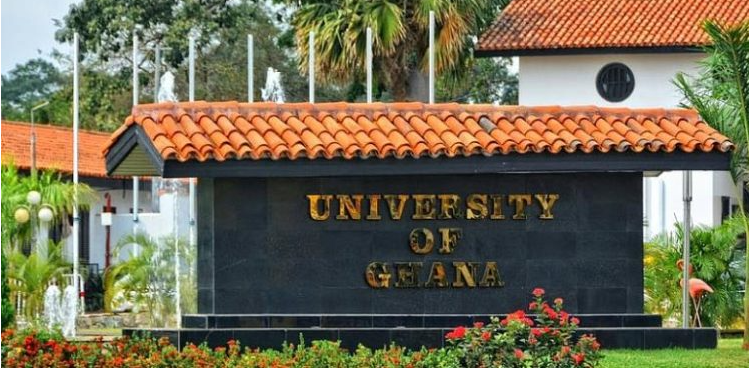
The Ghana Tertiary Education Commission (GTEC) has ordered the University of Ghana to roll back a 25 percent fee increase and other newly introduced charges, warning that failure to comply will attract “serious regulatory sanctions.”
In a letter dated January 5, 2026, and addressed to the Vice-Chancellor at Legon, GTEC said the university implemented the increases despite an earlier directive issued on November 3, 2025 that publicly funded tertiary institutions must not apply fee hikes for the 2025/2026 academic year without prior approval.
“Notwithstanding this directive, the Commission has been made aware that the University of Ghana has increased fees by 25% and, in certain instances, introduced new fees without prior approval from the relevant authorities as required by law,” the regulator said.
GTEC set out a list of corrective steps it expects the university to take immediately:
• Reverse any fee increases and/or newly introduced dues.
• Credit all continuing students who have overpaid compared with last academic year’s fees for the next academic year.
• Refund the difference to final-year students who have paid in excess of the fees for last academic year.
• Revert all dues, including Student Representative Council (SRC) and GRASSAG (Graduate Students Association) charges, to last academic year’s rates.
• Suspend any new fees, such as charges linked to the university’s 75th anniversary or a development levy, unless they were already in place.
GTEC has given the University of Ghana until January 12, 2026 to provide evidence of compliance. The commission said failure to meet the deadline “will result in the Commission instituting SERIOUS REGULATORY SANCTIONS against the University of Ghana.”
The letter also notes that the Deputy Minister for Education, Dr Clement Apaak, will act as the liaison between the Ministry and the university on the matter.
Public universities across Ghana have faced growing pressure on finances in recent years, prompting managements to seek additional revenue through levies and fee adjustments. GTEC’s November directive aimed to halt unilateral fee hikes while broader consultations and approvals are completed.
The University of Ghana did not immediately respond to a request for comment. Student groups and representatives of campus organisations have in past years resisted abrupt increases, arguing that sudden levies and higher fees worsen access challenges and place additional burdens on students and families.
GTEC’s intervention underscores the regulator’s oversight role and signals its readiness to enforce compliance with fee-setting protocols. The commission’s demand for refunds and credits, if implemented, could have significant budgetary implications for the university, which will need to reconcile the reversal of revenues already collected.