As Energy Transition Looms, West Africa Rethinks Its Mining Model
West and Central Africa’s mining sector is entering a decisive phase, shaped by pressure to modernise operations, attract responsible capital and deliver tangible economic benefits beyond mineral exports.
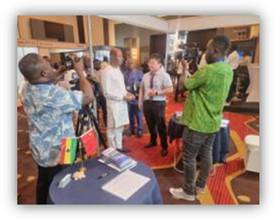
Against this backdrop, the confirmation of the 12th West & Central Africa Mining Summit & Expo (WaCA Mining 2026) for October in Accra reflects growing urgency around how the region manages its mineral wealth amid global energy transition demands and rising scrutiny of environmental and social performance.
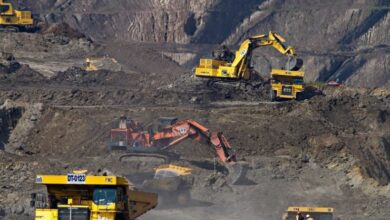
Governments across the region, including Ghana, are increasingly prioritising technology adoption, regulatory reform and value addition as mining shifts from a purely extractive model toward one focused on productivity, transparency and long-term impact. Digitalisation, automation and data-driven operations are being promoted as tools to improve safety, reduce losses and strengthen oversight, particularly in jurisdictions where weak monitoring has historically undermined revenue mobilisation.
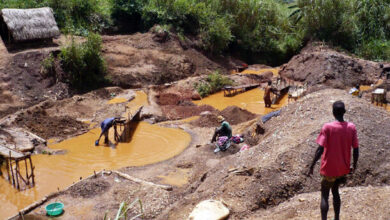
At the same time, regulatory reforms are reshaping the sector. Policymakers are tightening frameworks to support exploration, formalise artisanal and small-scale mining and strengthen local content rules, while also aligning national mining strategies with global demand for critical minerals used in renewable energy technologies. These changes are creating new opportunities but also raising compliance and financing challenges for operators.
Ghana’s positioning as host of WaCA Mining 2026 highlights its ambition to remain a regional mining hub at a time when competition for capital is intensifying. Policy measures aimed at improving governance, stimulating exploration and attracting international investors are being rolled out alongside efforts to deepen downstream beneficiation and local participation in mining value chains.
Beyond Ghana, neighbouring West and Central African countries are advancing new mining projects, transport corridors and cross-border partnerships that could reshape regional resource flows. However, infrastructure gaps, regulatory inconsistencies and ESG risks continue to weigh on investor confidence, underscoring the need for coordinated regional dialogue.
The WaCA Mining platform is expected to pool governments, mining executives, investors and technology providers to confront these structural issues, particularly how the sector can balance growth with sustainability and community impact. Organisers say the focus on technology, investment and impact reflects the evolving priorities of the industry, where access to capital is increasingly tied to governance standards, environmental stewardship and social outcomes.
As global demand for minerals accelerates, driven by energy transition and industrial expansion, the stakes for West and Central Africa are rising. How the region manages reform, investment and innovation in the coming years will determine whether mining becomes a catalyst for broad-based development or remains a source of missed opportunity.
In that context, WaCA Mining 2026 is less about another industry gathering and more about a sector at a crossroads, where policy choices and investment decisions made now will shape the future of mining in West and Central Africa.