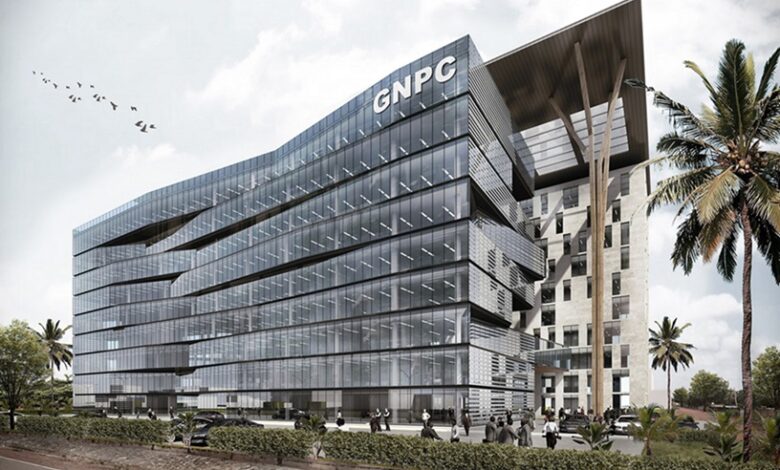
Ghana’s national oil company, GNPC has entered a research and technology partnership with Algeria’s Sonatrach as the West African nation seeks to arrest declining output and extract more value from maturing oilfields.
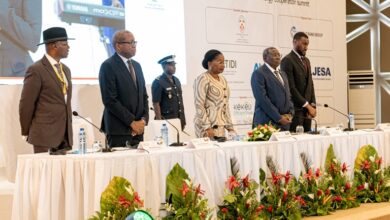
The memorandum of understanding, signed in Brazzaville under the auspices of the African Petroleum Producers Organization, provides a framework for joint research, technology transfer and operational cooperation between the two national oil companies.
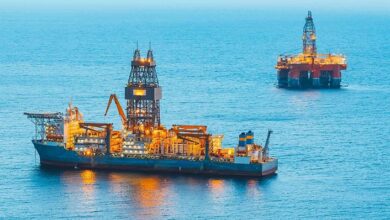
Ghana’s offshore production has come under pressure as flagship fields age, prompting policymakers to prioritise improved recovery, cost control and asset optimisation over frontier exploration. Access to advanced seismic imaging, artificial-intelligence-enabled subsurface analysis and enhanced oil recovery techniques could help GNPC lift output and extend the productive life of fields such as Jubilee.
GNPC’s equity stakes in Ghana’s main producing assets mean even modest efficiency gains translate into higher state revenues and improved foreign-exchange inflows. Analysts say incremental improvements in recovery rates can have an outsized impact on export earnings and fiscal receipts at a time when the government is seeking to stabilise public finances.
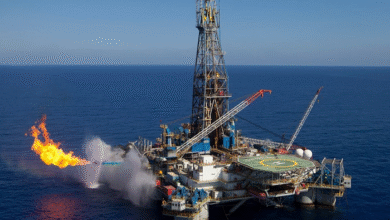
The partnership also supports Ghana’s push to expand gas production to meet domestic demand and reduce reliance on fuel imports. The country is advancing several gas projects, including plans for a second processing plant, as it seeks to monetise more than 2.1 trillion cubic feet of proven reserves. Better reservoir management and digital oilfield systems could help stabilise gas supply to power plants and industry.
Sonatrach brings experience from one of Africa’s largest hydrocarbon producers, backed by a five-year investment programme of up to $60 billion focused on exploration, production and downstream expansion. That technical depth could help GNPC lower development risks and reduce dependence on international service companies.
The agreement also reflects rising pressure on African producers to integrate environmental and emissions considerations into hydrocarbon development. Areas of cooperation include emissions reduction, water and waste management, hydrogen technologies and other low-carbon solutions, aligning Ghana’s upstream strategy with tightening global financing conditions.
The deal comes as Ghana prepares a new wave of upstream activity, with about 17 oil and gas projects planned through 2027, including a $2 billion expansion of the Jubilee field. Applying advanced monitoring and recovery technologies to those developments could improve project economics and support new investment.
For Ghana, the GNPC–Sonatrach accord signals a strategic shift toward maximising returns from existing resources a policy approach officials view as essential to sustaining energy revenues while the country gradually diversifies its energy mix.