National success rarely begins under bright lights. More often, it starts in ordinary spaces where ability is noticed early, nurtured patiently and allowed to take root. For many young Ghanaians each year, that first moment of recognition happens in a classroom or on a school field, long before public attention arrives.
This conviction that talent must be identified early continues to underpin the long-standing partnership between Nestlé Ghana and the Ghana Education Service, a collaboration that has once again come into focus as preparations gather pace for the 2026 President’s Independence Day Awards.
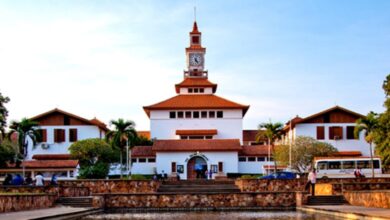
The awards programme goes beyond ceremonial recognition. Its deeper purpose is to single out exceptional academic performance at the basic school level and to send a clear message to young learners, including pupils with visual and hearing impairments, that discipline, effort and consistency are valued and rewarded.
Next year, 52 pupils drawn from all 16 regions will be honoured, cutting across public and private schools and recognising both boys and girls. In many cases, these are students whose abilities could easily be overlooked in large classrooms, yet whose examination results point to uncommon potential.
But the approach to youth development does not end with academics.
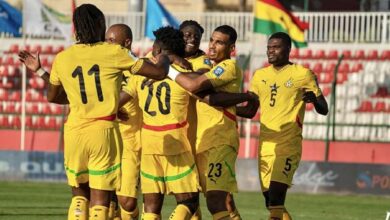
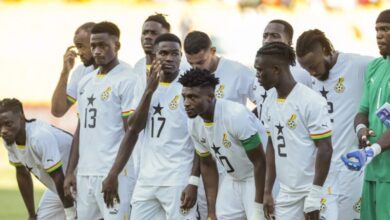
Nestlé Ghana has also invested steadily in sport, recognising that talent often reveals itself through action as much as through written work. Through platforms such as the MILO Under 13 football tournament, children across the country are introduced early to structured competition, teamwork and discipline, regardless of where they come from.
Nestlé Ghana’s Managing Director, Salomé Azevedo, has consistently framed this approach as an equal opportunity philosophy. Every child, she has said, deserves the chance to discover their strengths, whether in the classroom, on the pitch or in future leadership roles. With the right exposure and support, those early sparks can shape lifelong paths.
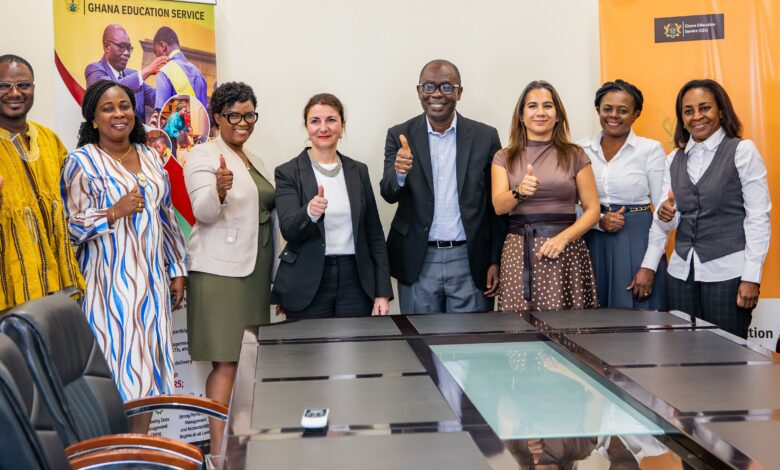
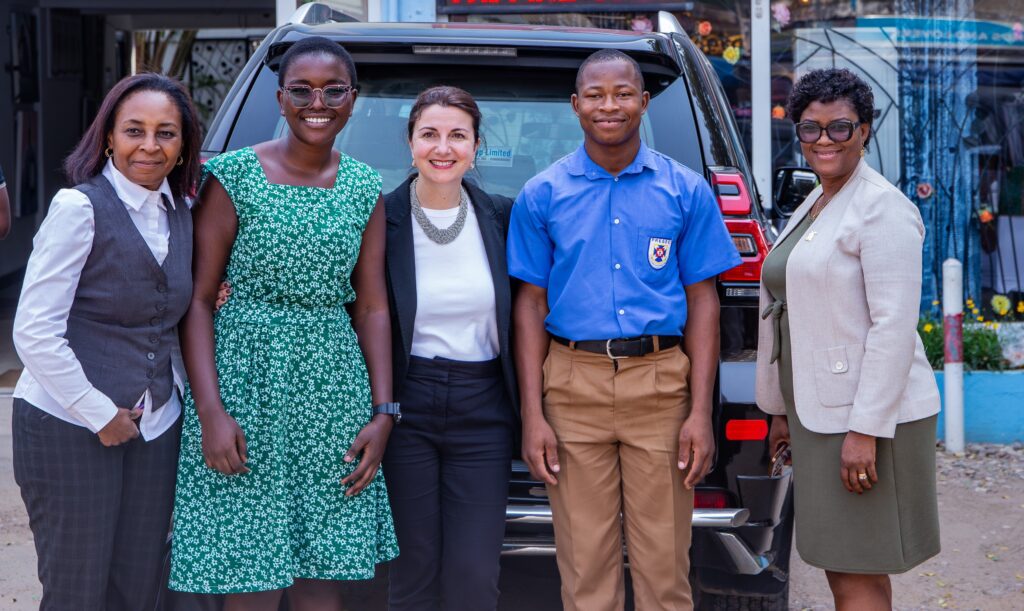
That perspective was echoed during a recent courtesy call on the Ghana Education Service by Cristina Macina, Nestlé’s Vice President of Communications for Asia, Oceania and Africa, as part of her familiarisation visit to Ghana. Her engagements with education officials and past award recipients highlighted how early recognition can influence confidence, ambition and long-term outlook.
The discussions also looked ahead. GES indicated its interest in broadening collaboration beyond awards and sports to include nutrition education and sustainability initiatives such as waste segregation in schools, practical skills that complement academic achievement and help shape responsible citizens.
For Professor Ernest Kofi Davis, Director-General of GES, partnerships of this nature are critical because talent flourishes best within supportive systems. Young people need encouragement, belief and long-term commitment from institutions prepared to invest well before success becomes visible.
As Ghana positions itself for the future, programmes that identify and nurture ability early, whether in education or sport, are demonstrating a simple truth. Talent is widespread, but progress depends on who notices it, who supports it and who gives it time to grow. In those early, often unseen moments, the foundations of the country’s future are being laid.