
UBA Leverages Literacy Investment to Advance SDG 4
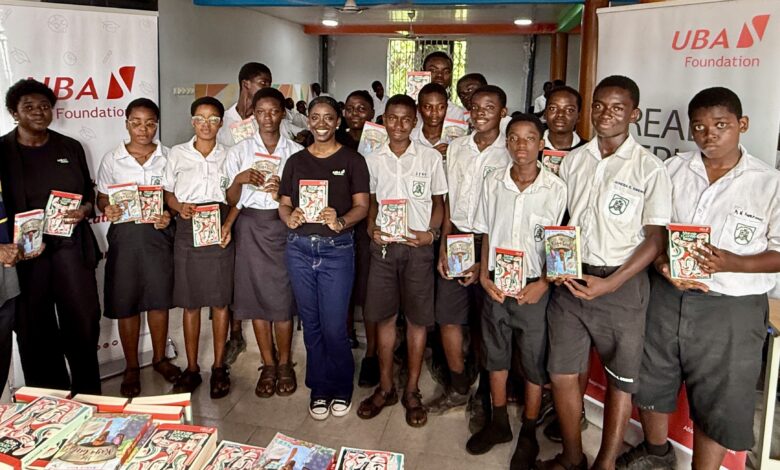
United Bank for Africa Ghana (UBA Ghana) has reinforced the link between education and long-term economic development by marking this year’s International Book Giving Day at Accra High Senior High School, using literacy promotion as a strategic contribution to Sustainable Development Goal 4 (Quality Education).
The initiative, organised under UBA’s flagship Read Africa programme, reflects the bank’s growing emphasis on education as a foundation for workforce readiness, innovation and inclusive growth across Africa.
International Book Giving Day, observed annually on February 14, encourages the donation of books to children and underserved communities, underscoring the role of reading in building knowledge economies and expanding access to learning opportunities.
Literacy as Human Capital Investment
As part of the engagement, UBA Ghana donated African literature titles to students and activated reading clinics designed to strengthen reading habits and critical thinking skills. The bank said the focus on African-authored books was deliberate, aimed at building cultural awareness while improving literacy outcomes.
By supporting access to quality reading materials, UBA Ghana aligns its intervention with SDG 4, which calls for inclusive, equitable education and lifelong learning. The bank views literacy not only as a social good but as a long-term investment in Ghana’s human capital — a critical input for productivity, entrepreneurship and competitiveness.
Education and the Future Workforce
Speaking at the event, Linda Segbefia, Corporate Communications Officer at UBA Ghana, said reading plays a central role in shaping both personal growth and professional development.
She noted that cultivating reading habits at the secondary school level equips students with analytical skills, creativity and discipline — attributes essential for success in higher education and the modern workplace.
UBA’s approach, she explained, reflects the bank’s belief that private sector participation in education is key to preparing young people for future economic opportunities.

School Welcomes Private Sector Support
Receiving the books on behalf of the school, Assistant Headmaster Mr. Aikins Kennedy Anaafi-Kwapong commended UBA Ghana for complementing public education efforts and assured that the materials would be fully integrated into the school’s academic activities.
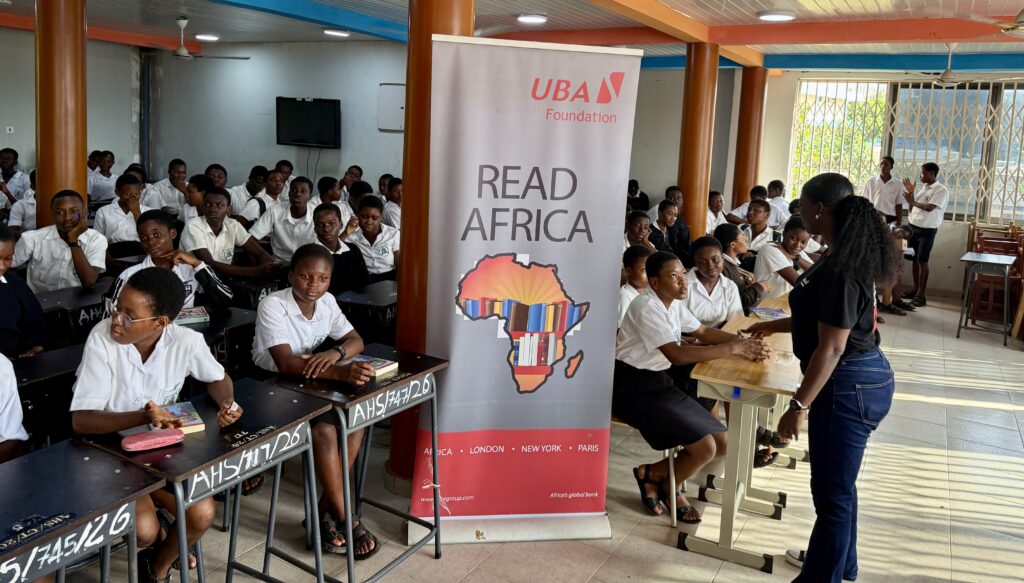
Students took part in guided reading sessions using titles such as Kaya Girl and Segu, reinforcing reading as both an educational tool and a source of inspiration.
Aligning Business Strategy with Sustainable Development
Through the Read Africa initiative, UBA continues to position education as a pillar of its sustainability strategy, linking literacy to empowerment, innovation and long-term development across the continent.
By anchoring its literacy interventions within the SDG 4 framework, UBA Ghana demonstrates how financial institutions can support national development priorities while investing in the future talent base needed to drive Africa’s growth.