Escalating Middle East Tensions Rattle Global Energy Markets
The Strait of Hormuz, a narrow but vital maritime corridor through which nearly one‑fifth of the world’s crude oil and liquefied natural gas flows, has become the focal point of rising geopolitical tensions in the Middle East. Recent coordinated airstrikes by the United States and Israel on Iran’s key military and government facilities, which included the killing of Supreme Leader Ayatollah Ali Khamenei, have intensified fears of a disruption to one of the world’s most critical energy chokepoints.
In response, Iran’s Revolutionary Guard Corps issued warnings that “no ship is allowed to pass” through the Strait, prompting major oil producers and trading houses to temporarily halt shipments and reroute tankers. While no formal blockade has been declared, radio alerts and military warnings have created uncertainty for commercial shipping, with the U.S. Navy establishing a maritime warning zone in the region.
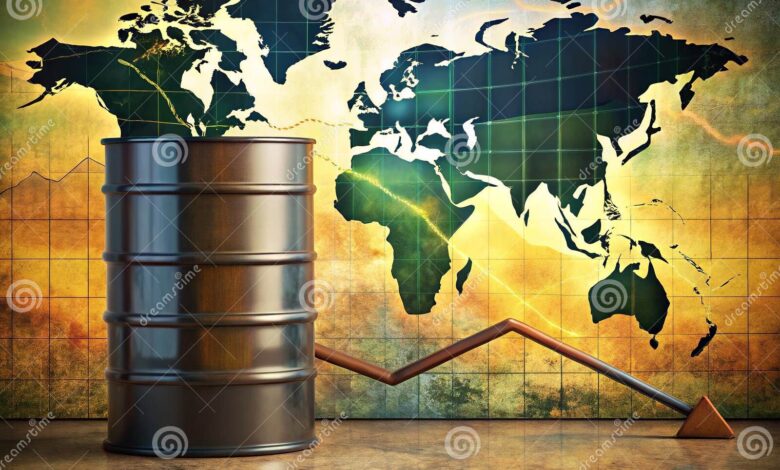
Analysts warn that even a partial disruption of transit through Hormuz could reverberate across global energy markets, pushing crude prices higher and raising freight and insurance costs for shipping. Some operators are already rerouting shipments and taking additional war-risk coverage, signaling heightened volatility in global supply chains.
For oil-importing regions, including African nations such as Ghana, the crisis presents serious economic challenges. Rising crude prices could translate into higher fuel costs, increased import bills, and inflationary pressures, while higher freight premiums and disrupted shipping routes threaten the cost of essential goods and complicate trade and monetary policy.
Energy experts are urging diversification of supply sources, expansion of strategic petroleum reserves, and accelerated investment in local energy infrastructure, including refineries and renewable energy, to reduce vulnerability to distant geopolitical shocks.
The Hormuz crisis underscores the urgent need for Ghana and other African economies to strengthen energy security, deepen regional cooperation, and implement structural reforms to mitigate the impact of global instability on domestic markets.