
Smarter Water Use Could Feed 10 Billion and Create Nearly 250 Million Jobs- World Bank
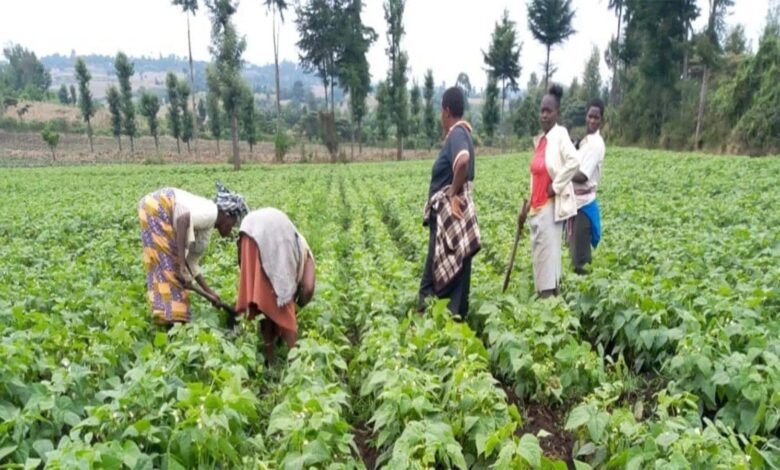
Rebalancing water use across the global food system could not only secure future food supplies but also generate up to 245 million long-term jobs, largely in Sub-Saharan Africa, according to a new report by the World Bank Group.
Titled Nourish and Flourish: Water Solutions to Feed 10 Billion People on a Livable Planet, the report warns that current agricultural water management—overuse in stressed regions and underuse in water-abundant areas—can only sustainably feed less than half the global population. With the world’s population projected to reach 10 billion by 2050, addressing these imbalances is essential.
The report introduces a new framework linking water availability with food production and trade. Countries are categorized based on water stress and their status as food importers or exporters. This approach identifies where expanding rainfed agriculture can increase output, where irrigation investments can boost jobs and growth, and where water must be rebalanced to protect ecosystems. Trade is also positioned as a tool to sustainably meet demand where local production is limited.
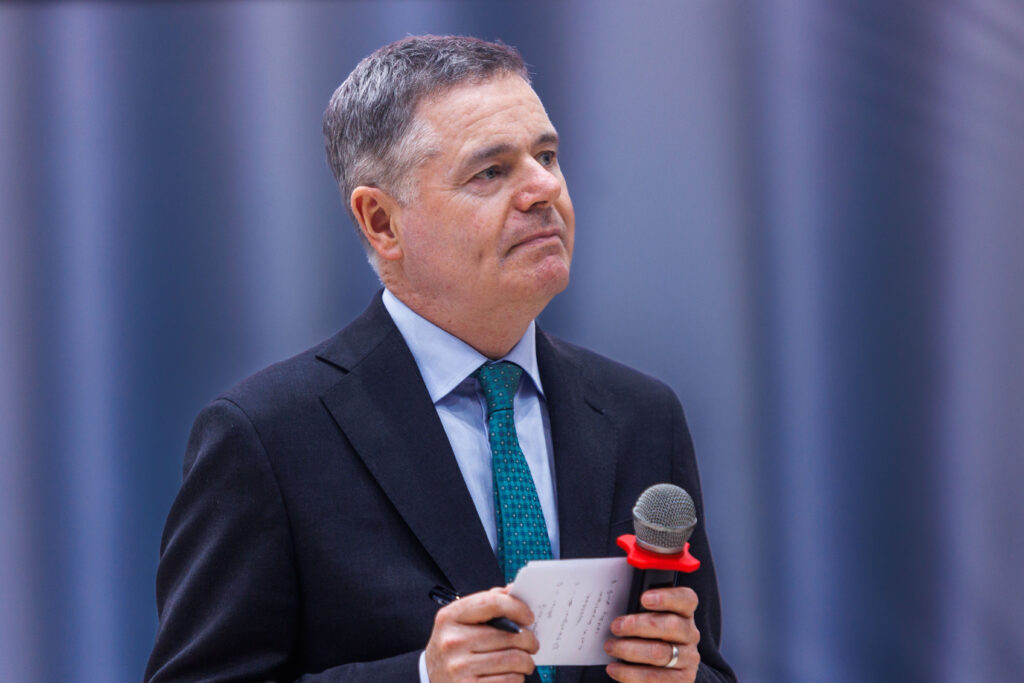
“The way we manage water for food will have profound implications for jobs, livelihoods, and economic growth,” said Managing Director and Chief Knowledge Officer of the World Bank Group, Paschal Donohoe. “By making smarter choices about where crops are grown, how water is allocated, and how trade supports food security, we can strengthen resilience, expand opportunity, and safeguard the resources which we all rely on.”
Achieving these outcomes will require stronger private sector participation alongside public investment, supported by effective policies, institutions, and regulations. Farmers, who are the primary users of irrigation, are already willing to co-invest when access to finance, quality equipment, markets, and digital tools reduces risk and transaction costs.
“When investments in infrastructure and natural resources, business-enabling policies, and private capital mobilization come together, the impact can be greater than the sum of its parts,” said Vice President for Planet at the World Bank Group, Guangzhe Chen. “By linking global evidence with country realities, this framework can help policymakers navigate trade-offs and adapt food production to today’s water and climate realities—delivering food, jobs, and resilience together.”
The report estimates that expanding and modernizing irrigation systems will require an additional $24–70 billion annually through 2050. While governments spend roughly $490 billion yearly on agricultural support, most of it goes to subsidies. Redirecting a portion of these funds, combined with regulatory reform, blended finance, and public-private partnerships, could mobilize private capital, including farmer co-investment, and strengthen food security sustainably.
To accelerate these efforts, the World Bank Group is scaling up its AgriConnect initiative, which aims to double annual agribusiness financing to $9 billion by 2030 and mobilize an additional $5 billion per year to help smallholders move from subsistence to surplus. These efforts are complemented by the Water Strategy Implementation Plan, particularly the Water for Food and Water for the Planet pillars, which aim to strengthen food production systems, improve farmer livelihoods, and safeguard natural resources.
The report underscores that water is no longer only an environmental concern—it is a critical economic variable shaping food production, job creation, trade, and investment patterns globally.