Unitaid Invests US$52.5m to Expand Lifesaving Care for Pregnant Women in Africa
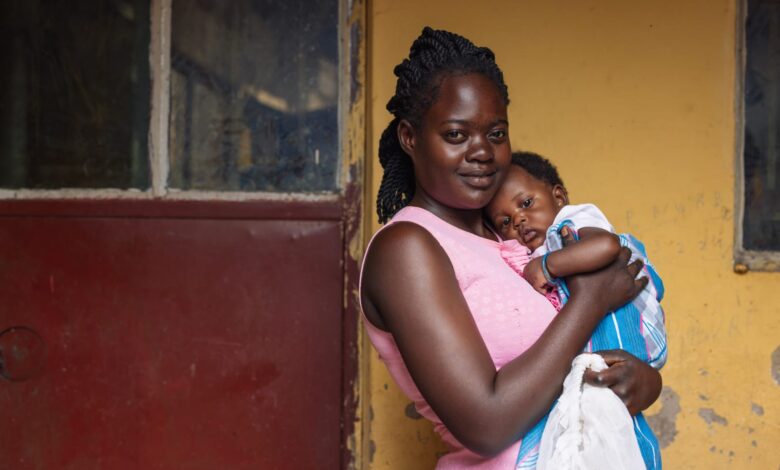
A major global health initiative is being rolled out to curb preventable maternal deaths, with Unitaid committing $52.5 million to expand access to essential pregnancy treatments across Africa and other low- and middle-income countries.
The programme will focus on scaling up proven, low-cost interventions that remain inaccessible to many women despite their effectiveness. Among them is magnesium sulfate, a widely recognised treatment that can reduce the risk of life-threatening seizures in women with severe preeclampsia by more than half. However, persistent challenges including weak supply chains, substandard medicines, delayed diagnosis and limited clinical training continue to hinder its widespread use.
Preeclampsia, characterised by dangerously high blood pressure remains a leading cause of maternal and newborn deaths globally, claiming tens of thousands of women and about half a million newborns each year. Alongside this, anemia affects nearly 40 percent of pregnant women worldwide, increasing the risk of complications such as hemorrhage, preterm birth and low birth weight.
The new initiative, known as SUPREME (Sustained Uptake of Products for Pre-Eclampsia and Maternal Anemia), aims to bridge these gaps by improving access to over ten critical interventions. These include preventive measures such as low-dose aspirin, blood pressure monitoring devices, anemia diagnostics and treatments like intravenous iron.
“It is unacceptable that women are still dying from pregnancy complications we know how to treat,” said , Executive Director of Unitaid, Philippe Duneton, stressing that the challenge lies not in the absence of solutions but in weak health systems that fail to deliver them effectively.
The programme will be implemented in partnership with Amref Health Africa and Clinton Health Access Initiative, both of which bring extensive experience in health systems strengthening, product development and supply chain management.
According to Marie Chantale Lepine, the real challenge is ensuring availability at the point of care. “Turning investment into lives saved depends on what’s actually on the shelf when a woman walks through the door,” she said.
“Getting the right product to the right woman at the right time is harder than it sounds – and that’s exactly the problem SUPREME is designed to solve,” said Vice President of the Global Markets Team, CHAI, Marie Chantale Lepine,
“CHAI is working with partners to ensure that high-quality diagnostics and treatments for preeclampsia and anemia are developed, affordable, and made available equitably. Because turning investment into lives saved depends on what’s actually on the shelf when a woman walks through the door,” Marie added.
Group CEO of Amref Health Africa, Dr. Githinji Gitahi noted that, “too many women in Africa are still dying from pregnancy complications we already know how to prevent and treat,”
“The medicines and diagnostics exist, but the real challenge is ensuring they reach women at the right time and in the right place. Through the SUPREME initiative, we will work with African governments, health workers and communities to embed these innovations into strong antenatal care systems that serve and protect women, no matter where they live.”
The initiative will focus on strengthening antenatal care systems in Ghana, Kenya, Malawi, Senegal and Tanzania, with additional activities in Nigeria and South Africa. Governments will work alongside implementing partners to ensure that medicines and diagnostics are not only available but also affordable and effectively integrated into routine care.
Beyond product delivery, the programme will also generate data to guide policy decisions and scale-up efforts, while addressing systemic barriers across supply chains.
The investment builds on Unitaid’s broader maternal health portfolio, which includes efforts to combat postpartum hemorrhage and eliminate mother-to-child transmission of infectious diseases.
With maternal health outcomes still lagging in many parts of the world, the initiative signals a renewed push to translate existing medical solutions into real-world impact, ensuring that cost-effective, lifesaving treatments reach the women who need them most.