Water Inequality Deepens Gender Gap as NGO Calls for Urgent Action
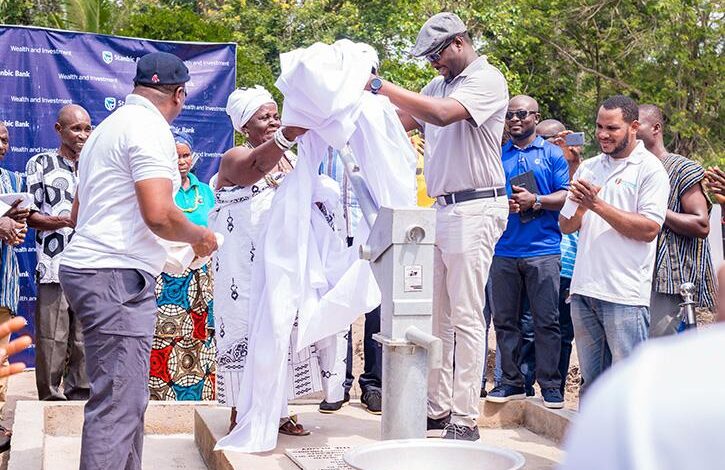
Access to safe water in rural Ghana remains a major barrier to gender equality, with women and girls bearing the brunt of the country’s widening water access gap.
This is the warning from Meaningful Life International (MLI) as the world marks World Water Day 2026 under the theme “Water and Gender.” The organisation is urging government, corporate institutions, and development partners to scale up investment in rural water infrastructure.
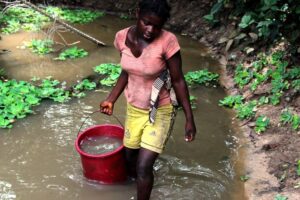
According to MLI, limited access to clean water continues to impose a heavy social and economic burden, particularly on women and girls who spend hours daily walking long distances to fetch water—often from unsafe or polluted sources.
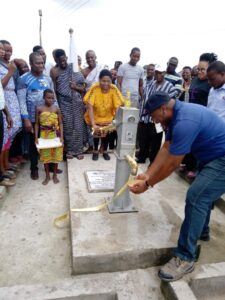
Executive Director of MLI, Dr. Kofi Ahlijah, said the situation goes beyond public health and reflects deeper structural inequalities.
“When a community gains access to clean water, women regain time, girls return to school, and families thrive. Water is dignity, and dignity must be equal,” he stated.
Rural Gap Persists
Despite improvements in urban water access, disparities between urban and rural communities remain stark. In many underserved areas, households rely on water sources shared with animals or contaminated by activities such as illegal mining, raising the risk of waterborne diseases.
MLI noted that this daily struggle limits educational opportunities for girls and reduces women’s participation in income-generating activities, reinforcing cycles of poverty.
Two Decades of Intervention
Since its establishment in 2006, MLI has implemented water access projects across rural Ghana, drilling over 80 boreholes in more than 90 communities and improving access to potable water for thousands of households.
The organisation said its model goes beyond infrastructure, incorporating hygiene education and community-led water management systems to ensure sustainability and accountability.
Push for Partnerships
As part of renewed efforts aligned with the global water agenda, MLI is calling for stronger collaboration with corporate organisations, development partners, faith-based institutions, and the media to support a new 100-borehole initiative.
The programme aims to expand access to clean water while addressing gender disparities and promoting community empowerment.
“No Ghanaian should drink from a pit. This is not just a vision—it is achievable if we act collectively,” Dr. Ahlijah stressed.
Development Imperative
MLI emphasised that improving water access is critical to achieving Sustainable Development Goal 6, noting that progress in the sector is closely linked to broader outcomes in health, education, and economic development.
The organisation maintained that sustained investment in water infrastructure is not only a social necessity but a strategic development priority, particularly in bridging gender inequality and improving livelihoods in rural Ghana.