
98% of Births in Ghanaian Health Centres Lack Basic Sanitation-WaterAid
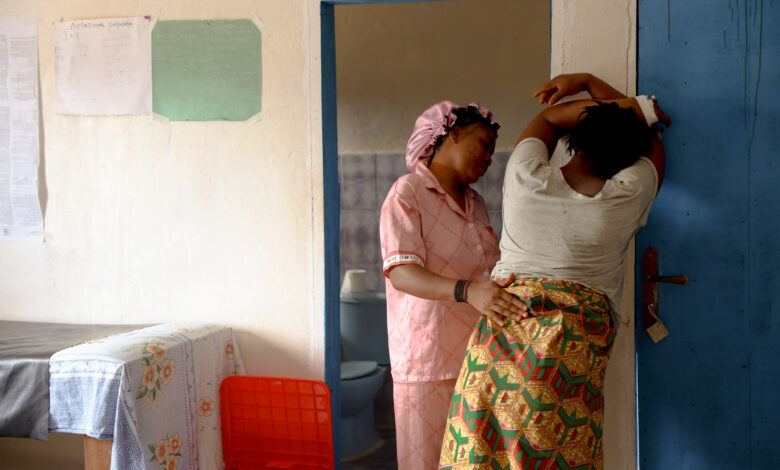
Delivering in a health facility is widely recognized as the safest option for mothers. Yet new research from WaterAid reveals a startling reality: In nearly all births in Ghanaian health centres, 98% take place without basic sanitation, exposing mothers and newborns to preventable health risks at one of life’s most critical moments.
Across the country, women continue to give birth in facilities where clean water, proper toilets, and handwashing systems are either inadequate or completely absent. These are not isolated shortcomings; they point to systemic deficiencies in Ghana’s healthcare infrastructure.
Critical Gaps Threaten Maternal and Newborn Health
WaterAid’s study highlights alarming sanitation gaps in health centres:
- 33% of births occur without basic water services
- 43% of facilities lack handwashing stations
- 59% have no proper environmental cleaning systems
- 69% do not safely manage medical waste
While Ghana has made progress in encouraging facility-based deliveries, the supporting infrastructure has not kept pace. The absence of basic hygiene facilities leaves mothers and babies highly vulnerable to infections, particularly maternal sepsis—a life-threatening condition that can occur during or after childbirth. Across sub-Saharan Africa, an estimated 36 women die every day from maternal sepsis, often triggered by preventable causes such as unclean hands, contaminated equipment, or unsafe delivery environments.
Systemic Pressures Strain Healthcare Delivery
The sanitation deficit reflects broader challenges in Ghana’s healthcare system. Increased demand for maternal services has not been matched by investment in water, sanitation, and hygiene (WASH) infrastructure. Many facilities are overstretched, operating without the basic systems needed to provide safe and hygienic care. This creates a disconnect: access to healthcare has improved, but quality and safety remain uneven.
Affordable Solutions Could Save Lives
Despite the scale of the problem, solutions are clear and low-cost. WaterAid notes that providing clean water, proper sanitation, and handwashing facilities in health centres could reduce maternal and newborn deaths by at least 50%, at a cost of less than $1 per person. Life-saving improvements often depend not on complex interventions but on consistent investment in basic services.
From Commitment to Implementation
Ghana has made policy commitments to improve WASH in healthcare facilities, but progress has been slow. The 98% statistic reflects not just data, but the lived experiences of Ghanaian mothers and healthcare workers, where access to clean water can determine life or death. Ensuring every facility meets minimum sanitation standards is critical not only to save lives but to restore public confidence in the healthcare system.
Looking Ahead
Addressing sanitation gaps is more than a health priority; it is a fundamental step toward equitable, safe, and resilient maternal healthcare in Ghana. As more women seek facility-based deliveries, the urgency of equipping health centres with essential hygiene services has never been greater.