Six-Year Oil Production Decline Deepens Revenue Pressures, Exposes Accountability Gaps — PIAC
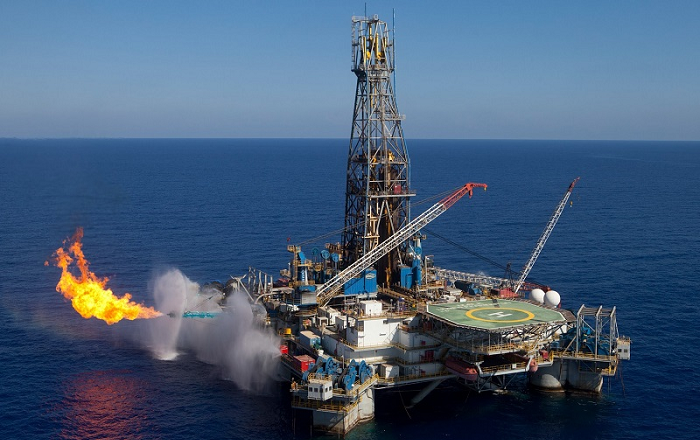
Ghana’s oil sector is under growing strain as production declines for the sixth consecutive year, intensifying pressure on revenues and exposing weaknesses in governance and compliance.
The 2025 Annual Report by the Public Interest and Accountability Committee shows that crude oil output has been on a steady downward trend from 2019 to 2025, reinforcing concerns that the country’s major oil fields may have peaked.
Sustained Production Decline
According to the report, production fell from 71.44 million barrels in 2019 to 37.3 million barrels in 2025, representing a compounded annual decline of about 9 percent over the six-year period.
The persistent drop highlights structural challenges in Ghana’s upstream petroleum sector, including maturing fields and underperforming assets such as the TEN field, which continues to lag expectations.
Revenue Hit as Output Falls
The decline in production, coupled with softer oil prices, has significantly reduced government earnings from petroleum.
Total receipts into the Petroleum Holding Fund dropped to US$770.3 million in 2025, down 43.27 percent from US$1.36 billion in 2024. The sharp fall underscores the sector’s vulnerability to both operational performance and global price movements.
Corporate Income Tax remained the largest contributor, generating US$346.8 million, with key payments from ENI Ghana, Vitol Upstream and Tullow Ghana.
Major Accountability Concerns
Beyond production and revenue trends, the report raises serious accountability issues within the sector.
It highlights that Explorco, a subsidiary of the Ghana National Petroleum Corporation, failed to account for US$561.6 million in petroleum revenues due to the state between 2022 and 2024.
The committee is calling for urgent action to ensure the funds are recovered and properly lodged into the Petroleum Holding Fund.
Compliance Gaps in Revenue Distribution
The report also points to non-compliance in the allocation of petroleum revenues. Only US$1.87 million representing 0.43 percent of the Annual Budget Funding Amount was transferred to the District Assemblies Common Fund.
This is significantly below the mandated 5 percent allocation, which should have amounted to US$21.67 million, raising concerns about adherence to statutory requirements.
Investment Performance Mixed
On the investment side, the report notes that a US$30 million investment by the Ghana Infrastructure Investment Fund in the Accra International Airport generated US$17.9 million in returns between 2017 and 2025.
While this indicates some level of value creation, it also highlights the need for more strategic deployment of petroleum revenues to deliver broader economic impact.
Urgent Call for Reforms
To address the sector’s challenges, PIAC is urging government to implement targeted reforms, including improving investment frameworks to revive output in existing fields, particularly TEN.
It also recommends strengthening regulatory oversight, enhancing data acquisition in new basins, and ensuring strict compliance with revenue allocation rules.
The committee further insists that GNPC and Explorco must fully account for outstanding revenues and deposit them into the Petroleum Holding Fund without delay.
Outlook
The findings signal a critical turning point for Ghana’s oil industry. With production declining steadily over six years, the need to revitalise the sector while tightening accountability has become more urgent.
How effectively these challenges are addressed will determine whether petroleum remains a reliable pillar of Ghana’s public finances or becomes an increasingly volatile revenue source.