
Fuel Tax Cuts, Cheaper Transport: Gov’t Rolls Out Emergency Relief Measures
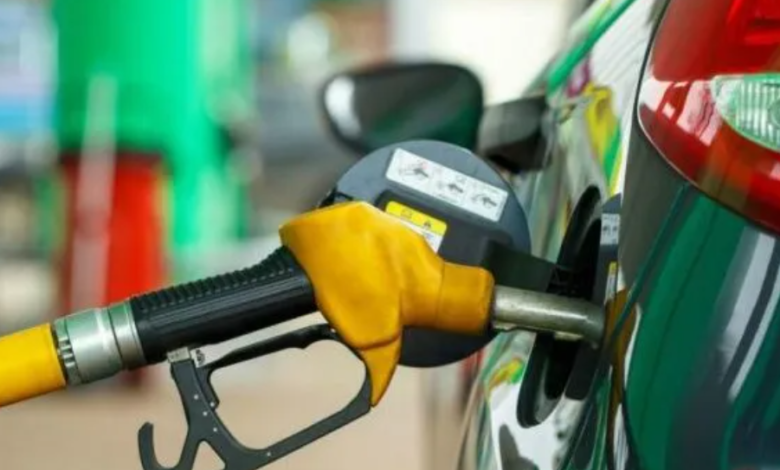
Rising fuel costs and transport fares are set for immediate relief as government rolls out a set of emergency interventions aimed at easing pressure on households and businesses.
Cabinet has directed the Ministers for Finance and Energy to remove selected taxes and margins on petroleum products, a move expected to reduce pump prices starting from the next pricing window in about a week.
The tax cuts will be implemented for an initial four-week period, during which authorities are expected to assess their impact on fuel prices and the broader cost of living.
Fuel Price Relief Measures
The decision signals a direct intervention to cushion consumers from high fuel costs, which have in recent months driven up transportation expenses and contributed to rising prices of goods and services.
By cutting specific taxes and margins, government aims to lower pump prices and provide immediate financial relief, particularly for transport operators and businesses heavily dependent on fuel.
Public Transport to Offer Lower Fares
To reinforce the impact of the fuel price reduction, Cabinet has also instructed the Minister for Transport to fast-track the deployment of 100 newly acquired buses under the Metro Mass Bus Company.
The buses will operate along high-traffic routes and are expected to charge lower fares than private transport operators, offering commuters a more affordable alternative.
This intervention is designed to moderate transport fares and reduce the burden on urban commuters.
Government Tightens Its Own Spending
As part of the broader response, President John Dramani Mahama has reaffirmed a ban on fuel allowances for all ministers and senior government officials.
The move is intended to demonstrate fiscal discipline and ensure that government leads by example in managing fuel-related costs.
Short-Term Intervention Under Review
The package of measures—fuel tax cuts, subsidised public transport, and spending controls—will be reviewed after the initial four-week period.
The review will determine whether the interventions should be extended or adjusted based on prevailing economic conditions and their effectiveness in reducing cost pressures.
For now, the combined measures are expected to provide some breathing space for households and businesses, even as government balances the need for relief with broader fiscal considerations.