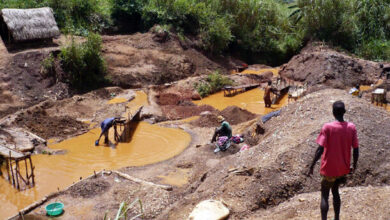
Northern Ghana’s Gold Fields Face Rising Extremist Interest – GI-TOC Report Warns
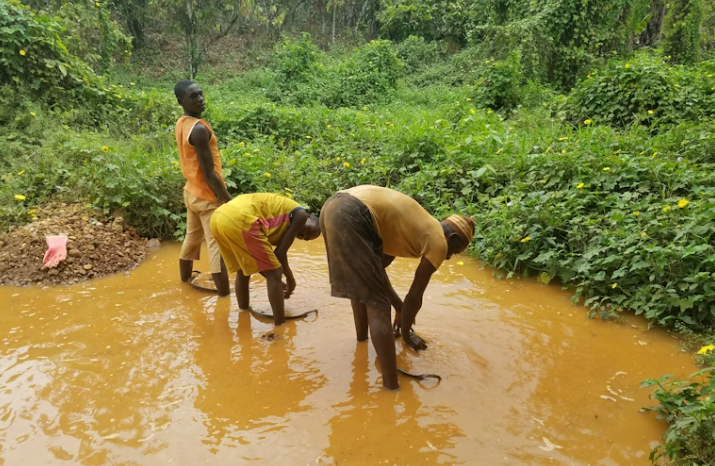
Northern Ghana’s artisanal gold sector is becoming increasingly exposed to the influence of violent extremist networks spreading from the Sahel. This warning is contained in a new report titled “Violent Extremist Threats to Northern Ghana’s Gold Sector”, authored by Marcena Hunter and Gideon Ofosu-Peasah of the Global Initiative Against Transnational Organized Crime (GI-TOC).
The study shows how illicit gold flows, weak border controls and unregulated mining activities in northern Ghana are creating openings that extremist groups have exploited elsewhere in the region.
Violent Extremism and Resource Exploitation in the Sahel
The report notes that extremist groups in Burkina Faso and Mali derive significant revenue from artisanal mining by taxing miners, controlling mining sites and influencing smuggling routes. These activities form part of broader financing strategies that have strengthened groups like Jama’at Nasr al-Islam wal Muslimin (JNIM).
Hunter and Ofosu-Peasah warn that similar patterns could emerge in Ghana if illegal mining areas remain poorly regulated. Although Ghana has not experienced direct attacks, the proximity to conflict zones and the steady expansion of extremist networks further south increase the risks.
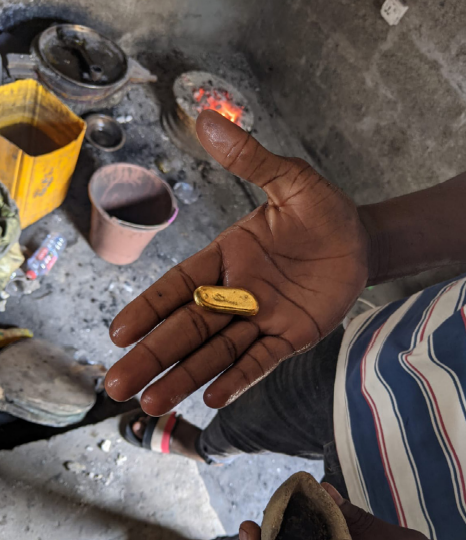
Security Risks to Northern Ghana’s Gold Sector
Illegal small-scale mining sites across the Upper East, North East, Savannah and Upper West Regions are cited as particularly vulnerable. These locations have limited formal oversight, allowing illegal operators, gold buyers and smugglers to operate with ease.
The report highlights frequent cross-border gold movements from areas such as Bole, Wa, Jirapa and Bolgatanga into Burkina Faso through unapproved routes. Traders and community members interviewed observed unfamiliar groups engaging in gold buying and transportation activities, signalling the presence of unregulated networks that could be exploited by extremist actors.
The authors state that extremist groups often rely on indirect influence, such as controlling supply routes, collaborating with smugglers or inserting themselves into informal trade networks, rather than seizing mining sites outright. This form of influence is harder to detect but just as damaging.
Implementation Challenges and Gaps
The report identifies several factors that weaken Ghana’s ability to safeguard its northern gold sector:
- Limited regulation and monitoring of artisanal and small-scale mining
- Porous borders that facilitate smuggling
- High unemployment in mining communities
- Weak community policing structures
- Inadequate resources for district and regional authorities
Hunter and Ofosu-Peasah caution that relying solely on security operations may not deliver lasting results. In other West African countries, mining crackdowns have sometimes pushed miners into the hands of criminal networks or encouraged cross-border smuggling.
The authors recommend a combined approach that strengthens governance, supports legal mining structures, and improves economic opportunities in mining communities.
The GI-TOC report concludes that Ghana’s stability gives the country a critical window to act before extremist networks gain deeper influence. Securing the gold sector, improving border surveillance and formalising small-scale mining are identified as priority actions.
Hunter and Ofosu-Peasah stress that early interventions particularly those that build trust with communities will be vital in preventing northern Ghana from becoming a new frontier for extremist financing and influence.