AfDB Injects $159.5m to Open Up DRC’s Heartland and Boost Agro-Industrial Growth
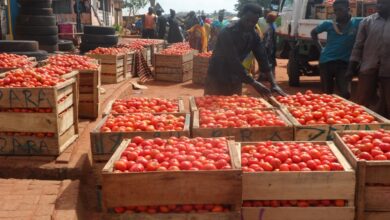
The African Development Bank has approved a $159.5 million loan to the Democratic Republic of Congo to improve road and air connectivity to the Ngandajika Agro-Industrial Park, a fast-growing agricultural hub in the country’s central region.
With a total project cost of $177.16 million, co-financed by the DRC government, the initiative aims to better integrate the park into the country’s major economic corridors and unlock the region’s production potential.
Upgrading Roads, Expanding Trade
The project will rehabilitate key routes—including the Nkuadi–Ngandajika–PAIN and Lukalaba–Ngandajika roads—while upgrading critical links to National Roads 1 and 2. It will also extend the Mbuji-Mayi airport runway, enabling the growth of agro-industrial air freight and improving access for traders and exporters.
According to Léandre Bassolé, AfDB’s Director General for Central Africa, the investment “goes beyond upgrading a road,” describing it as a step toward strengthening value chains, expanding trade corridors and creating jobs, particularly for women and young people who dominate agricultural activity in the region.
Lower Costs, Bigger Markets
Farmers, transporters and agro-industrial operators in Lomami province, surrounding areas of the park, and Kasaï Oriental stand to benefit directly. Improved infrastructure is expected to:
-
Reduce logistics and transportation costs
-
Improve market access for crops and processed goods
-
Allow producers to integrate more effectively into regional value chains
Project task manager Johnny Makwela said the initiative removes one of the biggest barriers limiting the park’s competitiveness, the lack of reliable transport for moving inputs and finished products.
Boosting Food Security and Regional Trade
The project supports the African Development Bank’s Agricultural Transformation Programme and works in synergy with the Ngandajika Special Agro-Industrial Processing Zone (PRODAN). It also aligns with the goals of the African Continental Free Trade Area (AfCFTA) by enhancing regional connectivity and opening new pathways for trade.
Ultimately, the project is expected to strengthen agricultural value chains, support food security, and make locally produced goods more competitive—advancing the AfDB’s 2023–2028 Country Strategy for the DRC while giving farmers and businesses in central Congo a much-needed boost.