Ewoyaa Lithium Deal Ratified; Friends of the Nation Demands Community-Centred Implementation
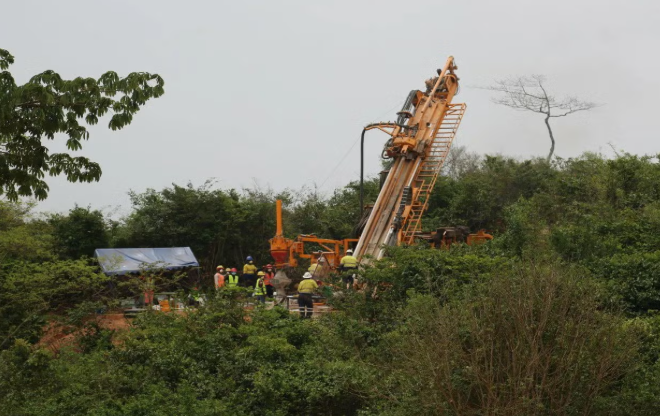
The ratification of the Ewoyaa Lithium Mining Lease Agreement by Parliament has triggered fresh concerns over how the project will be executed, with Friends of the Nation (FoN) calling for a cautious, community-focused implementation.
In a press statement issued in Sekondi, the organisation acknowledged the significance of the agreement between the Government of Ghana and Barari DV Ghana Ltd., a subsidiary of Atlantic Lithium Limited, describing it as a major step in positioning Ghana within the global lithium value chain and the broader clean energy transition.
However, FoN stressed that while the project offers prospects such as job creation, local economic stimulation and infrastructure development, it also presents significant risks that must be carefully managed.
Key among the concerns are the potential loss of farmlands, lack of alternative agricultural land for affected families and their descendants, and threats to water resources in areas around Mankessim that already experience seasonal shortages. The group also pointed to possible environmental degradation and the disruption of traditional livelihoods for more than 1,500 project-affected persons.
“Development must not come at the expense of community rights, environmental sustainability, and long-term wellbeing,” the statement emphasised.
FoN noted that the nearly three-year delay in ratifying the agreement reflected the importance of due diligence and stakeholder engagement, cautioning that the move into implementation should not lead to rushed decisions.
It urged both the company and relevant state institutions to prioritise transparency and fairness, particularly in handling compensation, resettlement and environmental management processes. According to the organisation, these must be carried out in a manner that respects the rights, freedoms and dignity of affected communities who depend on the land for their livelihoods.
FoN reaffirmed its commitment to supporting communities with information and advocacy tools to enable informed participation and accountability throughout the project’s lifecycle.
“The ratification marks a critical moment. Its implementation must reflect not only national interest but also the voices, rights, and aspirations of the people most directly affected,” the statement concluded.