GACL Refutes ‘False’ Claims on Terminal 2, Defends Repurposing Plan
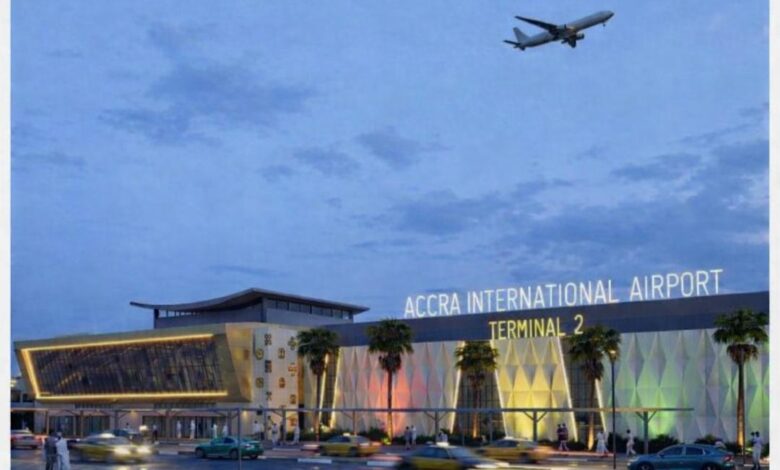
Ghana Airports Company Limited (GACL) has rejected claims that Terminal 2 at Kotoka International Airport is obsolete, pushing back against arguments in a recent opinion article that questioned the rationale behind ongoing works on the facility.
The company said suggestions that the construction of Terminal 3 was based on Terminal 2 being outdated are “false, misleading, and misconceived,” insisting that its decisions were guided by operational and financial considerations rather than any plan to abandon the terminal.
Clarification on Terminal 2 Development
According to GACL, a 2013 terminal planning study informed the decision to defer major renovation works on Terminal 2 and proceed with the construction of Terminal 3.
At the time, Terminal 2 was the sole terminal handling international traffic. Undertaking extensive reconstruction works would have disrupted operations, undermined passenger experience and risked revenue losses.
The company said these risks, not obsolescence, drove the decision to build a new terminal.
Strategic Planning and Terminal Connectivity
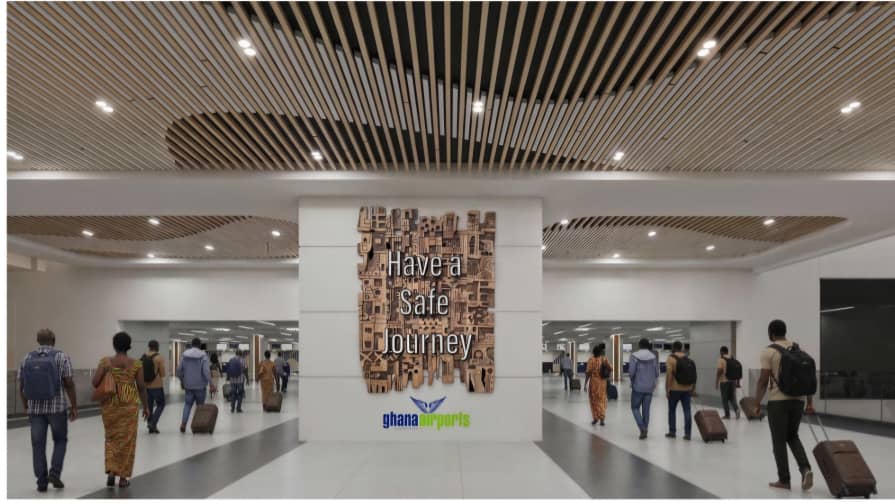
The same study recommended linking Terminals 2 and 3 through a connecting concourse, forming part of a broader long-term expansion plan.
This approach was reinforced by the National Airport Systems Plan prepared by Dorsch in 2014, commissioned by the Transport Ministry with World Bank support. The report anticipated that Terminal 2 would be refurbished and integrated with Terminal 3.
GACL said it would be inconsistent for such a plan to propose integration with a terminal considered obsolete.
Existing Investments in Terminal 2
The company pointed to a series of upgrades to demonstrate Terminal 2’s continued relevance.
Parts of the arrivals hall were remodeled in 2013, while an extension now accommodates GACL and several state agencies, including the Ghana Immigration Service, National Security, the Narcotics Control Commission and the Bureau of National Intelligence.
Understanding “Repurposing”
Following the commissioning of Terminal 3, international operations were moved there, with domestic flights relocated from Terminal 1 to Terminal 2.
GACL said it has now, with ministerial approval, begun repurposing Terminal 2 into a dual-use facility serving both domestic and international passengers.
The company rejected claims that the exercise is a rebranding of refurbishment, describing it instead as a shift in operational use to reflect evolving demand.
Economic Considerations
GACL said concerns about the impact on Terminal 3’s returns are misplaced.
International passenger traffic generates higher revenue than domestic operations, and expanding international capacity through Terminal 2 is expected to complement Terminal 3 while supporting Ghana’s ambition to position Accra as a regional aviation hub.
Legal and Governance Compliance
The company also dismissed concerns about potential breaches of procurement and financial management laws.
It said all processes relating to Terminal 2 since 2013 have complied with the Public Financial Management Act and the Public Procurement Act, with due process followed at every stage.
Security and Infrastructure Enhancements
GACL said Terminal 2 is already equipped with core aviation systems, including CCTV surveillance, baggage handling and biometric processing.
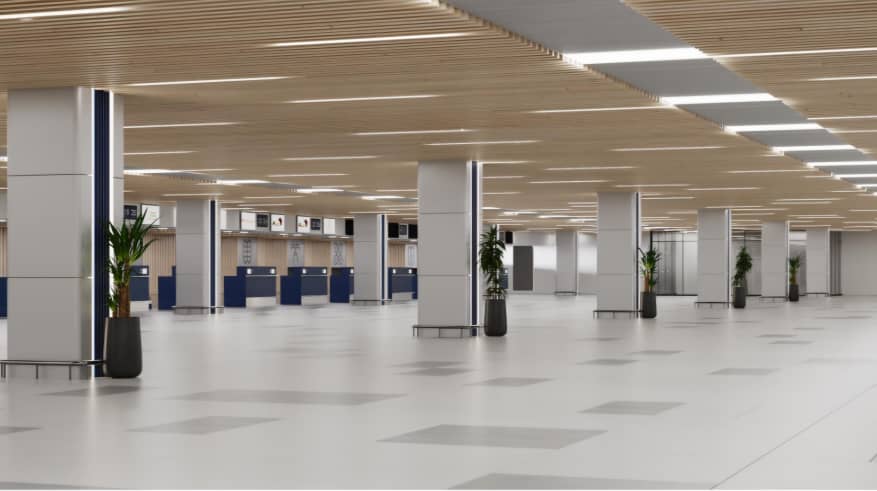
Ongoing works will introduce 3D screening scanners and enhanced passenger processing systems aimed at improving efficiency and aligning the terminal with international standards.
Transparency and Public Accountability
The company said it remains open to public scrutiny and will respond to requests for information in line with the Right to Information Act.
GACL said the repurposing of Terminal 2 is intended to maximise existing infrastructure, support rising passenger volumes and avoid the cost and disruption associated with building a new terminal while existing loans are still being serviced.
The company said it remains focused on delivering an efficient and competitive airport system aligned with Ghana’s long-term aviation strategy.