WHO Warns of Rising HIV Infections as Funding Declines, Urges Countries to Reinforce AIDS Response
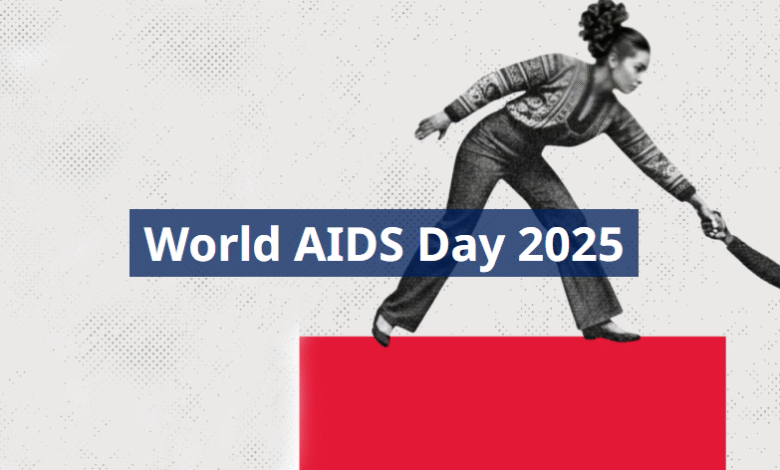
The World Health Organization (WHO) has issued a stark warning that the global fight against HIV is entering a dangerous new phase, with rising infections, shrinking funding and widening service gaps threatening decades of progress. The call comes as the world marks World AIDS Day 2025, celebrated this year under the theme “Overcoming disruption, transforming the AIDS response.”
WHO estimates that 40.8 million people are living with HIV worldwide. In the Eastern Mediterranean Region alone, 610,000 people live with the virus, and the situation is worsening. New infections in the region have nearly doubled in less than a decade — rising from 37,000 in 2016 to 72,000 in 2024 — yet fewer than four in ten people know their HIV status, and less than a third are on treatment.
Funding Collapse Threatens Gains
Despite major scientific breakthroughs that have turned HIV into a manageable chronic condition, WHO says the global response is being weakened by declining funding, especially in fragile and conflict-affected countries. Many HIV services are being disrupted, while community-led programmes, which are essential to reaching high-risk and marginalized groups, are being deprioritized.
WHO warns that continued dependence on shrinking external funding places many countries at risk. Domestic investment in HIV services remains “woefully inadequate,” undermining efforts to prevent infections, improve testing rates, and expand treatment access.
Barriers Persist: Stigma, Punitive Laws and Poor Integration
Structural barriers such as stigma, discrimination, outdated laws and limited access to community-based services continue to discourage people from seeking care. WHO stresses that without urgent changes, countries will struggle to integrate HIV services into wider health systems — a shift it says is essential for long-term sustainability and person-centred care.
Missed Targets Looming
Unless governments act quickly, WHO warns that new HIV infections and AIDS-related deaths will continue to rise, placing further strain on already burdened health systems. Most critically, the global goal of ending AIDS as a public health threat by 2030 will likely be missed.
WHO Calls for Urgent Action
To reverse the trend, WHO is urging governments to:
-
Increase domestic funding for HIV services
-
Integrate HIV care into broader health systems
-
Expand prevention, harm reduction and community programmes
-
Adopt innovative service delivery models, including digital health and AI
-
Tackle stigma and structural barriers blocking access to care
WHO’s Regional Director for the Eastern Mediterranean, Dr. Hanan Balkhy, made a direct appeal:
“I call on all governments to raise public awareness, increase domestic funding, integrate HIV into broader health services, adopt innovative approaches and strengthen prevention through digital health and AI. WHO will stand with our countries and communities to build a stronger, fairer AIDS response for everyone, everywhere in our Region.”
As the world commemorates World AIDS Day, WHO’s message is clear: only renewed commitment, stronger investment and bold innovation can keep the world on track to end AIDS by 2030.