
ACEP Flags Governance Lapses Over Dormant Oil Blocks, Cites Politically Driven Extensions
The Africa Centre for Energy Policy (ACEP) has intensified scrutiny of Ghana’s upstream petroleum sector, accusing authorities of allowing oil exploration companies to retain inactive blocks through extensions granted outside the terms of existing Petroleum Agreements (PAs).
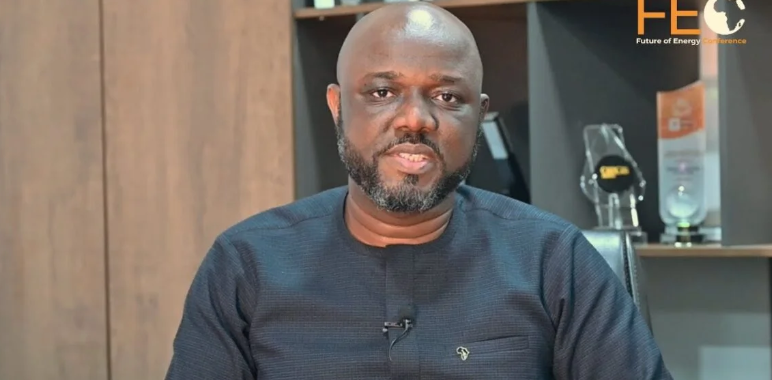
Speaking at a policy engagement organised by the Natural Resource Governance Institute (NRGI), ACEP’s Executive Director, Ben Boakye, said years after several oil blocks were awarded, meaningful exploration activity remains limited, despite incentives meant to accelerate drilling and discovery.
Boakye noted that of the 13 oil blocks allocated to companies, only a few have made tangible efforts to drill. He cited ENI and AGM as firms that initially signalled intent by committing to drilling programmes, but later failed to follow through even after additional fiscal incentives were introduced.
Springfield Exploration, he added, drilled a single well, an effort that has since become contentious amid questions over its commercial outcomes. Beyond these examples, Boakye said most operators have effectively sat on their concessions without advancing exploration.
According to ACEP, the deeper concern lies in how companies continue to retain these blocks. Boakye alleged that instead of complying with clearly defined contractual procedures for extensions, some firms seek political intervention.
“Rather than follow what the Petroleum Agreement requires, companies simply go to see the minister and ask for more time, and the extension is granted,” he said. “That approach runs directly against the provisions of the agreements.”
He explained that Ghana’s petroleum contracts spell out strict timelines for exploration phases, including conditions for extensions. Where a company fails to execute its approved work programme, it is required either to complete the agreed spending or pay the unutilised amount to the Ghana National Petroleum Corporation (GNPC) before any extension is considered.
“The agreements are very clear,” Boakye stressed. “There is even room for a first extension, but only if the company meets its financial obligations. What we see instead is that these payments are not made, yet extensions are still approved.”
ACEP argues that this practice has produced little benefit for the country, while tying up valuable hydrocarbon acreage in concessions that show no progress. Boakye described the arrangements as unproductive, warning that they weaken regulatory authority, erode investor discipline and stall sector development.
The think tank cautioned that allowing companies to hold oil blocks indefinitely without drilling shuts out potentially more capable investors and reduces Ghana’s leverage in a global environment where financing for oil and gas exploration is becoming more selective.
ACEP is therefore urging stricter enforcement of Petroleum Agreements, clearer disclosure around extension decisions and the removal of political discretion from upstream licensing and contract management.
The group maintains that rebuilding confidence in Ghana’s petroleum governance framework is critical to attracting serious investment and ensuring the country derives maximum value from its remaining oil and gas resources.
These concerns add to growing debate about declining exploration activity in Ghana’s upstream sector and the need for stronger institutional discipline to safeguard national interests in natural resource management.