Asiama’s First Year at BoG: From Crisis Control to Cautious Confidence

When Dr Johnson Pandit Asiama walked into the Bank of Ghana as Governor at the start of 2025, the economy was still nursing the aftershocks of inflation, currency instability and the scars of a bruising banking sector clean-up.
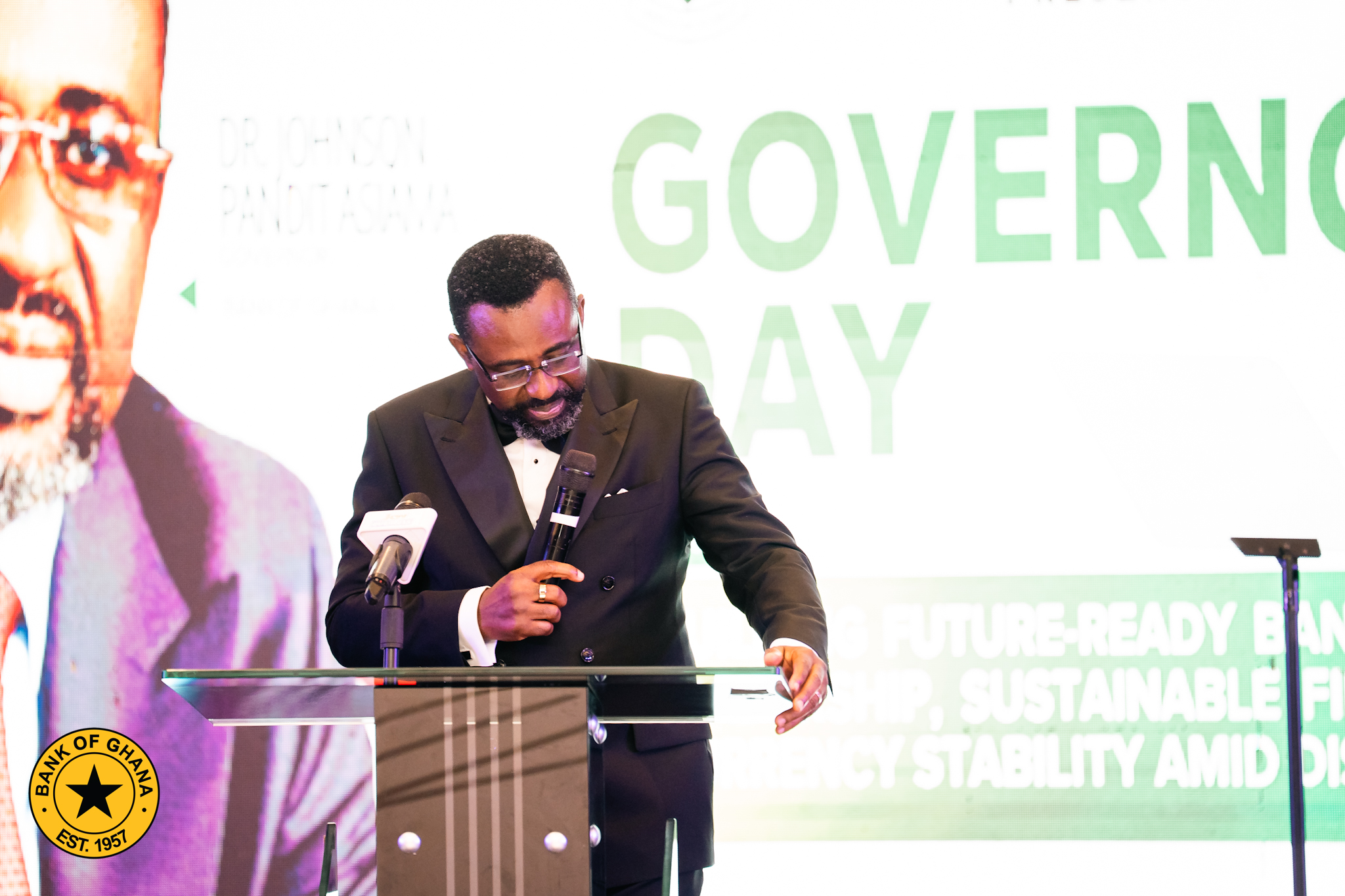
Twelve months on, the Governor is using the occasion of the 2025 Governor’s Day Annual Bankers’ Dinner to take stock of a year spent restoring discipline, rebuilding confidence and repositioning Ghana’s financial system for growth.
His address read less like a speech and more like a progress report on a central bank determined to regain credibility after one of the most turbulent periods in its history.
Early Days: Reasserting Control Over Inflation and the Cedi
Dr Asiama said his first major task was to restore monetary discipline at a time when inflation expectations were unanchored and the cedi was under sustained pressure.
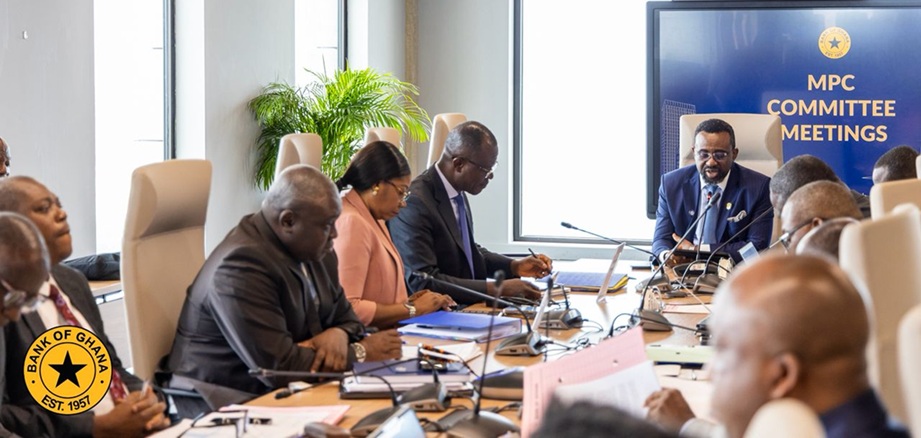
In March 2025, the Bank of Ghana raised the policy rate by 100 basis points, a move he described as necessary to send a clear signal that price stability had returned to the centre of policymaking.
At the same time, governance changes were introduced at the Monetary Policy Committee, including majority voting and the publication of individual member votes, steps aimed at strengthening transparency and accountability.
“These were not cosmetic reforms,” the Governor noted, but measures designed to rebuild trust in the central bank’s decision-making process.
By November, inflation had fallen from above 23 per cent at the beginning of the year to single digits, while the cedi had appreciated by more than 20 per cent, outcomes Dr Asiama said validated the tough early choices.
From Tightening to Easing: A Shift Enabled by Credibility
With inflation on a downward path, the Bank of Ghana moved cautiously into easing mode, cutting the policy rate by a cumulative 1,000 basis points over the course of the year.
Dr Asiama stressed that these reductions were not a policy reversal but a reward for restored discipline.
“Rate cuts only matter when they are credible,” he said, adding that without the early tightening and structural reforms, easing would have risked reigniting instability.
Fixing What Was Broken: Banking Sector Repair
Beyond macro stability, the Governor said the banking sector demanded urgent attention after the Domestic Debt Exchange Programme weakened capital buffers and confidence.
At the end of 2024, eleven banks were operating below the required capital adequacy threshold. By November 2025, that number had fallen to five, reflecting recapitalisation, supervisory pressure and an improving operating environment.
Dr Asiama said banks have been given firm timelines to close remaining capital gaps and reduce non-performing loans toward the prudential 10 per cent benchmark by end-2026.
“This is about resilience, not punishment,” he said, emphasising that strong banks are essential for sustained economic recovery.
Governance, Not Just Capital
One of the recurring themes of the Governor’s first year has been governance.
He said boards have been reminded that oversight must go beyond formality, while foreign-owned banks are now required to demonstrate stronger local governance and accountability.
Supervisory focus has also intensified on outsourcing risks, data protection and operational resilience, areas he said are increasingly critical as banking becomes more digital.
Cleaning Up the Smaller End of the Market
Dr Asiama also turned attention to the microfinance and specialised deposit-taking sector, which has long been a source of financial inclusion but also instability.
A new Microfinance Sector Reform Strategy now classifies institutions into four categories, each with clearly defined mandates and prudential rules.
He announced plans to restructure the ARB Apex Bank into a broader sector support institution, providing policy guidance, supervision support and capacity building beyond rural and community banks.
Building the Pipes of Modern Finance
The Governor described 2025 as a year of laying infrastructure for the future.
This included the completion of a National Payment Systems Strategy, modernisation of the gh-link card system, migration to ISO 20022 messaging standards and stronger oversight of remittance flows.
He said Ghana’s digital finance landscape is also being prepared for the next wave of innovation, with agent banking reforms, open finance frameworks and regulatory sandboxes gaining momentum.
The passage of the Virtual Asset Service Providers Bill, he added, now gives the Bank of Ghana clear authority to regulate digital asset activity.
The Next Chapter: Turning Stability into Growth
Looking ahead, Dr Asiama said his second year in office will focus less on firefighting and more on productive deployment of stability.
Banks, he argued, must play a central role in financing exports, supporting agro-processing and leveraging opportunities under the African Continental Free Trade Area.
“When banks support exporters, they strengthen the economy’s foreign exchange base and their own balance sheets at the same time,” he said.
A Measured Optimism
As he closed his review, the Governor struck a cautious but confident tone.
If 2025 was about restoring order and confidence, 2026, he said, must be about using that stability to deliver quality growth, deeper financial intermediation and stronger regional integration.
For Ghana’s central bank chief, the first year has been about fixing the foundations. The real test, he suggested, now lies in building something lasting on them.