Ghana Turns to Climate Stress-Testing to Protect Infrastructure Investment
Ghana is quietly rethinking how it builds and protects its infrastructure, as climate shocks expose the high economic cost of treating resilience as an afterthought rather than a design principle.
Instead of responding to floods, fires and structural failures only after damage is done, the country has begun stress-testing critical infrastructure to determine how roads, housing and drainage systems perform under extreme environmental and systemic pressure. The approach marks a shift from reactive rebuilding to forward-looking risk management.
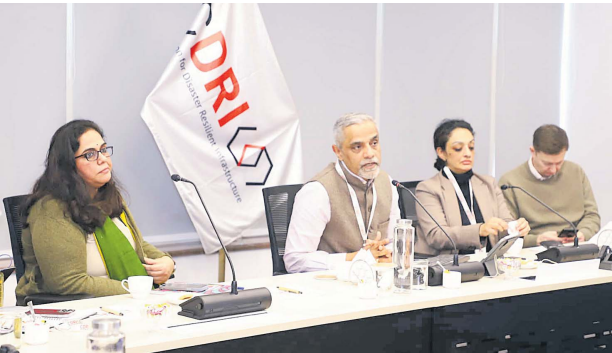
This transition came into sharper focus during a recent familiarisation visit to India by editors and journalists from across Africa and Oceania, including a Ghanaian delegation. At the offices of the Coalition for Disaster Resilient Infrastructure (CDRI) in New Delhi, journalists were briefed on Ghana’s ongoing collaboration aimed at identifying structural weaknesses before they turn into disasters.
What Stress-Testing Infrastructure Involves
Infrastructure stress-testing goes beyond routine engineering checks. It examines how assets behave under worst-case scenarios—intense rainfall, prolonged flooding, heat stress, coastal erosion or cascading failures where the breakdown of one system cripples others.
For Ghana, the exercise is intended to answer a critical question: which infrastructure fails first when climate shocks hit, and why?
By generating risk scores and performance profiles, stress-testing provides evidence that helps policymakers prioritise investments, redesign vulnerable systems and avoid repeatedly spending public funds on assets that fail prematurely.
A Global Framework Meets Ghana’s Local Challenges
CDRI was launched in 2019 by Indian Prime Minister Narendra Modi at the UN Climate Action Summit, driven by the idea that resilience is no longer optional in a world facing climate volatility, rapid urbanisation and interconnected risks.
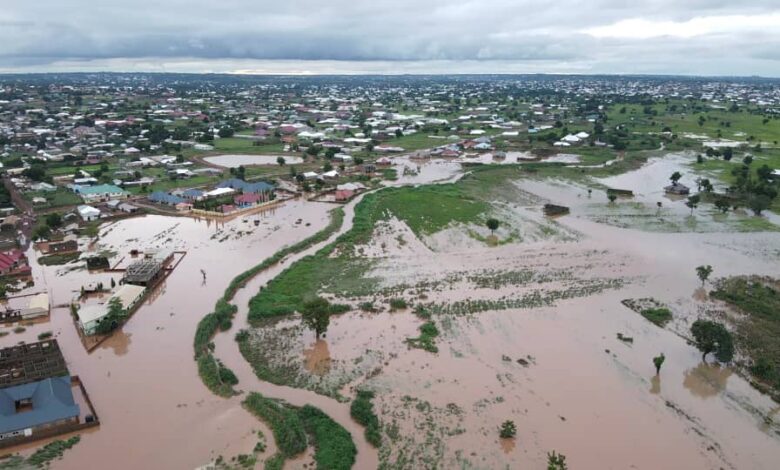
That message resonates deeply in Ghana, where flooding in Accra and Kumasi has become almost seasonal, market fires recur with disturbing frequency, and buildings collapse long before their expected lifespan.
While often described as “natural disasters,” many of these events are rooted in human behaviour—building in waterways, weak enforcement of planning regulations, political interference and poor maintenance culture.
When Infrastructure Failures Become Self-Inflicted
Despite heavy public investment in roads, housing and markets, Ghana’s infrastructure remains fragile. Substandard materials, compromised standards and neglect of routine inspections have turned development assets into recurring liabilities.
The economic consequences extend beyond visible destruction. Flooded roads disrupt supply chains, market fires wipe out years of capital especially for women traders and repeated reconstruction diverts public funds away from education, healthcare and productive investment.
Stress-testing is designed to interrupt this cycle by exposing vulnerabilities early and encouraging smarter, longer-term planning.
From Intuition to Evidence-Based Decisions
One of the most significant outcomes of Ghana’s engagement with CDRI is the move away from intuition-driven infrastructure decisions toward data-backed planning.
The stress-testing process builds local capacity, equipping Ghanaian technical teams with tools to model climate impacts, assess risk and embed resilience into real projects rather than policy rhetoric.
According to Ms. Sakshi Chadha Dasgupta, Lead Specialist on Technical Studies at CDRI, Ghana has been among the most active African countries in engaging the platform, a sign that resilience is increasingly being treated as a national priority rather than a donor-driven agenda.
The Real Test Lies Beyond the Data
While the technical tools exist, the real challenge is political discipline. Resilient infrastructure demands enforcement of building codes, resistance to short-term pressures and sustained investment in maintenance—choices that are often unpopular but necessary.
As climate risks intensify and urban populations expand, Ghana’s infrastructure decisions will increasingly determine whether disasters remain routine or become rare.
Stress-testing is a critical first step. Whether it transforms Ghana’s development trajectory will depend on whether its findings are acted upon—or quietly ignored.