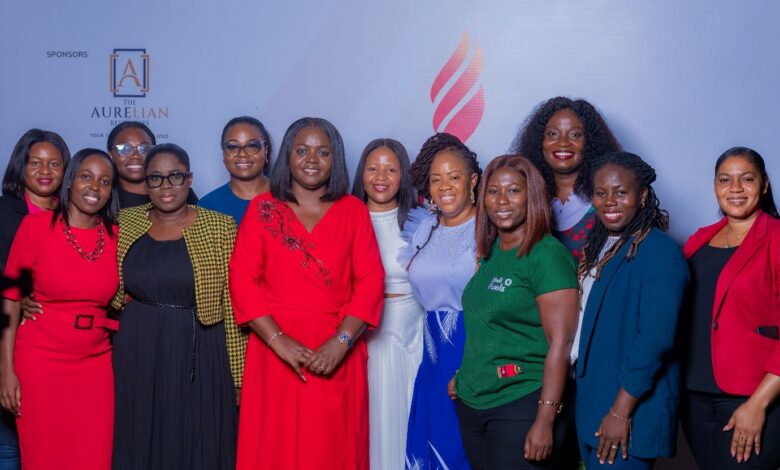
Chalom Hights, a women-focused leadership and mentorship platform, has marked its first year of operations with the launch of PowerSide, an initiative aimed at strengthening the leadership pipeline for young female professionals in Ghana’s corporate sector.
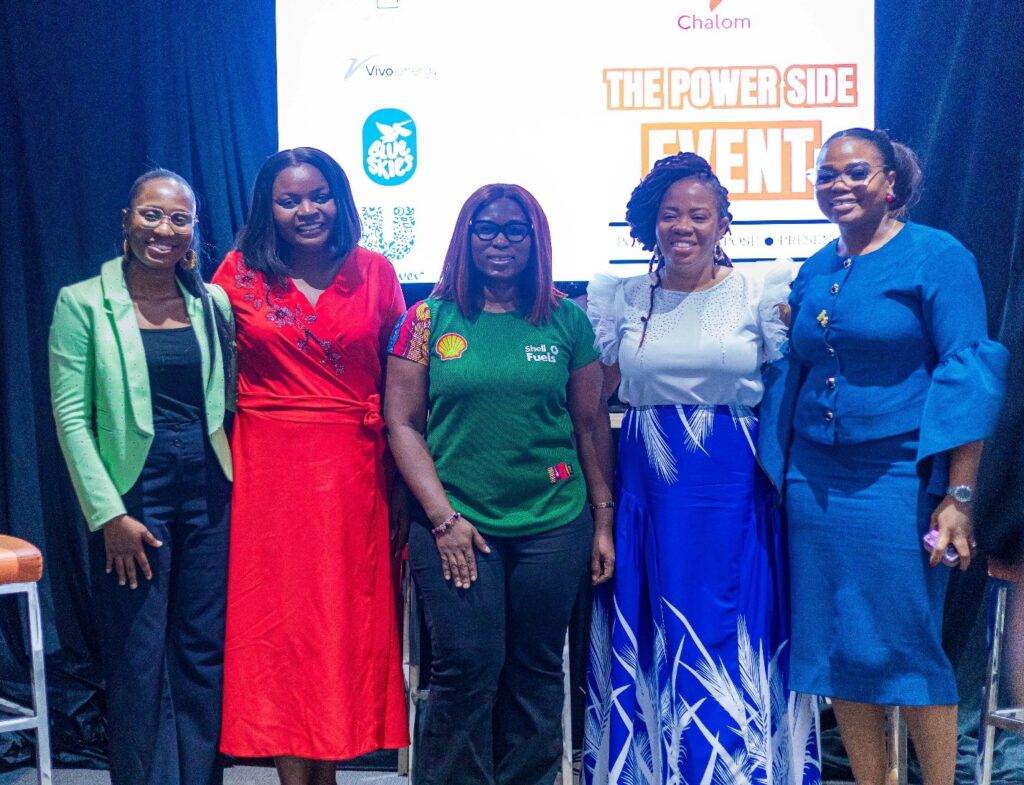
Held in Accra, the event combined structured mentorship and a panel discussion, underscoring the growing role of private-sector initiatives in addressing skills gaps, leadership readiness and gender disparities in professional advancement.
Organisers described PowerSide not merely as a commemorative event, but as a targeted intervention designed to connect early-career women with senior professionals across multiple industries, translating mentorship into practical career capital.
Mentorship as Human Capital Investment
At the centre of the programme was a pilot mentorship cohort of 10 young female corporate professionals, who engaged directly with experienced women leaders through short, focused one-on-one sessions. The “speed mentorship” format was designed to deliver targeted guidance on career mobility, leadership development, personal branding and workplace strategy within compressed timeframes.
The approach reflects a broader labour market shift, where mentorship and informal skills transfer are increasingly recognised as complements to formal education, particularly in leadership development, talent retention and succession planning.
Chalom Hights said the initiative seeks to narrow information and access gaps that often constrain women’s career progression in competitive corporate environments.
Building Confidence and Career Mobility
The programme was structured around three themes—power, purpose and presence—framing discussions on confidence-building, intentional career planning and professional visibility.
Panelists drawn from senior leadership positions across various sectors shared insights on navigating organisational complexity, managing career transitions and building credibility in male-dominated workplaces. Discussions also highlighted the importance of mentorship networks and peer support in sustaining long-term professional growth.
While the focus was on individual development, organisers linked the conversation to broader economic outcomes, noting that stronger female leadership participation enhances organisational performance, workforce resilience and talent depth.
From Event to Ecosystem
Chalom Hights said PowerSide will serve as a foundation for expanded programming, including longer-term mentorship cohorts, leadership masterclasses and skills-focused engagements aimed at converting inspiration into measurable career outcomes.
Founder Rita Adu Boateng said the organisation’s objective is to institutionalise access to mentorship rather than rely on one-off motivational events.
“Leadership development is not accidental,” she said. “It requires access, structure and sustained engagement.”
As Ghana’s private sector continues to grapple with talent development, inclusion and leadership succession, initiatives such as PowerSide reflect increasing interest in non-traditional platforms that complement corporate training and formal education.
For Chalom Hights, the first-year milestone signals a strategic ambition: positioning mentorship not as a social add-on, but as a deliberate investment in workforce and leadership development.