Africa’s Critical Minerals Drive the Global Energy Transition
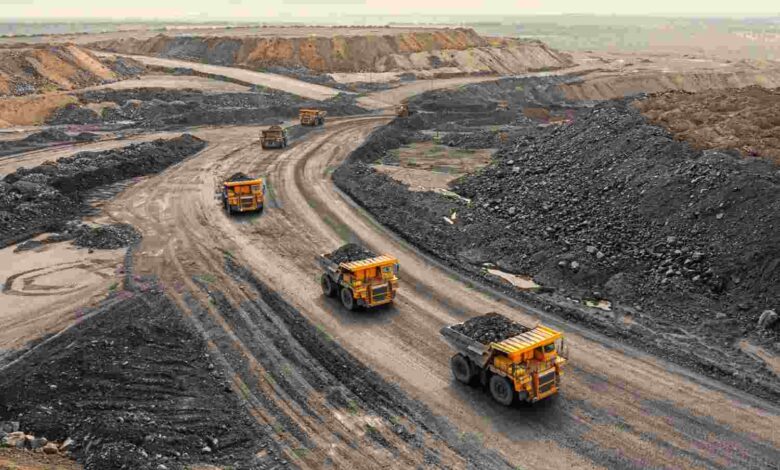
As the world accelerates the shift away from fossil fuels, Africa’s vast endowment of critical minerals is emerging as one of the most decisive factors shaping the future of the global energy transition. Long viewed largely as a source of raw materials, the continent is increasingly being recognised as a strategic player whose resources are indispensable to clean energy technologies, electric mobility and advanced manufacturing.
New analysis underscores that Africa holds nearly one-third of the world’s known reserves of key critical minerals, including cobalt, lithium, manganese and copper—materials that form the backbone of batteries, renewable energy systems and low-carbon infrastructure. Without secure and sustained access to these minerals, global ambitions to decarbonise energy systems and meet climate targets face serious constraints.
This reality is altering how Africa fits into global economic and geopolitical calculations. Critical minerals are no longer niche commodities; they are now central to industrial competitiveness, energy security and technological leadership. For Africa, this shift presents both opportunity and risk. The opportunity lies in the continent’s ability to leverage its mineral wealth to secure investment, technology transfer and industrial development. The risk is that, without deliberate policy choices, Africa could once again remain locked into a role as a raw material exporter while value is created elsewhere.
Experts argue that the global energy transition cannot succeed without Africa. Cobalt from the Democratic Republic of Congo powers electric vehicle batteries. Manganese and lithium from Southern and West Africa are essential for energy storage. Copper from across the continent underpins renewable energy grids and electrification efforts. Together, these resources place Africa at the centre not the margins of the green transition.
The growing strategic importance of Africa’s minerals is also reshaping international engagement with the continent. Governments, multinational corporations and financial institutions are intensifying interest in African mining jurisdictions, seeking stable supply chains for minerals that are now considered critical to national security and economic resilience. This has heightened competition, but also strengthened Africa’s bargaining position.
Institutions such as UNU-INRA, through initiatives like C-MINK, argue that Africa’s advantage must go beyond geology. Translating mineral wealth into long-term development requires policy coherence, strong institutions and a shift towards local processing, refining and manufacturing. The global energy transition, they note, offers a narrow but powerful window for Africa to reposition itself within global value chains.
The stakes are high. Global demand for critical minerals is projected to rise sharply over the next three decades, driven by electric vehicles, renewable power systems and energy storage technologies. If managed strategically, Africa’s mineral resources could underpin industrialisation, job creation and technological upgrading across the continent. If mismanaged, they risk reinforcing existing patterns of dependency and volatility.
As the clean energy race gathers pace, one message is becoming increasingly clear: the success of the global energy transition is inseparable from Africa’s mineral wealth. The question is no longer whether Africa matters to the green transition—but whether Africa can convert its centrality into lasting economic and strategic gains.