New Hajj Village Near KIA 55% Complete, Poised for Year-Round Use
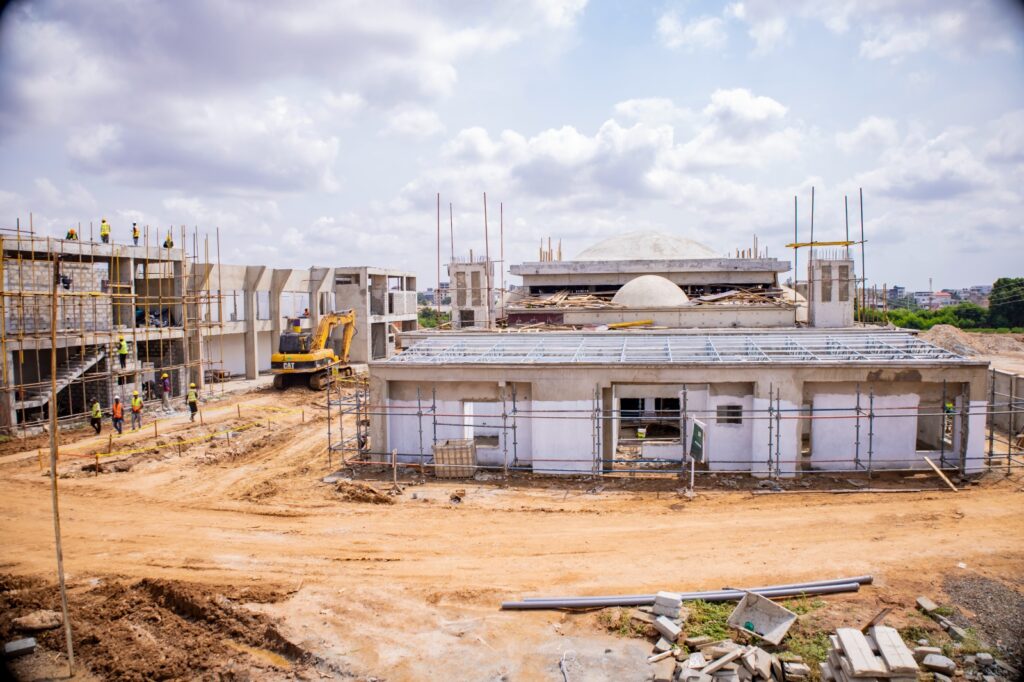
The construction of the New Hajj Village near Kotoka International Airport (KIA) has reached 55 per cent completion, signaling steady progress on a project set to combine religious service with commercial and aviation-linked opportunities.
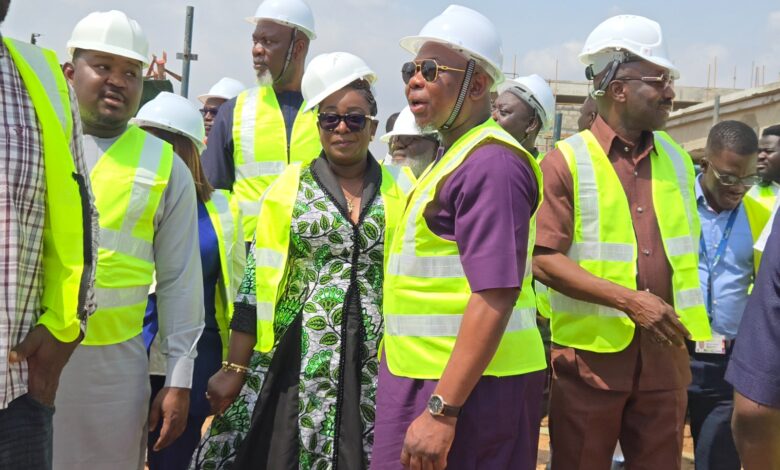
The update emerged during an inspection tour by the Board and Management of the Ghana Airports Company Limited (GACL), led by Board Chairman James Agalga, who expressed satisfaction with the pace of work and confidence in the project’s long-term impact.
A Multi-Purpose Facility Beyond Hajj
While the New Hajj Village is primarily designed to support Ghana’s annual pilgrimage operations, it is being developed as a mixed-use complex capable of year-round activity. The project blends aviation support services with commercial, hospitality, and event-related infrastructure.
Solomon Abijah, Director of Projects, Engineering and Construction at Mawums Limited, explained:
“The layout is deliberately designed for continuous use. During Hajj, canopies will guide pilgrims, but outside that period, the space remains fully functional as recreational and green areas.”
Commercial, Conference, and Health Amenities
Central to the development is a commercial and conference block with retail shops, restaurants, and conference halls seating 250 and 50 guests. These facilities are intended to host events and generate retail activity independently of pilgrimage periods.
A fully equipped clinic will provide on-site medical services for pilgrims and visitors, a feature described by Mr. Abijah as critical for safety and emergency response.
Residential accommodation blocks are structurally complete, with roofing and plastering finished. Current works include washrooms, flooring, ceilings, and painting. The terminal building, equipped with IT systems, will handle passenger processing efficiently.
Mosque, Market, and Supporting Infrastructure
The project includes a mosque for 300 worshippers, with the main dome completed and minarets under construction. Adjacent to the mosque is a market and cooking area designed to serve both pilgrims and the wider public year-round.
Supporting infrastructure includes male and female ablution facilities, refuse management shelters, offices for Hajj officials, internal roads, and extensive parking—especially for buses during pilgrimage departures and commercial events.
Aviation-Linked Investment Without Public Capital
Mr. Agalga highlighted that the project is financed through a land-swap arrangement, with the contractor covering construction costs in exchange for the old Hajj Village land. “GACL is not spending a dime,” he noted, describing the deal as a strategic model to generate commercial revenue without public expenditure.
Completed, the facility is expected to generate income through retail, conferencing, and hospitality—strengthening GACL’s non-aeronautical revenue base and supporting future airport infrastructure.
Presidential Support and Policy Continuity
The project enjoys backing from President John Dramani Mahama, who laid the foundation stone after assuming office. Mr. Agalga emphasized the President’s vision for dignified facilities for Ghanaian pilgrims and the administration’s commitment to continue and complete the project as part of government continuity.
Economic and Aviation Sector Impact
Beyond Hajj facilitation, the New Hajj Village reflects GACL’s broader strategy to leverage airport-adjacent assets for revenue generation, a model increasingly embraced by global airport operators. Analysts note that such developments reduce dependence on passenger charges, strengthen financial sustainability, and improve service delivery across the aviation sector.
Looking Ahead
Though construction is slightly behind schedule, assurances have been given that lost time will be recovered. The facility is expected to be ready for commissioning by the end of the year.
For GACL, the New Hajj Village is shaping up as more than a pilgrim support facility—it represents a strategic, aviation-linked investment that combines infrastructure development, commercial viability, and inclusive national service.