WHO Sounds Alarm on TB Burden in Eastern Mediterranean Region as Cases Hit 920,000
The World Health Organization ( WHO) has issued an urgent call for intensified action to reverse the tuberculosis (TB) epidemic in the Eastern Mediterranean Region, warning that progress remains fragile despite recent gains.
Marking World Tuberculosis Day 2026 under the theme “Yes! We can end TB! Led by countries. Powered by people,” the global health body highlighted the scale of the challenge, with an estimated 920,000 new TB cases and nearly 85,000 deaths recorded in 2024 alone.
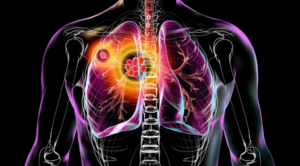
The situation is compounded by significant detection gaps, with about one-third of cases going undiagnosed, particularly in high-burden and fragile countries such as Djibouti, Somalia, Sudan, Libya, Afghanistan and Pakistan. On average, one person falls ill with TB every 34 seconds in the Region, while a life is lost every six minutes.
“Too many are diagnosed late or not at all. Service gaps and treatment interruptions fuel transmission and drug resistance, while the cost of care pushes families into hardship,” said Hanan Balkhy.
The WHO noted persistent gaps across the care cascade. Only 30 percent of drug-resistant TB cases receive treatment, while fewer than one in four patients benefit from shorter, all-oral treatment regimens. Preventive treatment coverage also remains critically low among household contacts and people living with HIV.
Limited access to services, high loss to follow-up and the financial burden of care continue to undermine progress, increasing the risk of drug resistance and ongoing transmission.
Despite these challenges, the Region has recorded measurable gains. Between 2020 and 2024, more than 2.8 million TB cases were diagnosed and successfully treated, with treatment success rates exceeding 90 percent—contributing to a gradual decline in the disease burden.
However, WHO cautioned that the pace of progress is too slow and uneven to meet global targets. “Without sustained investment and accountability, gains can quickly reverse,” Dr Balkhy warned.
The organisation stressed that ending TB remains achievable but will require stronger country leadership, increased domestic and international investment, and accelerated adoption of new diagnostic and treatment innovations.
Among new recommendations issued in 2026 are the rollout of near point-of-care molecular tests to improve early detection, the use of tongue swab samples to expand testing access, and sputum pooling strategies to enhance efficiency and reduce costs.
These innovations, WHO said, could help countries identify the “missing millions” of undiagnosed TB cases, particularly in underserved communities with limited laboratory access.
As part of the World Tuberculosis Day commemoration, WHO is urging governments, partners and communities to scale up awareness, strengthen prevention and care systems, and renew commitments to eliminating the disease.
The agency warned that failure to act decisively risks reversing hard-won gains, increasing infections and deaths, and pushing global TB elimination targets further out of reach.