Middle East Conflict Sends Shockwaves Through Africa as AfDB, Others Urge Swift Measures
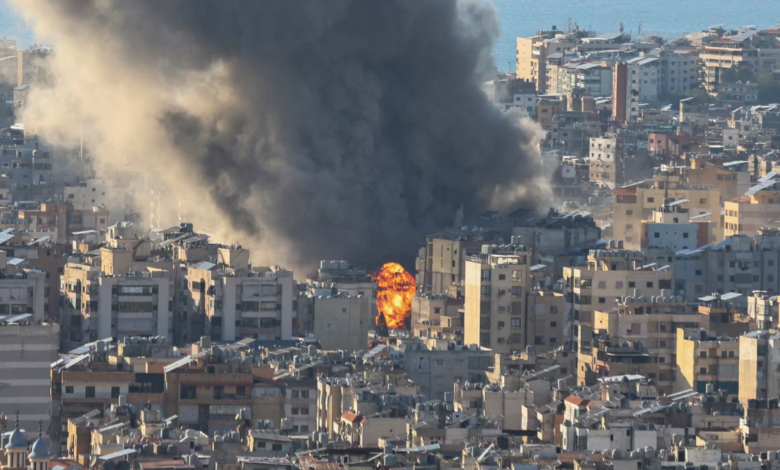
Rising global instability is exposing Africa’s economic vulnerabilities, with fresh shocks from the Middle East conflict driving up energy, food and fertilizer prices and tightening pressure on already fragile economies.
In a joint policy push, the African Development Bank, African Union Commission, United Nations Development Programme and United Nations Economic Commission for Africa have outlined a coordinated response strategy aimed at helping African countries manage immediate disruptions while building long-term resilience.
The recommendations, discussed on the sidelines of the 58th Session of the Economic Commission for Africa in Tangier, come as the continent grapples with a rapidly shifting global environment where shocks are transmitted faster and with greater intensity than in previous crises.
Shockwaves Hit Faster, Harder
The institutions warn that the current crisis is unfolding through concentrated channels, leaving governments with limited time to respond. The economic impact is already evident across the continent.
Global oil prices have surged by more than 50 percent since late March, while 29 African currencies have weakened, sharply increasing the cost of servicing external debt and importing essential commodities such as fuel, food and fertilizer.
Supply disruptions linked to Gulf energy markets are also constraining access to key agricultural inputs like ammonia and urea during the critical March–May planting season. This threatens to reduce crop yields and deepen food insecurity, particularly in low-income and import-dependent economies.
“Africa is facing serious implications for energy markets, food security and economic resilience,” said Mahmoud Ali Youssouf, warning that continued escalation of the conflict could worsen already acute pressures.
A Test for Policy and Leadership
For policymakers, the current crisis is both a stress test and a turning point.
“This moment calls for decisive action—not only to protect people now, but to accelerate Africa’s push toward energy security, food sovereignty and financial self-reliance,” said Claver Gatete.
The warning reflects a growing consensus that repeated external shocks—from pandemics to geopolitical conflicts—are exposing structural weaknesses in African economies, particularly their dependence on imports and external financing.
Ahunna Eziakonwa stressed that the continent’s response must combine policy discipline with stronger political will, noting that “with the right mix of policy choices and financing tools, Africa can emerge more resilient and better positioned to shape its own future.”
Three-Tier Response Strategy
The joint brief outlines a three-pronged approach to managing the crisis:
Immediate measures focus on cushioning households and stabilising supplies of fuel, food and fertilizer, with support from development partners and the private sector.
Medium-term reforms target energy security, expansion of social protection systems and deeper regional trade integration under the African Continental Free Trade Area framework.
Long-term strategies centre on strengthening domestic resource mobilisation and building African-led financial safety nets, including accelerated implementation of the African Financing Stability Mechanism.
From Vulnerability to Preparedness
Sidi Ould Tah emphasised that Africa must move beyond reactive crisis management toward proactive resilience building.
“As global crises multiply, Africa’s response must evolve from managing shocks to fostering resilience,” he said, calling for coordinated action among African institutions and development partners.
The institutions argue that by investing in energy independence, strengthening food systems and deepening regional integration, Africa can reduce its exposure to external shocks and reposition itself for more sustainable growth.
The current crisis, they conclude, underscores a critical reality: Africa’s long-term stability will depend not just on managing global disruptions, but on building the internal capacity to withstand them.