Global Institutions Warn of Food and Energy Shock as Middle East Conflict Ripples Worldwide
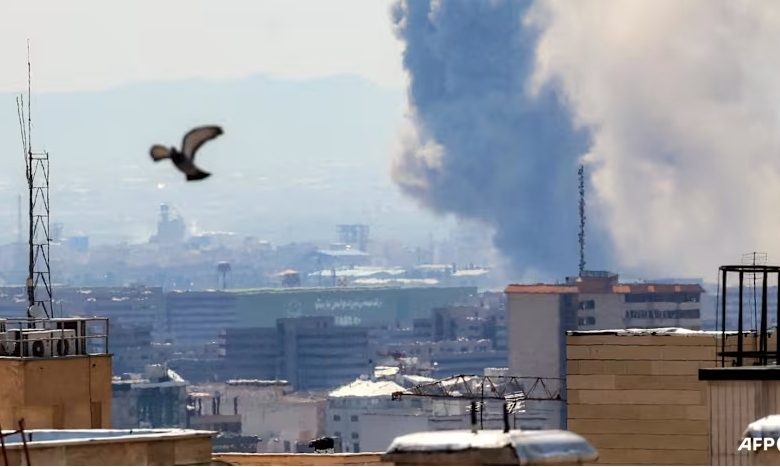
The deepening conflict in the Middle East is triggering a far-reaching economic and humanitarian shock, with global institutions warning of rising energy costs, food insecurity and mounting pressure on vulnerable economies.
In a joint statement, the heads of the International Monetary Fund, World Bank Group and World Food Programme said the war is already disrupting lives and livelihoods across the region while sending powerful ripple effects through global markets.
Energy Shock Spreads Globally
The institutions pointed to what they described as one of the most significant disruptions to global energy markets in recent history. Prices for oil, gas and fertiliser have surged sharply, driven by supply uncertainties and logistical constraints linked to the conflict.
These pressures are being amplified by transport bottlenecks, which are slowing the movement of critical commodities and raising costs across supply chains.
Food Prices Set to Rise
The knock-on effect of higher energy and fertiliser costs is expected to be felt most acutely in food systems. As production and transport costs increase, global food prices are likely to rise, worsening food insecurity in already fragile regions.
Low-income and import-dependent countries are particularly exposed, as they rely heavily on global markets for both fuel and food. For many of these economies, the ability to absorb price shocks is limited.
Vulnerable Economies Under Strain
The institutions warned that the burden of the crisis will fall disproportionately on the most vulnerable populations. In countries with high debt levels and constrained fiscal space, governments have limited capacity to cushion households from rising costs.
Higher fuel prices are expected to push up transportation and living expenses, while rising food prices could deepen poverty and increase the risk of social instability.
Coordinated Global Response
In response, the IMF, World Bank and WFP said they are working closely to monitor developments and deploy available tools to support affected countries.
They indicated that existing mechanisms would be leveraged to provide financial assistance, food support and policy guidance aimed at protecting lives and stabilising economies.
Building Resilience Beyond the Crisis
Beyond immediate relief, the institutions stressed the importance of laying the groundwork for a more resilient recovery. This includes strengthening economic stability, supporting growth and creating jobs in the aftermath of the shock.
The coordinated approach reflects growing concern that the current crisis, if prolonged, could reverse development gains and deepen global inequalities.
For policymakers, the message is clear: the economic fallout from the conflict is no longer regional—it is global, and its consequences will be felt most sharply where resilience is weakest.