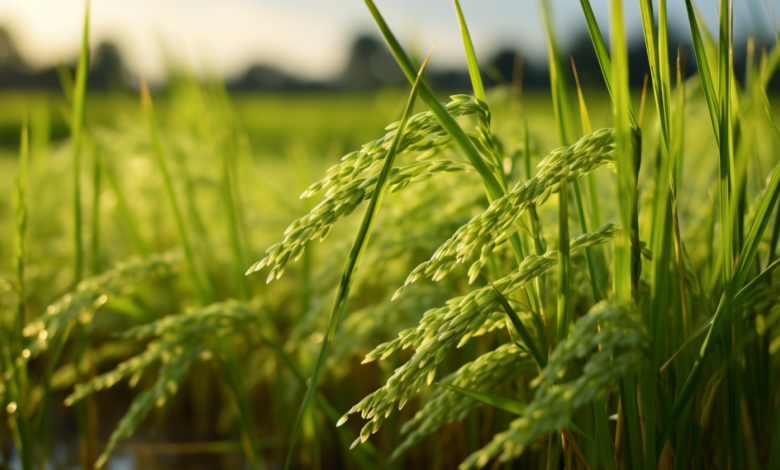
Rice sits at the heart of Ghanaian diets and rural livelihoods but how it is grown is now becoming just as important as how much is produced.
As climate pressures mount and water resources tighten, Ghana is stepping up efforts to transform rice farming through climate-smart methods that promise higher efficiency, lower emissions and improved farmer incomes.
That shift is gaining momentum through a new initiative led by United Nations Development Programme in partnership with the Government of Ghana, aimed at scaling sustainable rice cultivation nationwide.
At the centre of the effort is the introduction of the Alternate Wetting and Drying (AWD) technique, a farming method that allows rice fields to dry intermittently instead of remaining continuously flooded. The approach is already showing strong potential to reduce methane emissions, cut water usage and lower production costs, while maintaining or even increasing yields.
From Climate Risk to Farming Opportunity
Traditional rice cultivation is one of the largest agricultural sources of methane emissions, a greenhouse gas significantly more potent than carbon dioxide. With agriculture both a victim and contributor to climate change, the need for smarter production methods has become urgent.
The AWD technique directly addresses this challenge by improving water efficiency and reducing emissions without compromising productivity, an important balance for a country seeking to boost food security while meeting its climate commitments.
Beyond farm-level gains, the initiative is also aligned with Ghana’s climate targets under the Paris Agreement, creating pathways to attract climate financing tied to verified emission reductions.
Governance to Drive Scale
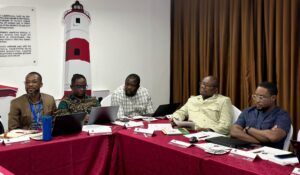
To anchor the rollout, stakeholders have convened a high-level Project Steering Committee to guide implementation. The committee brings together key institutions including the Ministries of Agriculture and Environment, regulatory agencies, research bodies, farmer organisations and development partners.
Its role is to provide strategic oversight, ensure accountability and coordinate efforts across sectors critical elements for scaling what is still a relatively new farming practice in Ghana.
“Climate-smart solutions such as Alternate Wetting and Drying offer Ghana a practical pathway to reduce emissions while strengthening farmer livelihoods,” said Abdul-Razak Saeed, Head of Environment and Climate at UNDP Ghana. “Strong governance will be key to achieving measurable impact.”
Linking Farmers to Climate Finance
One of the more strategic dimensions of the project is its link to results-based climate finance. By generating measurable emission reductions, Ghana can potentially tap into international carbon markets, creating new revenue streams tied directly to sustainable farming practices.
This positions rice farmers not just as food producers, but as contributors to global climate solutions—opening up new economic opportunities beyond traditional agriculture.
A Broader Agricultural Reset
The initiative signals a broader shift in how Ghana approaches agriculture from input-heavy, resource-intensive methods to more efficient, climate-resilient systems.
For farmers, the benefits are immediate: lower water costs, improved yields and reduced exposure to climate shocks. For policymakers, the gains are strategic: stronger food systems, lower emissions and access to climate finance.
Outlook
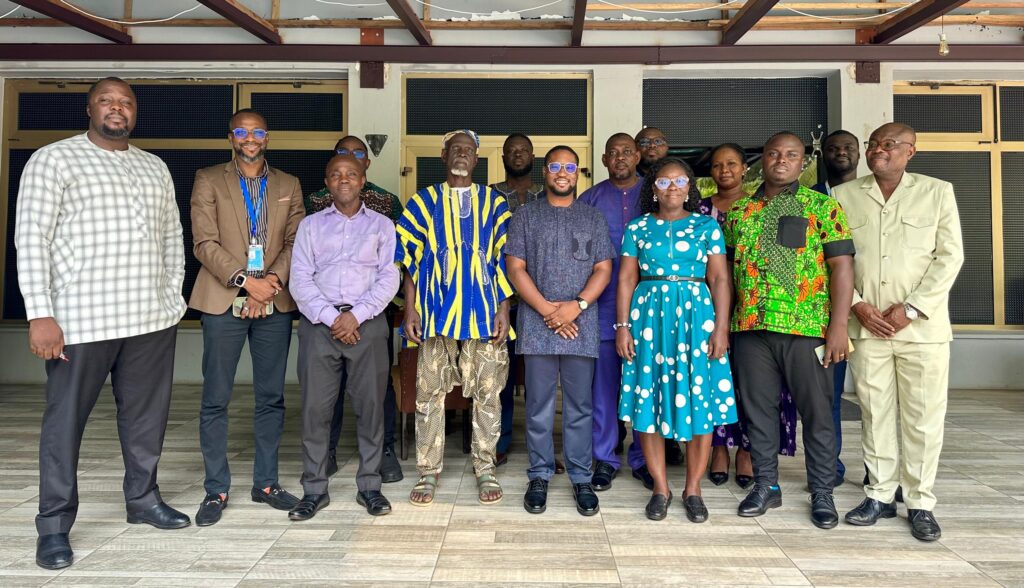
As Ghana moves to scale climate-smart rice farming, the challenge will be translating pilot success into nationwide adoption. That will depend on farmer education, infrastructure support and sustained coordination across institutions.
If effectively implemented, the initiative could redefine rice production in Ghana, turning a climate challenge into an opportunity for productivity, sustainability and growth.