
Africa Targets Shea Value Addition to Boost Export Earnings
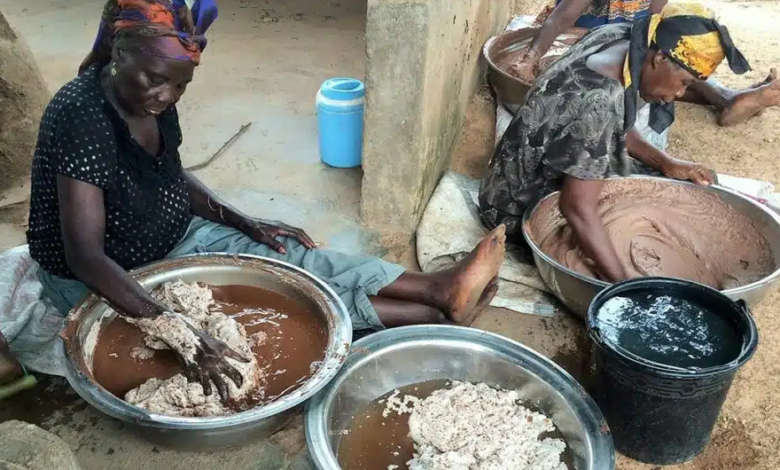
A decisive shift toward processing and value addition is emerging as the next growth frontier for Africa’s shea industry, as policymakers and industry players seek to unlock higher export earnings and expand local manufacturing.
This formed the core of discussions at the Shea 2026 conference hosted by the Global Shea Alliance in Accra, where stakeholders called for a transition from exporting raw shea nuts to finished and semi-finished products.
Vice President Jane Naana Opoku-Agyemang said African economies are missing out on significant value by remaining at the lower end of the supply chain, despite growing global demand for shea derivatives in the food, confectionery and cosmetics industries.
She noted that Ghana’s shea sector, which supports hundreds of thousands of women, particularly in the northern regions has the potential to deliver stronger economic returns if supported with the right policies and investments.
Industrialisation push gains momentum
The renewed focus on value addition aligns with Ghana’s broader economic strategy, including efforts to drive continuous production under the 24-hour economy policy. Industry players say expanding processing capacity will be key to transforming the sector from a raw commodity exporter into a competitive agro-industrial value chain.
Across the region, policy shifts are already beginning to reshape the industry. John Owan Enoh said Nigeria has recorded increased domestic processing following a moratorium on raw shea nut exports.
The policy, he explained, has contributed to improved farm-gate prices, rising industrial investment, and growing interest from international buyers seeking partnerships in local processing.
Inclusive growth and sustainability
Stakeholders also stressed the importance of ensuring that value addition translates into inclusive growth, particularly for rural women who dominate the shea value chain.
Marion Etyang Busingye described shea as more than a tradable commodity, noting its deep connection to communities and ecosystems.
Industry leaders say collaboration across countries will be essential to protect shea resources, improve standards, and ensure long-term sustainability while scaling economic benefits.
Capturing a growing global market
With demand for natural and plant-based ingredients on the rise globally, the shea industry presents a significant opportunity for African economies to increase export revenues and diversify their industrial base.
The Global Shea Alliance continues to drive initiatives aimed at strengthening the competitiveness of the sector and improving livelihoods across producing communities.
As momentum builds, the message from Accra is clear: Africa’s shea industry can deliver far greater economic value—but only if production is matched with processing and strategic policy support.