African Leaders Press for Funds to Close Climate-Health Action Gap
African countries are seeking more predictable financing to turn climate-health plans into programmes that can protect communities and keep health services running during climate shocks
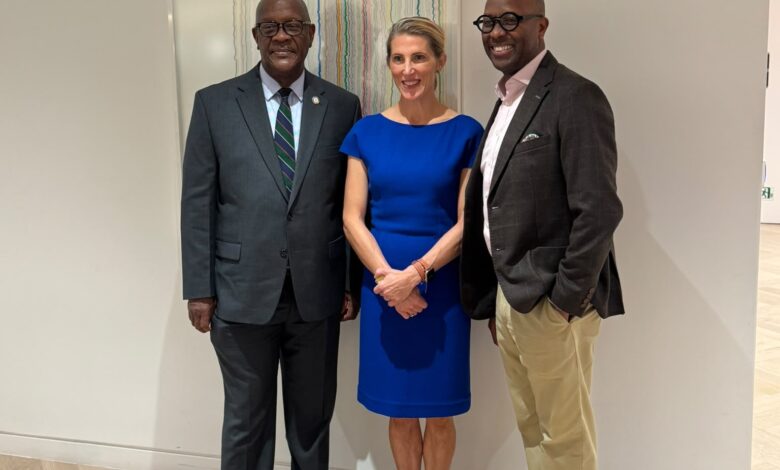
African health leaders are pushing for more financing to help countries move beyond climate-health assessments and plans and put practical measures in place to protect communities and health facilities from rising climate risks.
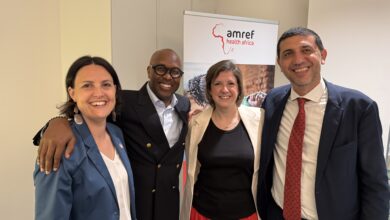
The call came at an investment roundtable, “Building Africa’s Climate Buffer: Financing Climate-Resilient Primary Health Care,” organised by Amref Health Africa and Seed Global Health on the sidelines of the 81st United Nations General Assembly in New York.
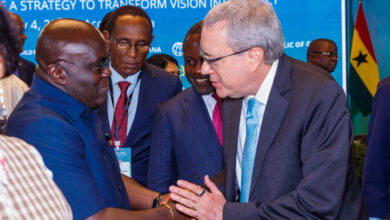
The meeting brought together African government representatives, the Africa Centres for Disease Control and Prevention (Africa CDC), development finance institutions, climate funds and philanthropic organisations.
Participants said climate change could no longer be treated separately from health, as extreme heat, drought, flooding and changing disease patterns are placing additional pressure on health systems across the continent.
Despite the growing risks, health receives only a small share of global climate-adaptation finance.
The financing gap is becoming more pressing as climate-related events are projected to contribute to millions of additional deaths and trillions of dollars in economic losses by 2050.
From plans to projects
Dr Vanessa Kerry of Seed Global Health said the resources available to health systems were falling short of the scale of the climate-health challenge.
She also pointed to the unequal burden facing countries that have contributed relatively little to global emissions but are increasingly exposed to climate-related health risks.
Dr Githinji Gitahi of Amref Health Africa said Africa’s response should be rooted in climate justice.
He said most African countries have very low per-capita emissions and should not be expected to shoulder the same mitigation burden as the world’s largest emitters.
He identified three priorities for Africa: faster emissions reductions by high-emitting countries, greater use of renewable energy to support economic growth, and immediate investment in adaptation.
Efforts are already under way to mobilise resources from the Green Climate Fund for Tanzania and Zambia, with Amref working jointly with the countries concerned.
Dr Gitahi also highlighted the new Climate Research and Policy Lab at Amref International University, which is expected to strengthen research, policy and investment cases for climate-resilient health programmes.
What countries need
Representatives from several countries used the meeting to outline projects already under way and the financing needed to expand them.
In Sierra Leone, Minister Demby highlighted investments in reliable electricity and emergency referral services.
About 380 health facilities have been fully solarised, with a national target of 2,000 facilities by 2030.
Eighteen major hospitals, including Connaught Hospital, are now supported by 1.2 megawatts of solar power.
Sierra Leone has also deployed 140 ambulances and plans to double the fleet while adding water and tricycle ambulances.
The next priority is to strengthen the referral network through better communication, staffing, GPS-enabled coordination and national oversight.
In Zambia, Dr Simpungwe outlined a process linking the country’s Climate and Health Roadmap to a Vulnerability and Adaptation Assessment and, eventually, a National Health Adaptation Plan.
The country’s immediate priorities include climate-informed disease surveillance and early-warning systems, climate-resilient water, sanitation and hygiene services, and a health workforce prepared to deal with climate-related threats.
Kenya’s Principal Secretary Muriuki highlighted three areas requiring investment: solar-powered primary health facilities with reliable water and sanitation, integrated early-warning and epidemiological data systems, and stronger support for frontline health workers and community health promoters.
She said short-term and fragmented project funding remained a major obstacle.
Kenya needs financing that is more predictable and flexible and can reach all 47 county governments, while allowing counties to address their own priorities.
In Ethiopia, Dr Masebo linked climate change to emerging disease risks, including the country’s first reported Marburg outbreak and increased exposure to El Niño.
Ethiopia’s plan to plant 80 billion trees by COP32 was cited as part of the country’s wider response to climate risks.
With COP32 expected to be held in Addis Ababa in 2027, Dr Masebo said the meeting should be used to establish a stronger African climate-health agenda.
Africa puts a price on the response
Africa CDC also presented a costed climate and health framework valued at about US$480 million.
The framework, developed with African Union member states, focuses on community-centred primary health care that is better prepared for climate shocks, epidemics and pandemics, while encouraging greater use of domestic resources.
Efforts to mobilise Green Climate Fund resources for an initial group of member states are also continuing through country-led processes.
Dr Tajuddin of Africa CDC said stronger coordination was needed to ensure development partners support national and regional priorities rather than duplicate existing work.
Recent disease outbreaks, he said, have shown that epidemics, climate pressures and weaknesses in health systems are closely connected.
Dr Antwi-Boasiako Amoah, Chair of the African Group of Negotiators on Climate Change, said countries had already done much of the work involved in identifying climate-health risks.
Many have completed vulnerability assessments and prepared Health National Adaptation Plans.
The problem, he said, is turning those plans into programmes that can attract funding and be implemented.
He proposed a grant-based project-preparation facility to help health ministries develop credible investment pipelines.
He also called for more public and concessional financing from multilateral climate funds and development banks.
Blended and catalytic finance could then be used to reduce risks and attract additional investment, provided the financing remains tied to national priorities and clear accountability.
A financing problem inside government
The discussion also pointed to a less visible obstacle.
Health ministries often struggle to present their priorities in the formats and financial terms used by finance ministries, development banks and investors.
Participants said technical assistance was needed to help health officials develop stronger business cases and compete for a place in national and international financing decisions.
Representatives of the Rockefeller Foundation highlighted first-loss capital, guarantees, concessional finance and blended structures as possible tools for supporting resilience investments.
They also argued that early-warning systems should be connected to clear response plans and financing that can be released before a climate-related health emergency escalates.
The World Bank pointed to the growing integration of climate considerations into its health portfolio and identified co-financing, debt-for-health swaps and blended finance as possible ways of supporting implementation.
The Gates Foundation called for longer-term philanthropic funding and greater investment in health workers, community health systems, artificial intelligence and disease surveillance, particularly in fragile and humanitarian settings.
Women and girls also face different risks
Participants also raised the need to account for gender in climate-health investments.
The Valerian Fund warned that gender-neutral planning could overlook the different risks faced by women and girls.
Grand Challenges Canada, meanwhile, called for philanthropic organisations to align their funding around common, country-led outcomes.
The next 12 months
The meeting ended with several follow-up measures.
Amref Health Africa and Seed Global Health will prepare a summary of the discussions and commitments.
Participants also proposed a climate and health project-preparation and financing platform to help countries turn their National Health Adaptation Plans into investment-ready programmes over the next year.
Ethiopia proposed a follow-up discussion during the Africa CDC meeting in November to consolidate the climate-health agenda ahead of COP32.
Development finance institutions, multilateral development banks and philanthropic organisations were also called on to align their investments with costed national plans and report on progress at future global meetings.
The discussion in New York brought to the fore a gap that African countries say is becoming increasingly difficult to ignore: the continent has identified many of its climate-health risks and set out priorities, but financing has not kept pace.
The next phase will depend on whether those plans can be matched with the long-term funding needed for health facilities, health workers, early-warning systems and communities facing the health effects of a changing climate.