
Ghana Rice X’mas Sales Exhibition Week Returns With a Bigger Message: ‘Buy Ghana, Grow Ghana’
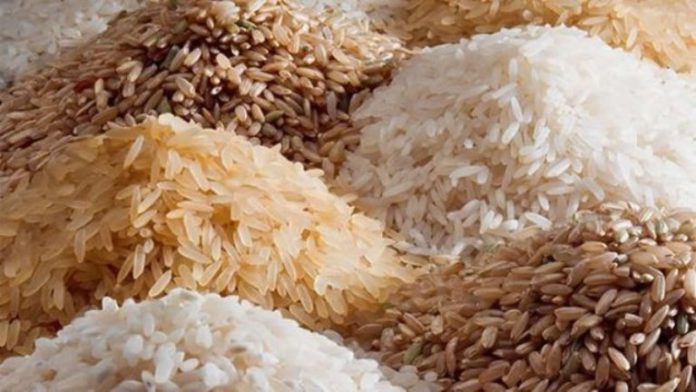
The Chamber of Agribusiness Ghana has announced the Ghana Rice Xmas Sales Exhibition Week 2025, set for December 17th to 27th at the University of Ghana, Legon. But this year’s event comes with a louder national conversation behind it , the question of why Ghana still imports so much rice despite its growing capacity to produce more at home.
Growing Demand, Rising Debate
Ghana’s love for rice has never been in doubt. What continues to puzzle experts is why a country that has significantly increased its rice production still spends hundreds of millions of dollars each year importing what it can grow.
The Institute for Fiscal Studies (IFS) recently reignited the debate, arguing that Ghana has the resources to reverse the trend and become a major net exporter in the medium term. According to the IFS, Ghana produced just over 181,000 metric tons of rice in 2008. A decade later, output had tripled to more than 530,000 metric tons. Yet imports rose even faster, from 395,000 metric tons to more than 830,000 metric tons over the same period.
The IFS says this contradiction is rooted in “low ambition.” While countries like Thailand and Vietnam turned rice into multi-billion-dollar export industries, Ghana has set its sights only on meeting local demand.
Chamber Pushes the Case for Quality Ghana Rice
It is within this context that the Chamber of Agribusiness is positioning the 2025 exhibition as more than just a market fair.
The Chamber says Ghanaian rice now consistently meets international standards, with improved milling, better packaging, stronger branding, and a taste profile that reflects authentic local varieties.
The exhibition, the Chamber noted, is aimed at giving consumers direct access to high-quality Ghana rice while strengthening confidence in the local rice value chain. “We are delivering authentic taste and nutrition for Ghanaians,” the Chamber stated, adding that the sector has reached a point where consumers can confidently choose Made-in-Ghana rice without compromising on quality.
Untapped Potential Worth Billions
Experts say the stakes are high. Ghana has an estimated 5.9 million hectares of fertile land suitable for rice, but less than 3 percent of that is currently being used.
If Ghana were to cultivate even a fraction of this land and improve yields to levels recorded in Vietnam, the country could dramatically shift from importer to exporter, earning valuable foreign exchange while strengthening rural economies.
The IFS estimates that Ghana could one day produce up to 35 million tons of rice annually if it fully leveraged its land and improved yields, nearly 25 times current production levels. Even more modest gains, the report notes, would still position Ghana to export millions of tons after meeting local demand.
A Market, A Message, A Movement
The Ghana Rice Xmas Sales Exhibition Week is therefore expected to serve two purposes:
to boost sales during the festive season, and to send a strong signal that the future of Ghana’s rice industry lies in embracing and supporting locally grown rice.
As the Chamber puts it, the message is simple: Ghana rice is ready, Ghanaian consumers are ready, and the industry is pushing to make Ghana a rice-secure nation.