Concerns are mounting over the future of Ghana’s mineral revenue management following recent changes to the Mineral Income and Investment Fund (MIIF), with policy analysts warning that the reforms could weaken its core mandate.
Executive Director of the Centre for Extractives and Development Africa, Samuel Bekoe, has cautioned that the restructuring significantly alters the Fund’s financial capacity and raises critical governance questions.
Speaking in an interview, Mr Bekoe explained that MIIF was originally designed to maximise returns from Ghana’s mineral royalties through strategic investments. Since its establishment in 2018, the Fund has grown its assets under management from $118 million to about $1 billion in 2024.
However, he noted that amendments to the Fund’s structure have sharply reduced its access to mineral royalties.
“MIIF previously received about 80 percent of mineral royalties, but that has now been cut to just 2 percent for operational purposes,” he said.
The remaining 78 percent, he added, is now directed into a newly created Mineral Income Holding Account—an arrangement he says lacks clarity on oversight and reporting.
Oversight Questions Deepen
Mr Bekoe stressed the need for clear governance rules to guide the management of the new holding account, including transparent frameworks for withdrawals, investments and periodic reporting.
“We need visibility on how these funds are being allocated, the projects they support, and the value they generate,” he stated.
While acknowledging government’s intention to channel the funds into large-scale infrastructure under its “big push” agenda, he warned that weak accountability structures could undermine public confidence.
Limited Visibility on Returns
Despite MIIF’s growing asset base, Mr Bekoe pointed to the absence of publicly available data on investment returns, raising concerns about performance transparency.
“There is still little clarity on the actual returns generated from these investments,” he noted, adding that delays in publishing key documents such as investment guidelines and financial statements further compound the problem.
He suggested that these governance gaps may have influenced the decision to restructure the Fund.
Broader Transparency Deficit
Beyond MIIF, Mr Bekoe highlighted systemic weaknesses in the oversight of Ghana’s mineral revenues, noting that the sector lacks the robust accountability mechanisms seen in the petroleum industry.
He referenced the Public Interest and Accountability Committee (PIAC) as a model that has improved transparency in oil revenue management, arguing that a similar framework is needed for mineral resources.
“Public awareness and scrutiny of mineral revenues remain low compared to oil,” he observed.
He proposed either expanding PIAC’s mandate or strengthening disclosure requirements to ensure regular publication of mineral revenue inflows, project allocations and outcomes.
Long-Term Risks to Resource Value
Mr Bekoe warned that poor management of mineral revenues could have lasting consequences, given the finite nature of such resources.
“If these resources are not invested prudently, future generations may be left with little benefit,” he cautioned.
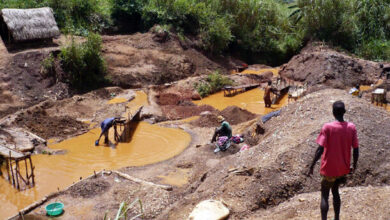
He called for MIIF to adopt proactive transparency measures, including regular reporting on investment performance, beneficiary projects and outcomes of initiatives such as its artisanal and small-scale mining support programmes.
Push for Proactive Disclosure
While acknowledging ongoing scrutiny of some MIIF activities, Mr Bekoe emphasised that the Fund must take the initiative in rebuilding trust.
“MIIF should not wait to be questioned. It must proactively publish information on its investments and returns,” he said.
He maintained that strengthening governance, transparency and accountability across Ghana’s mineral revenue framework is critical to ensuring that the country’s extractive wealth delivers sustainable development benefits.