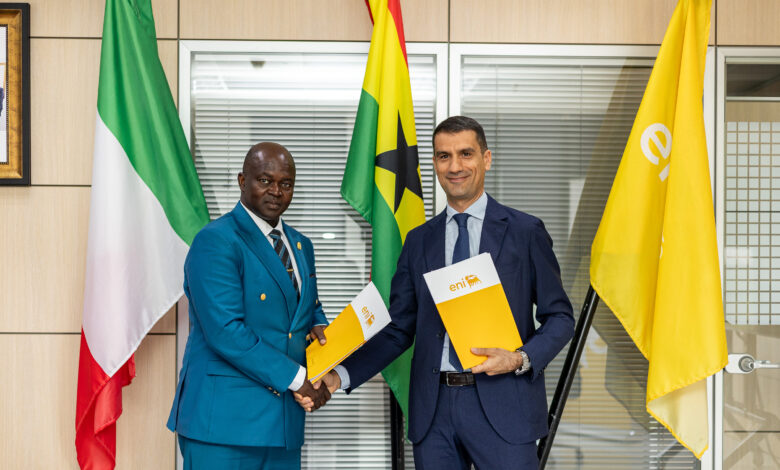
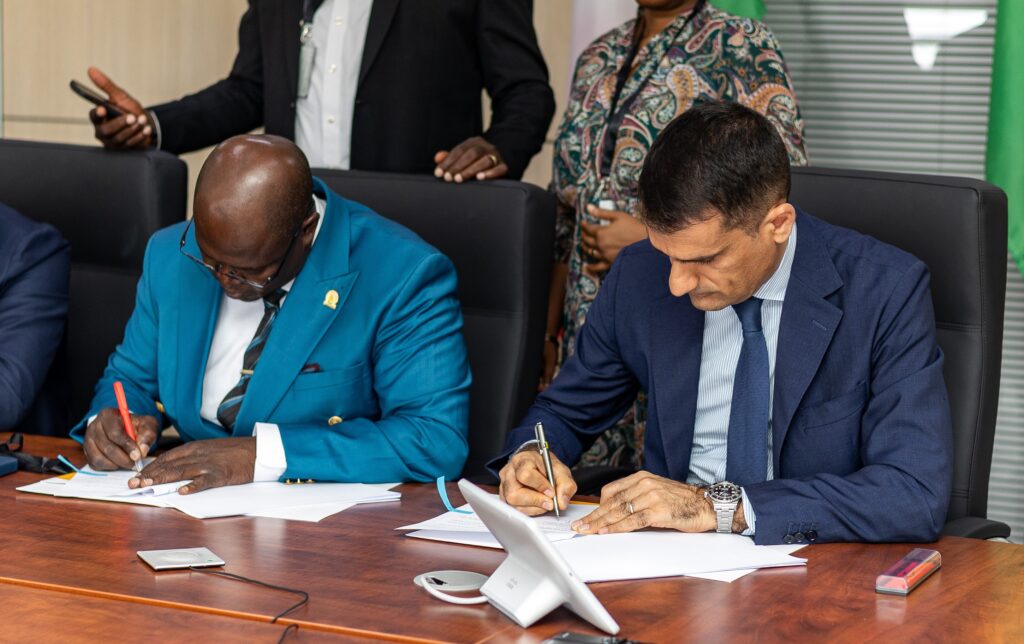
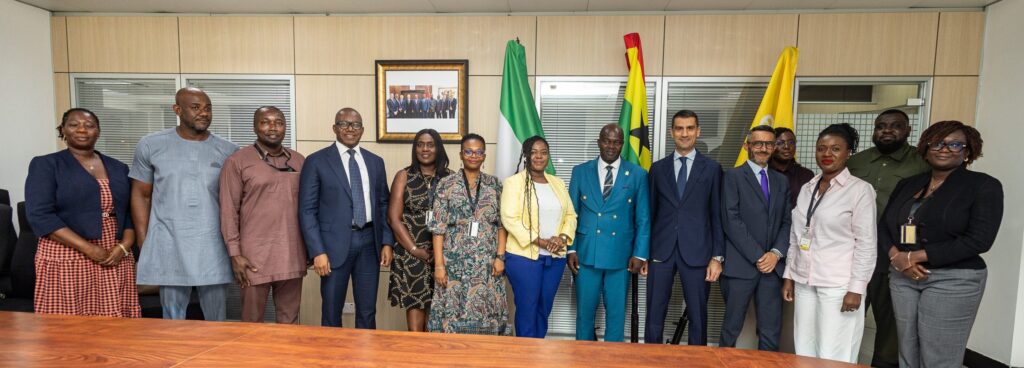
Eni Ghana, in partnership with Vitol Upstream Ghana Ltd and Ghana National Petroleum Corporation, has signed a memorandum of understanding with the Ghana Health Service to strengthen primary healthcare delivery and emergency response systems in Ghana’s Western region.
The four-year programme, spanning 2026 to 2029, is expected to directly benefit about 180,000 people, with potential to reach up to 380,000 residents, particularly in remote communities where access to healthcare remains limited.
Expanding Access to Essential Care
At the core of the initiative is a plan to improve access to primary healthcare through targeted infrastructure upgrades. This includes rehabilitating health facilities, ensuring reliable electricity supply, and providing safe water systems, critical inputs for effective service delivery.
The programme will also prioritise maternal, newborn and child health, an area that continues to require sustained investment to improve outcomes and reduce preventable deaths.
Building System Capacity
Beyond infrastructure, the initiative places strong emphasis on strengthening human capital within the health system.
Healthcare workers will receive specialised training in areas such as Emergency Obstetric and Newborn Care (EmONC), clinical governance, safe surgery and vaccine cold-chain management. These interventions are expected to enhance service quality and improve the system’s ability to respond to emergencies.
The focus on capacity building reflects a broader shift toward long-term health system resilience rather than short-term interventions.
Community Engagement and Sustainability
A key component of the programme is community-level engagement aimed at improving public health outcomes through behavioural change.
Education campaigns will promote better practices in water, sanitation and hygiene (WASH), waste management, vector control and nutrition—areas that directly influence disease prevention and overall well-being.
The initiative also incorporates a sustainability model centred on community ownership, with strengthened local committees expected to play a critical role in maintaining facilities and ensuring long-term impact.
Linking Energy Investment to Social Impact
For Eni and its OCTP partners, the programme builds on more than a decade of community-focused investments in Ghana, contributing to the country’s broader goal of achieving universal health coverage.
Eni has operated in Ghana since 2009, with offshore production of about 40,000 barrels of oil equivalent per day. The company leads the Offshore Cape Three Points (OCTP) project with a 44.4% stake, alongside Vitol (35.6%) and GNPC (20%).
While the joint venture remains a major player in Ghana’s energy sector, it has increasingly expanded its footprint into social investments, including healthcare, training, water and sanitation, and energy access.
The latest healthcare initiative highlights a broader business strategy—leveraging extractive sector revenues to support critical social infrastructure, improve productivity and strengthen local economies.
By investing in health systems, the partnership is not only addressing immediate service gaps but also contributing to a healthier workforce, a key foundation for sustained economic growth.