WHO Warns of Deepening Humanitarian Crisis as Funding Cuts Threaten Health Services
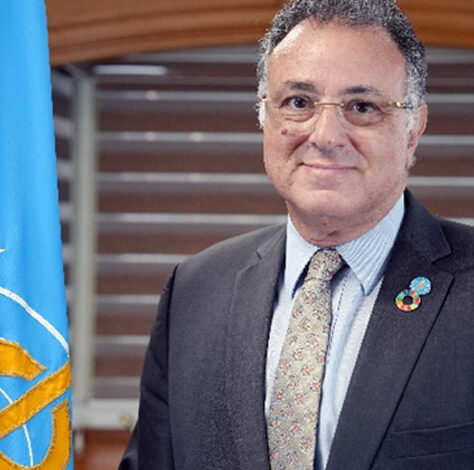
The World Health Organization’s Eastern Mediterranean Region is facing rising humanitarian needs and shrinking funding, with 46% of the world’s internally displaced people and 57% of refugees living in the region, according to Dr Adham Rashad Ismail, Officer-in-Charge of the WHO Regional Office for the Eastern Mediterranean.
Closing the 73rd session of the WHO Regional Committee for the Eastern Mediterranean in Cairo, Dr Ismail said conflict and reduced international financing were putting pressure on health systems, making it critical for countries to protect essential services and sustain progress in disease prevention and treatment.
The meeting, held from October 13 to 15, 2026, adopted resolutions on reducing the financial burden of healthcare and accelerating the elimination of communicable diseases. Delegates also reviewed polio eradication, emergency response and health system strengthening.
Funding cuts affect WHO operations
The WHO regional office has faced a 14% reduction in its base budget, resulting in difficult decisions, including the reduction of 300 posts.
Dr Ismail acknowledged the impact on staff and praised health workers who continue to provide services in difficult conditions.
“An Organization is only as strong as the people who carry its mission,” he said, thanking current and former WHO colleagues for their work during the funding crisis.
Partner support helped the Regional Office mobilise US$1.6 billion in 2024–2025, among the highest amounts across WHO regions. Dr Ismail said the organisation would continue working to maintain the confidence of its partners.
Governments commit to reducing healthcare costs
At the meeting, countries adopted a resolution calling for health financing reforms to reduce the burden of medical expenses on households.
The measures include increasing domestic public funding for healthcare, expanding prepaid and pooled financing arrangements and reducing out-of-pocket payments, particularly for vulnerable and underserved populations.
Delegates also backed a coordinated approach to eliminating communicable diseases. The plan encourages countries to share surveillance systems, laboratories, supply chains and health workers instead of relying only on separate programmes for individual diseases.
Dr Ismail said tackling several diseases together could help countries accelerate progress.
Polio eradication remains a priority, with Afghanistan and Pakistan the last two countries where wild poliovirus is endemic. He urged countries to use the coming low-transmission season to interrupt the remaining chains of transmission.
The Committee also discussed the safe and equitable use of artificial intelligence in public health, the proposed WHO Programme Budget for 2028–2029 and reforms to global health governance.
Health gains recorded despite conflict
Despite the pressures on health systems, Dr Ismail cited progress in disease elimination and immunisation.
Nine countries in the region have eliminated trachoma, while three have been certified malaria-free, he said.
In Sudan, coverage with the third dose of pentavalent vaccine rose from 38% to 71% in one year, demonstrating that immunisation services can improve even in conflict settings.
He also pointed to improvements in health regulatory systems, with some reaching WHO maturity levels 3 and 4.
Dr Ismail said countries needed to protect these gains and extend healthcare to people who had not yet benefited from them.
Focus turns to implementation
Dr Ismail said the Regional Office would continue supporting all Member States and work to ensure that progress made over the past year was not lost during the leadership transition.
He urged governments to implement the decisions reached in Cairo rather than allow them to remain commitments on paper.
“We will measure ourselves next October not by what we adopted in this room, but by what changed outside it,” he concluded.