
New Shea Platform Seeks Bigger Markets for Ghana
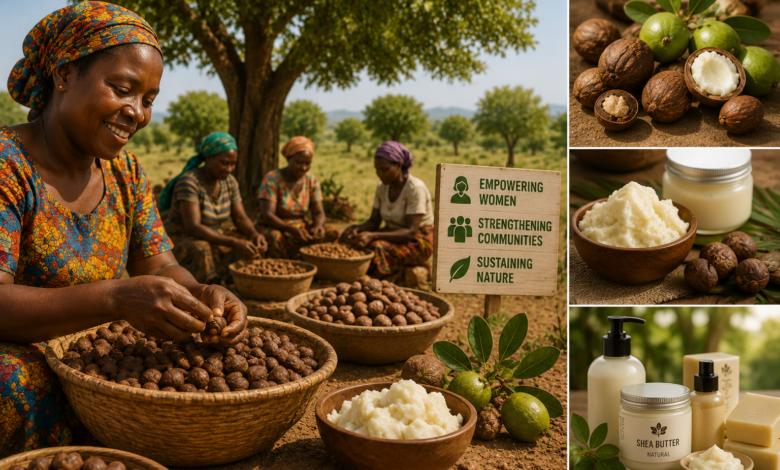
Ghana is positioning itself to capture a larger share of the fast-growing global shea market following the launch of a new national platform designed to strengthen the country’s shea value chain, improve market coordination and unlock greater economic opportunities for thousands of women producers.
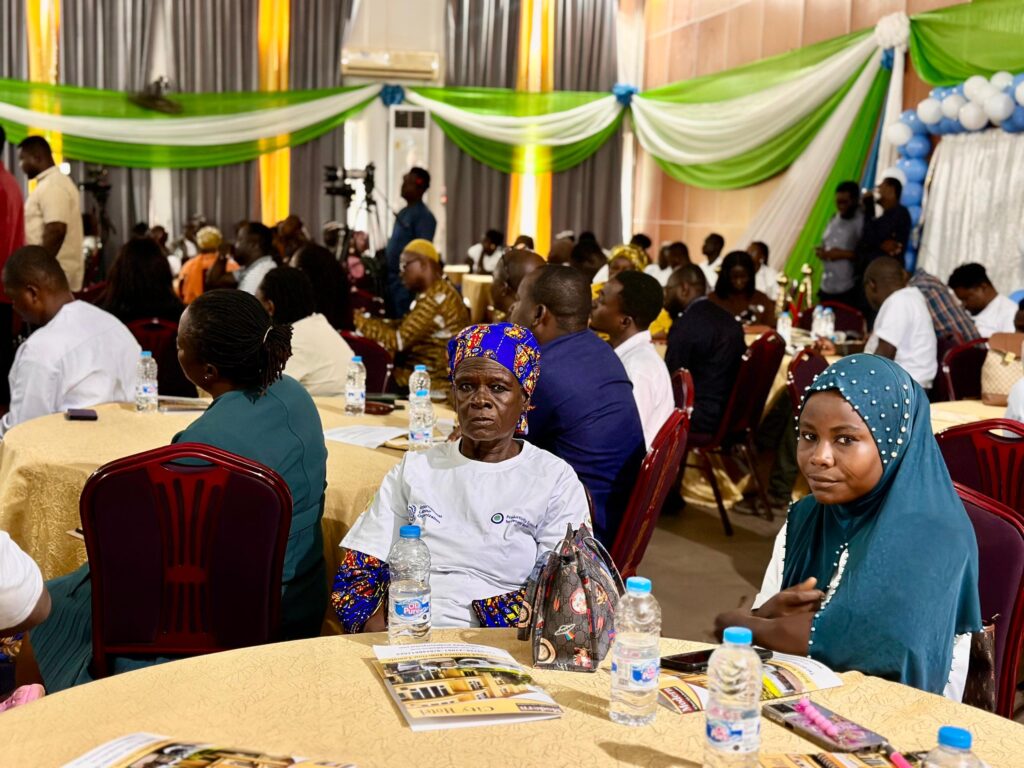
The newly launched National Shea Commodity Platform (NSCP) is expected to transform how the industry operates by bringing together government agencies, private sector players, exporters, researchers, development partners and producer groups under a single coordinating framework.
The initiative, launched by the United Nations Development Programme (UNDP) in partnership with the Forestry Commission and the Global Shea Alliance (GSA), will be hosted by the Tree Crops Development Authority (TCDA).
Its objective is straightforward: eliminate the fragmentation that has long held back one of Ghana’s most valuable agricultural commodities and position the country to benefit from rising international demand for shea products.
A Bigger Play in a Growing Global Market
Global demand for shea butter continues to expand, driven by increasing use in cosmetics, food manufacturing, pharmaceuticals and wellness products.
For Ghana, the opportunity is substantial.
The country produces between 130,000 and 150,000 metric tonnes of shea nuts annually, generating an estimated US$118 million in value. Yet despite its commercial importance, the sector has struggled with weak coordination, limited market information, fragmented investments and poor institutional collaboration.
The National Shea Commodity Platform seeks to change that by providing a permanent mechanism for stakeholder coordination, policy dialogue, knowledge sharing, innovation and investment alignment.
By creating a more organised value chain, the platform is expected to improve efficiency, attract new investment and strengthen Ghana’s competitiveness in international markets.
“As we launch the National Shea Commodity Platform, I urge all stakeholders, especially value chain actors, to embrace a spirit of collaboration and transparency. A stronger, more competitive shea sector depends on it,” said Joseph Gyapong of the Forestry Commission.
Women Stand to Gain the Most
While the platform targets industry-wide reforms, its greatest impact could be felt by women, who remain the backbone of Ghana’s shea economy.
Across the Northern Savannah Zone, thousands of women depend on shea collection and processing to support household incomes, finance children’s education and provide economic security during off-farm seasons.
The new platform aims to improve market access, strengthen women’s participation in decision-making and expand economic opportunities throughout the value chain.
Representing the Northern Regional Minister, Alhassan Fuseini described the platform as an important instrument for inclusive growth.
“The National Shea Commodity Platform will improve stakeholder coordination, support policy dialogue and advocacy, promote knowledge sharing, and advance women’s economic empowerment in the sector,” he said.
For Joana Naab, a shea picker from northern Ghana, the initiative offers renewed optimism.
“For many women, shea is how we support our families and meet basic needs. We are excited about this platform because it brings actors together, creates more opportunities for women, and helps improve the sector. We believe it will give women a stronger voice and improve market opportunities for communities like ours,” she said.
Building a More Competitive Export Industry
The Tree Crops Development Authority believes stronger coordination will help position Ghana as a more competitive supplier as buyers increasingly seek sustainably sourced shea products.
Chief Executive Officer of TCDA, Dr. Andrew Osei Okrah, said the Authority is prepared to lead the platform’s implementation.
“The Tree Crops Development Authority is proud to host the National Shea Commodity Platform. We are confident that the platform will strengthen coordination across the sector, promote fair pricing systems, and enhance market access and export opportunities,” he said.
For UNDP Ghana, the initiative represents more than an agricultural intervention.
Forest Specialist Ayirebi Frimpong said the platform aligns economic growth with environmental sustainability and climate resilience.
“At UNDP, we see shea as a pathway to women’s economic empowerment, climate resilience, and sustainable rural development. Through the National Shea Commodity Platform, we have an opportunity to unlock the sector’s full potential while strengthening livelihoods, protecting ecosystems, and positioning Ghana as a global leader in sustainable shea production,” she said.

More Than an Export Commodity
Beyond its commercial value, the shea tree remains an important environmental asset across northern Ghana.
It contributes to biodiversity conservation, restores degraded landscapes, prevents soil erosion and strengthens climate resilience, making the sector central to both economic development and environmental protection.
According to the Global Shea Alliance, stronger collaboration is essential if Ghana is to fully benefit from rising global demand.
“Global demand for shea products continues to grow, yet many women and young people in the sector still face significant challenges,” said Aaron Adu, Managing Director of the Global Shea Alliance.
“The National Shea Commodity Platform will help address these challenges, strengthen coordination across the value chain, and unlock opportunities for women, youth, and the broader Ghanaian economy.”
From Fragmented Industry to Export Growth
For decades, Ghana’s shea industry has supported rural livelihoods while operating with limited coordination and underinvestment.
The National Shea Commodity Platform seeks to change that by creating a common space where government, business, researchers, development partners and producer groups can work together to solve industry challenges and drive investment.
If effectively implemented, the platform could reposition Ghana’s shea industry from a largely fragmented rural enterprise into a coordinated, export-oriented value chain that creates greater wealth for women producers, strengthens rural economies and enhances Ghana’s standing in the expanding global shea market.