
Nestlé Showcases Ghana’s Local Cuisine as Tourism’s Next Growth Opportunity
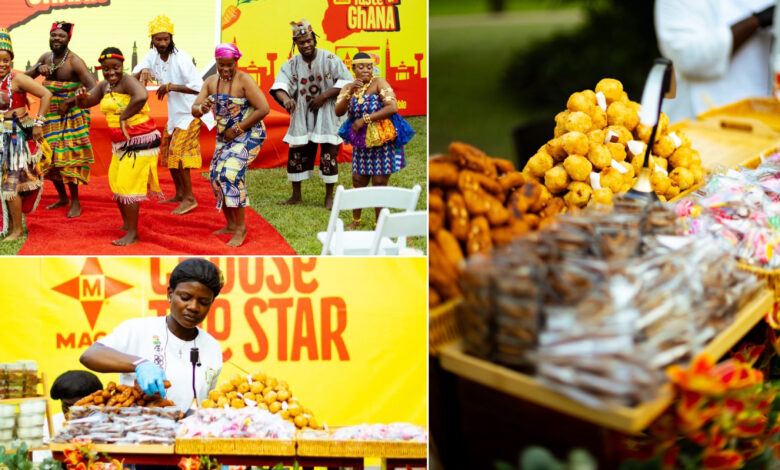
For decades, Ghana has sold itself to the world through its castles, wildlife, festivals and heritage. Nestlé Ghana believes the country’s next tourism opportunity may be found somewhere far more familiar: the local kitchen.
The company’s decision to embark on a nationwide culinary tour across all 16 regions goes beyond promoting its Maggi DꜪdꜪꜪdꜪ seasoning cube. It taps into a growing global trend where food has become a powerful economic asset, attracting travellers, supporting local businesses and preserving cultural identity.
From Thailand’s street food and Italy’s regional cuisine to Japan’s sushi culture, countries increasingly use indigenous dishes to strengthen tourism and national branding. Ghana’s rich culinary diversity presents a similar opportunity.
A Culinary Journey Across Ghana
Nestlé Ghana plans to travel through every region, showcasing indigenous dishes while highlighting the history, traditions and tourist attractions that define each destination.
For the company, the campaign is designed to increase awareness of Maggi DꜪdꜪꜪdꜪ and demonstrate how it enhances the taste of local meals. Yet its broader impact could extend well beyond consumer marketing.
“We are going on that journey through all the 16 regions of Ghana, trying all their ethnic foods,” said Mark Okyere-Mensah, Category Manager for Culinary Ghana at Nestlé Ghana.
“We will also visit tourist sites because every region has a unique heritage. The identity of each region will also be highlighted. It is therefore not only about Maggi as a brand but also about showcasing what every region contributes to Ghana.”
The strategy effectively connects cuisine with destination marketing, encouraging people to discover regions not only for their attractions but also for the meals that define them.
Food as an Economic Engine
Food tourism has evolved into one of the fastest-growing segments of the global travel industry.
Travellers increasingly seek authentic culinary experiences, local ingredients and traditional cooking methods, creating opportunities for communities beyond hotels and restaurants.
For Ghana, promoting regional dishes such as tuo zaafi, fufu, waakye, banku, etor, akple, ampesi, konkonte and seafood delicacies could stimulate demand across multiple sectors.
Every traditional meal supports farmers, fishermen, livestock producers, spice growers, transport operators, market traders, food processors, restaurants and hospitality businesses.
Greater interest in indigenous cuisine could also encourage investment in culinary schools, food festivals, agro-processing, packaged local foods and export-ready Ghanaian products.
More importantly, culinary tourism encourages visitors to travel beyond Accra and the major heritage sites, spreading tourism income into rural communities where many of these traditional recipes originated.
Protecting Culture Through Cuisine
Food remains one of the strongest expressions of cultural identity.
Every ethnic group preserves recipes, preparation techniques and ingredients that have been handed down through generations.
Nestlé believes celebrating these dishes also helps preserve Ghana’s cultural heritage.
“Taste of Ghana is about tasting the food from every region across Ghana,” Okyere-Mensah said.
Rather than replacing traditional cooking, the company is positioning Maggi DꜪdꜪꜪdꜪ as an ingredient that complements indigenous recipes while encouraging families to gather around meals.
“Our main aim as a brand is to ensure that families, friends and communities continue to enjoy memorable moments around food,” he said.
Local Ingredients, Local Identity
Nestlé says Maggi DꜪdꜪꜪdꜪ itself was developed around ingredients already familiar in Ghanaian kitchens.
According to Category Brand Manager Magherita Amon, the seasoning combines shrimp, fish and garlic, flavours commonly used across Ghanaian cuisine.
“We have brought together ingredients that people already know and cook with every day into one tablet,” she said.
The nationwide tour will also allow consumers to experience how the product complements different regional dishes while introducing audiences to the culinary traditions behind them.
A Soft-Power Opportunity for Ghana
Countries increasingly use food as part of their international branding and cultural diplomacy.
For Ghana, cuisine offers another avenue to deepen its appeal as a cultural tourism destination while creating opportunities for local businesses and agricultural producers.
If supported by tourism authorities, chefs, hospitality operators and regional festivals, Ghana’s culinary heritage could become a significant attraction in its own right, encouraging visitors to travel specifically to experience the country’s diverse food culture.
In the process, meals become more than nourishment. They become ambassadors of place, history and identity, capable of generating income while preserving traditions that define Ghana’s rich cultural landscape.