
West and Central Africa Roll Out Health Strategy Linking Care Access to Jobs and Growth
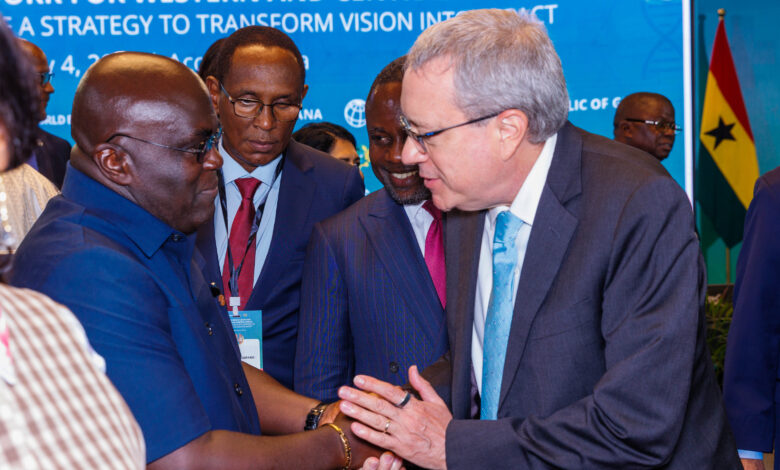
A high-level gathering of ministers and development partners in Accra has reinforced the case for health spending as a driver of both economic growth and social development, following the launch of a new regional strategy by the World Bank Group.
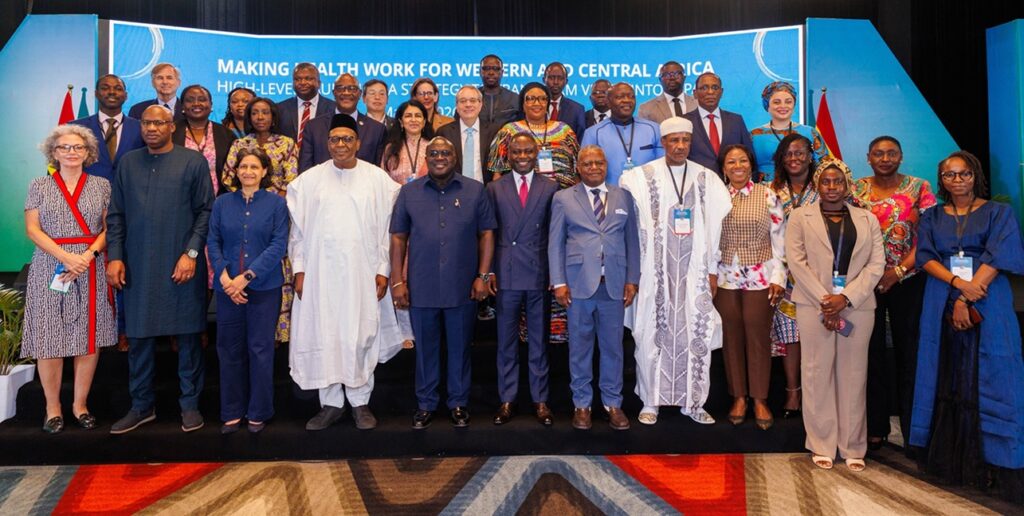
The one-day meeting brought together a dozen ministers of health and finance from Western and Central Africa, alongside representatives from the private sector, civil society, youth groups, and international partners, to accelerate progress on health, nutrition, and population outcomes across the region.
A New Regional Blueprint for Health and Growth
At the centre of discussions was the unveiling of “Fit to Prosper: Investing in Health for Jobs and Development in Western and Central Africa,” a country-driven roadmap designed to fast-track universal health coverage while positioning health as a foundation for economic expansion.
The strategy is built around three core pillars: strengthening frontline healthcare delivery, ensuring sustainable financing, and building resilient health systems capable of withstanding future shocks.
Beyond improving health outcomes, the framework underscores a broader economic argument, that investments in healthcare are critical to job creation, productivity, and long-term development.

Ghana Signals Strong Alignment
Ghana’s Chief of Staff, Julius Debrah, said the strategy aligns closely with the country’s national priorities, particularly its commitment to universal health coverage.
“By investing in health, we are investing in jobs, in stability, and in the future of Western and Central Africa,” he noted, adding that Ghana is ready to support implementation efforts across the region.
He stressed the need for a system where no citizen is denied access to quality care due to cost, and where maternal and child health outcomes are significantly improved.
Health Investment as Economic Strategy
Senior officials at the World Bank Group framed the initiative as both a development and economic imperative.
Mamta Murthi, Vice President for People, highlighted the long-term economic benefits of early health investments, particularly in maternal and child care.
She noted that improving health outcomes in the first 1,000 days of life plays a critical role in shaping future productivity, workforce readiness, and overall economic performance.
The strategy also aligns with broader global and regional targets, including reaching 200 million people in the region with quality, affordable health services by 2030, and supporting initiatives such as the Africa Initiative for Medical Access and Manufacturing.
Financing, Partnerships and Accountability
In a joint statement, participating ministers emphasised the need to optimise existing health spending while mobilising additional domestic resources to close financing gaps.
They called for the adoption of National Health Compacts, which aim to align governments, finance ministries, and development partners around a single, country-led plan with unified budgeting and reporting systems.
The meeting also highlighted the critical role of the private sector in delivering innovation, expanding service delivery, and building local manufacturing capacity for essential health products.
A Broader Development Imperative
Participants agreed that stronger health systems are essential to building resilient economies, particularly in a region facing rising population pressures, disease burdens, and climate-related health risks.
Development partners present included UNICEF, UK Foreign, Commonwealth and Development Office, and Japan International Cooperation Agency, reflecting broad international backing for the initiative.
From Survival to Prosperity
The overarching message from Accra was clear: health investment is no longer just about saving lives, it is central to building economies that can generate jobs, reduce poverty, and sustain growth.
As countries in Western and Central Africa look to the next phase of development, the success of the “Fit to Prosper” strategy will depend on how effectively governments translate policy commitments into measurable outcomes on the ground.