In classrooms across Ghana, a quiet crisis is taking root—one driven not by a lack of intelligence, but by a lack of nutrition. Beneath declining academic performance lies a deeper, often overlooked problem: many children are struggling to learn not because they lack ability, but because their bodies lack iron.
Emerging research from the University of Ghana is reframing what has long been seen as an educational challenge into a public health concern, with iron deficiency quietly eroding learning outcomes nationwide.

At the centre of this concern is a field study conducted between 2024 and 2025 in Kyekyewere in the Ayensuano district of Ghana’s Eastern region which revealed alarmingly high levels of anaemia among school-aged children.
According to Prof Matilda Steiner-Asiedu of the Department of Nutrition and Food Science and former Dean of the School of Biological Sciences at the University of Ghana, anaemia prevalence in the community reached as high as 78 percent—well above the already elevated national range of 60 to 70 percent.
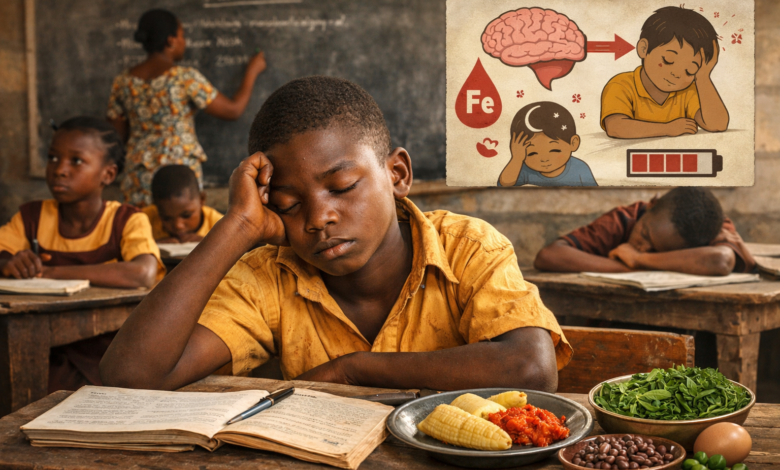
“The brain depends on blood, and iron is essential for blood formation,” she explained. “If a child is iron deficient, they cannot concentrate, they feel tired, and their ability to learn is compromised.”
A Learning Crisis Hidden in Plain Sight
In many classrooms, the signs are misunderstood. Children who struggle to focus or perform academically are often labelled slow or inattentive. But the research points to a different reality.
“Sometimes it is not that the child is not bright,” Prof Steiner-Asiedu said. “There is a primary cause—iron deficiency.”

The consequences are far-reaching. Iron deficiency reduces oxygen flow to the brain, leading to fatigue, headaches, and poor concentration. Over time, this translates into weak academic performance, slower progression through school, and diminished long-term prospects.
Diet at the Core
At the heart of the problem is poor dietary diversity.
Field observations in Kyekyewere show that many children depend on repetitive meals—often plantain with pepper sauce or staples with minimal protein and little iron-rich content. Even when iron-containing foods are consumed, absorption remains a challenge.
Elliot Annor-Asante, a nutrition researcher involved in the study, highlighted a critical gap.
“About 60 percent of the children were not consuming vitamin C, which is necessary to absorb iron from plant sources,” he said.
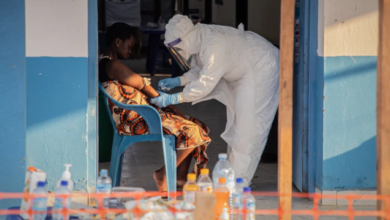
This means that even when children eat foods like beans or leafy vegetables, their bodies may not effectively utilise the nutrients. The situation is worsened by infections such as malaria and parasitic infestations, which further deplete iron levels.
From Classroom to Economy
The implications extend well beyond education.
Unchecked iron deficiency creates a cycle of poor academic outcomes, reduced productivity, and persistent poverty. Children who grow up anaemic are more likely to become adults with limited earning capacity, reinforcing intergenerational disadvantage.
“It becomes a cycle,” Prof Steiner-Asiedu warned. “The child grows up unable to learn, unable to work effectively, and the poverty continues.”
This directly intersects with Ghana’s commitments under global development targets, particularly those focused on quality education and poverty reduction.
The Cost Barrier
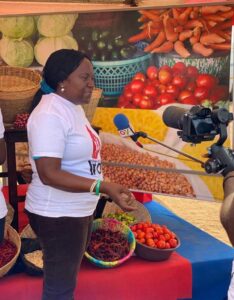
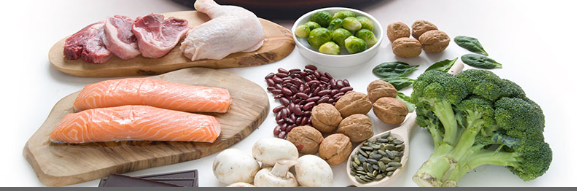
Iron-rich foods such as kontomire, turkey berries, beans, and other leafy greens are widely available, but affordability and access remain significant barriers.
During the dry season, vegetable prices can rise sharply, pushing nutritious options beyond the reach of low-income households. Families often resort to cheaper, less nutritious alternatives, deepening the problem.
“There is food around us,” Prof Steiner-Asiedu noted. “But it is either not accessible, not affordable, or not properly utilised.”
Flashback: Nestlé Ghana Limited’s Iron Campaign
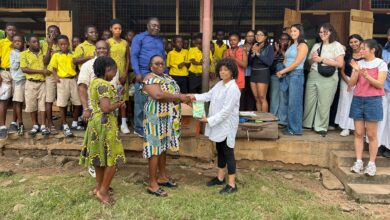
The urgency of the issue is not new. In 2019, Nestlé Ghana launched a nationwide Iron Deficiency Awareness Campaign to educate the public on the importance of proper nutrition.
At the time, then Managing Director Philomena Tan said the initiative formed part of a broader global goal to help 50 million children lead healthier lives by 2030.
With just a few years remaining, questions are emerging about whether Ghana is on track to make meaningful progress.
Recent efforts to revive and expand the campaign signal renewed commitment, a move experts say is both timely and necessary. However, Prof Steiner-Asiedu cautions that such interventions must be sustained.
“It was an excellent initiative, and we saw results where it was implemented,” she said. “But behaviour change takes time. It cannot be a one-off effort.”
She also pointed to earlier limitations in outreach, particularly language and media barriers, stressing the need for more inclusive and widespread communication strategies.
A Policy and Mindset Shift
Experts argue that Ghana’s nutrition challenge is not simply about food availability, but about knowledge, choices, and systems.
Diets are not inherently deficient, but how food is selected, combined, and consumed remains a critical issue. Cultural habits, limited nutrition education, and economic constraints all contribute.
Addressing the problem will require a coordinated approach that links agriculture, health, education, and policy.
From Awareness to Action
The findings from Kyekyewere highlight a critical reality: Ghana’s education challenges cannot be solved in classrooms alone.
They must also be addressed in kitchens, markets, farms, and health systems.
Because behind many struggling students is not a lack of intelligence, but a lack of iron.
And until that gap is closed, Ghana risks leaving thousands of capable minds behind—not because they are unable, but because they are undernourished.