UN Releases $60M Emergency Funding as Ebola Outbreak Raises Regional Alarm
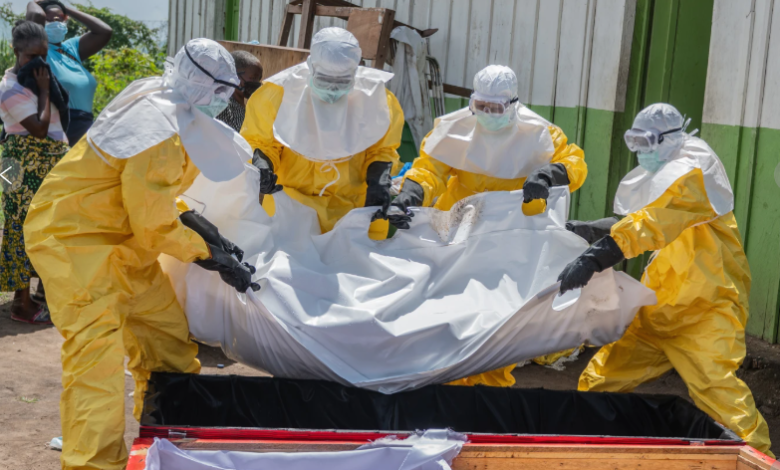
The United Nations (UN) is deploying up to $60 million in emergency funding to contain a worsening Ebola outbreak in Central and East Africa, as humanitarian officials warn that conflict, population movement and the absence of approved vaccines for the current strain are complicating response efforts.
In a statement, UN Under-Secretary-General for Humanitarian Affairs and Emergency Relief Coordinator Tom Fletcher said the funds from the UN Central Emergency Response Fund would be used to accelerate operations in the Democratic Republic of the Congo and neighboring countries facing heightened exposure risks.
“We need to get ahead of this Ebola outbreak,” Fletcher said, describing the situation as one of the most difficult humanitarian operating environments globally.
The outbreak involves the Bundibugyo strain of Ebola, for which there are currently no licensed vaccines or treatments, a factor health officials say significantly raises the complexity and urgency of containment efforts.

The World Health Organization, led by Director-General Tedros Adhanom Ghebreyesus, is coordinating the international health response, while UN humanitarian agencies are mobilizing personnel and supplies across affected areas.
The crisis is unfolding against a backdrop of armed conflict and large-scale population movement across parts of Central Africa, conditions that humanitarian officials say could accelerate transmission and limit access to vulnerable communities.
Fletcher warned that aid agencies require unrestricted movement by air, land and water to sustain frontline operations, particularly in territories controlled by armed groups.
“It is essential that there is no obstruction of our response,” he said.
The outbreak has already triggered heightened regional coordination involving the Uganda and South Sudan, where UN teams are reinforcing surveillance and preparedness measures amid concerns over cross-border spread.
Health responders are drawing heavily on lessons from previous Ebola outbreaks, particularly the importance of rapid community-level containment, early detection systems and public trust.
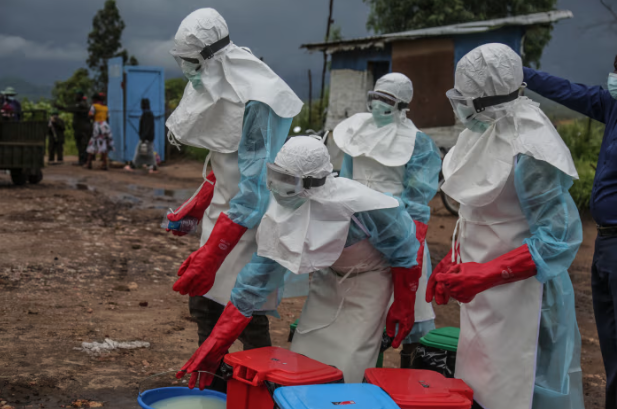
UN officials say the response strategy will prioritize community engagement and civilian-led humanitarian delivery, while avoiding heavily militarized approaches that in past outbreaks sometimes fueled mistrust and resistance.
The humanitarian community is also increasing efforts to preposition medical supplies and strengthen communication with local authorities and affected populations.
Fletcher acknowledged financial support from the United States, which he said had moved quickly to support the response.
Additional personnel from key UN agencies and partner organizations are expected to deploy over the weekend as containment operations intensify.
The outbreak now represents another major test for regional health systems already under pressure from conflict, displacement and fragile infrastructure, while global health officials race to prevent a wider humanitarian crisis.