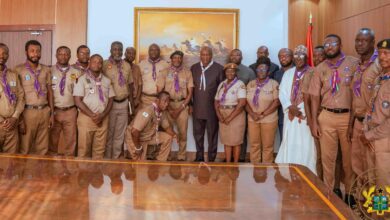
Ghana Scouts Link Child Safeguarding to Healthier Communities
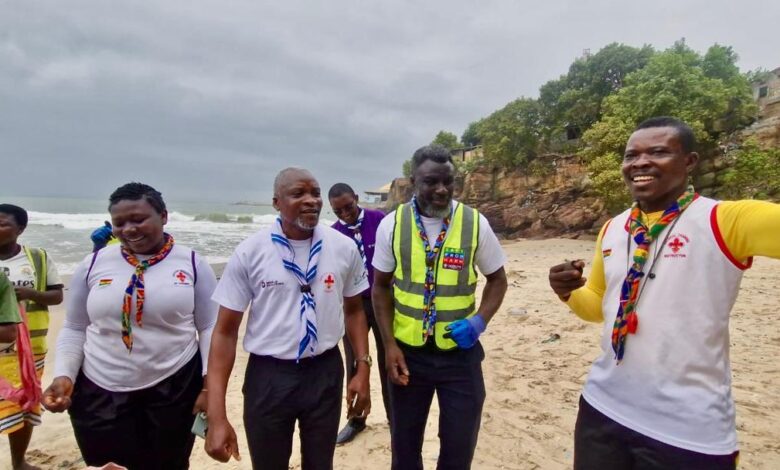
The Ghana Scout Association (GSA) is linking the protection of young people to the condition of the communities in which they live, as it moves its “Safe from Harm” programme beyond training and into community action.
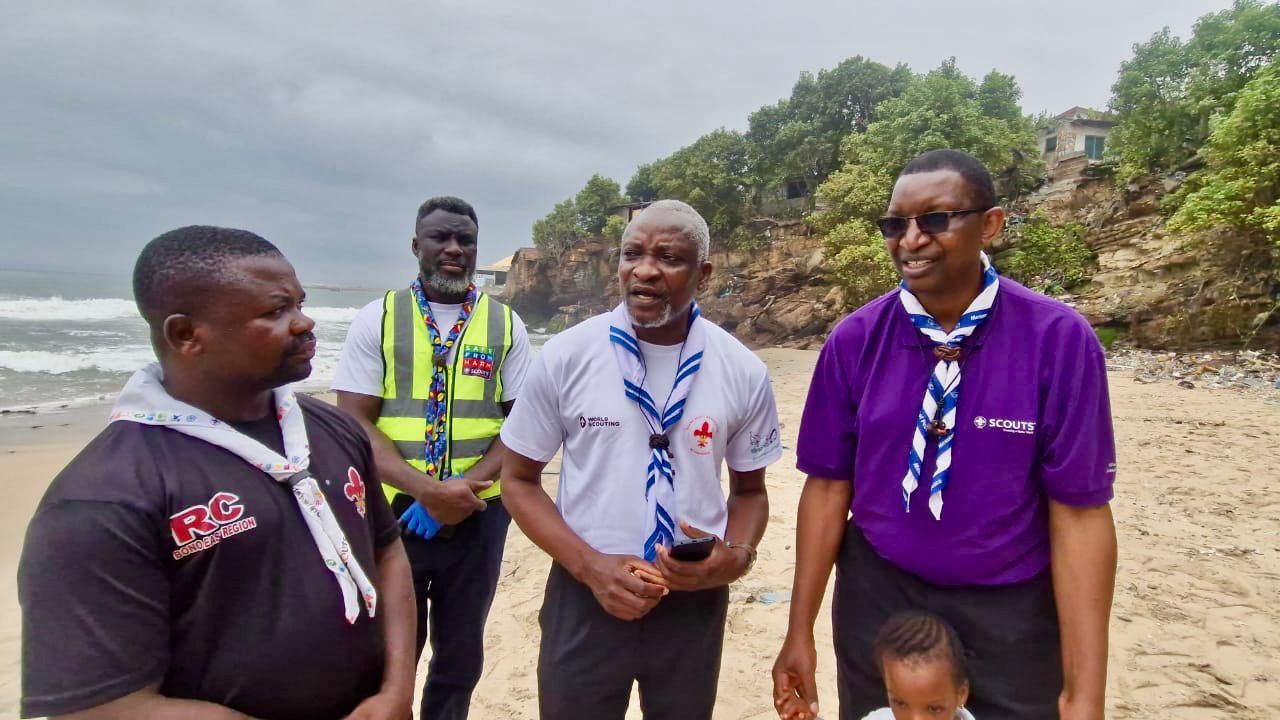
The Association, as part of activities marking the final day of its Safe from Harm Capacity Enhancement Training held a beach clean-up exercise in Accra.
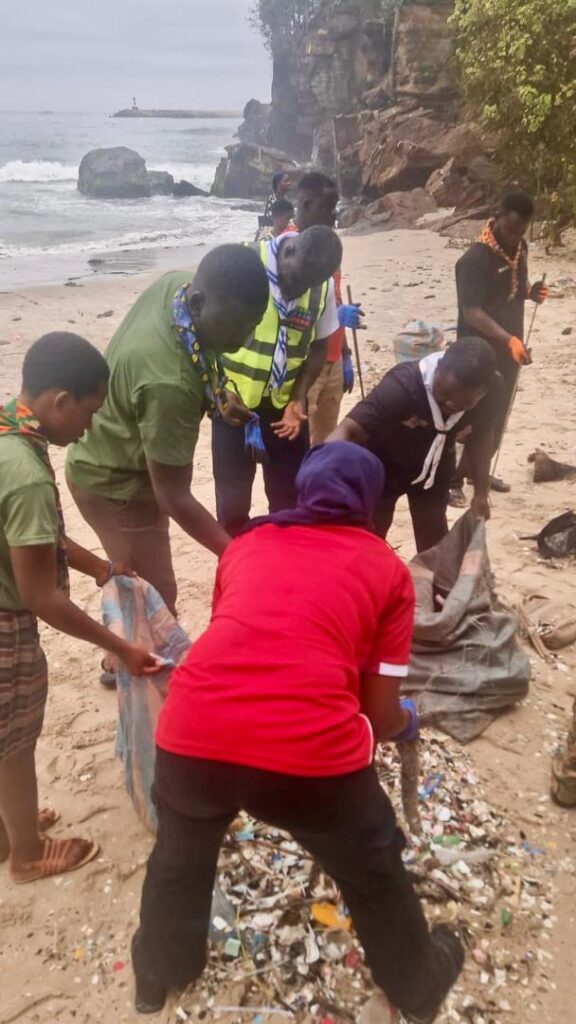
The exercise, organised in collaboration with Wɔn beꜪ Ga, brought together Scout leaders and youth representatives to put into practice lessons from the safeguarding programme.
The training focused on preventing harm to children and young people, recognising risks, reporting concerns and responding appropriately when incidents occur.
But for the GSA, safeguarding cannot end with protecting young people within Scout activities. The wider environment in which children grow up also affects their health, safety and wellbeing.
The beach clean-up was therefore used to demonstrate how the principles of responsibility and service can be applied to problems affecting communities.
Chief Commissioner of the Ghana Scout Association, Hilary Y. Awusie, led the exercise alongside Youth Program Commissioner Shaibu Fenteduah Fuseni, National Safe from Harm Coordinator Prince Akese, National Training Commissioner Holly Boadi and World Organization of the Scout Movement consultant Eric Mwanda Gitonga.
The initiative reflects a broader role the Association wants Scouting to play in community development, particularly by giving young people opportunities to identify problems around them and take part in solving them.
Environmental degradation is increasingly becoming a concern for communities along Ghana’s coast, where plastic and other waste can affect public health, marine ecosystems and the livelihoods that depend on coastal resources.
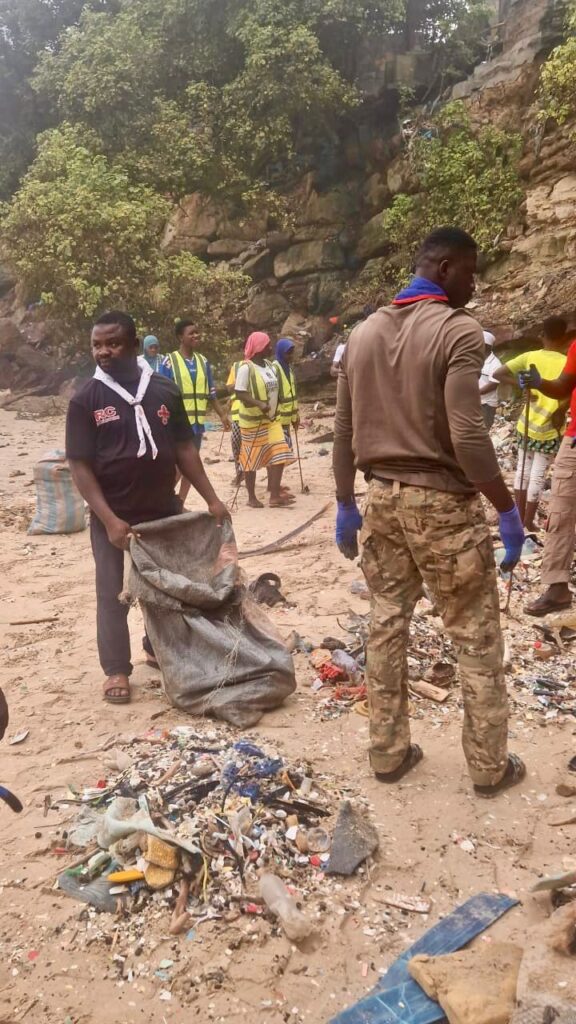
For the Scouts, community service offers a practical way of getting young people involved in addressing such challenges rather than treating environmental protection as an issue for government and environmental organisations alone.
The clean-up also reflects the Scout Movement’s emphasis on learning through practical experience. Participants were able to apply values such as leadership, teamwork, responsibility and service to a problem they could see directly in their community.
The Association believes this approach can help young people develop a stronger sense of responsibility for their surroundings while building the confidence and leadership skills needed to participate in community development.
The exercise also brought together safeguarding and environmental action, two issues that are often treated separately.
A child’s safety is not only determined by whether they are protected from abuse or exploitation. Access to clean and healthy surroundings can also influence their wellbeing and the quality of life within their communities.
The GSA is seeking to build on this approach by using its network of young people and adult volunteers to support community initiatives in environmental protection, sanitation, health, climate action and volunteer service.
The Association says stronger collaboration with community groups, businesses, development partners and other institutions could expand the reach of such initiatives.
For the Scouts, however, the immediate value of the exercise lies in giving young people the opportunity to move from learning about responsibility to practising it.
The beach clean-up was a small community intervention, but it reflects a wider ambition for Scouting in Ghana: to develop young people who are not only protected from harm but are also equipped to identify problems, serve their communities and take responsibility for the environment around them.