
UNDP Backs Community-Led Green Revolution to Restore the Black Volta Basin and Lift Rural Livelihoods
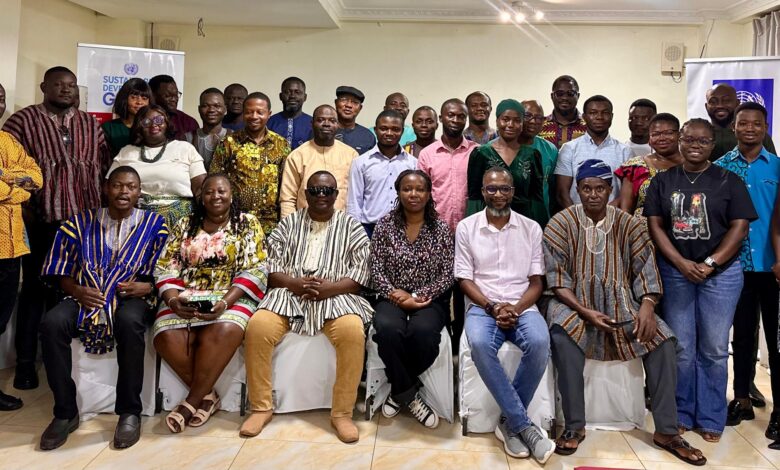
For many communities living along Ghana’s Black Volta Basin, the environment is more than scenery. It is their farm, fishing ground, source of drinking water and primary means of survival. When forests disappear, rivers dry up or land becomes degraded, livelihoods disappear with them.
Recognising this close connection between people and nature, the United Nations Development Programme (UNDP) has launched a new initiative that places local communities at the centre of protecting the environment while improving their quality of life.
Through the Global Environment Facility (GEF) Small Grants Programme, UNDP is providing US$457,000, approximately GH¢5 million, to support 18 community-led projects across the Savannah, Bono and Upper West regions.
Rather than imposing solutions from outside, the programme empowers local civil society organisations and community groups to lead projects that address environmental challenges while creating opportunities for families to earn sustainable incomes.
Communities Become Custodians of Their Environment
The projects will focus on restoring degraded lands, protecting biodiversity, improving food production, promoting climate-smart agriculture, conserving wetlands and introducing cleaner sources of energy.
Communities will also receive support to strengthen sustainable farming practices, improve fisheries, restore forests and develop livelihood activities that reduce pressure on natural resources.
By allowing local people to design and implement the projects themselves, UNDP believes environmental protection becomes more sustainable because communities have a direct stake in preserving the resources on which they depend.
Protecting Nature While Fighting Poverty
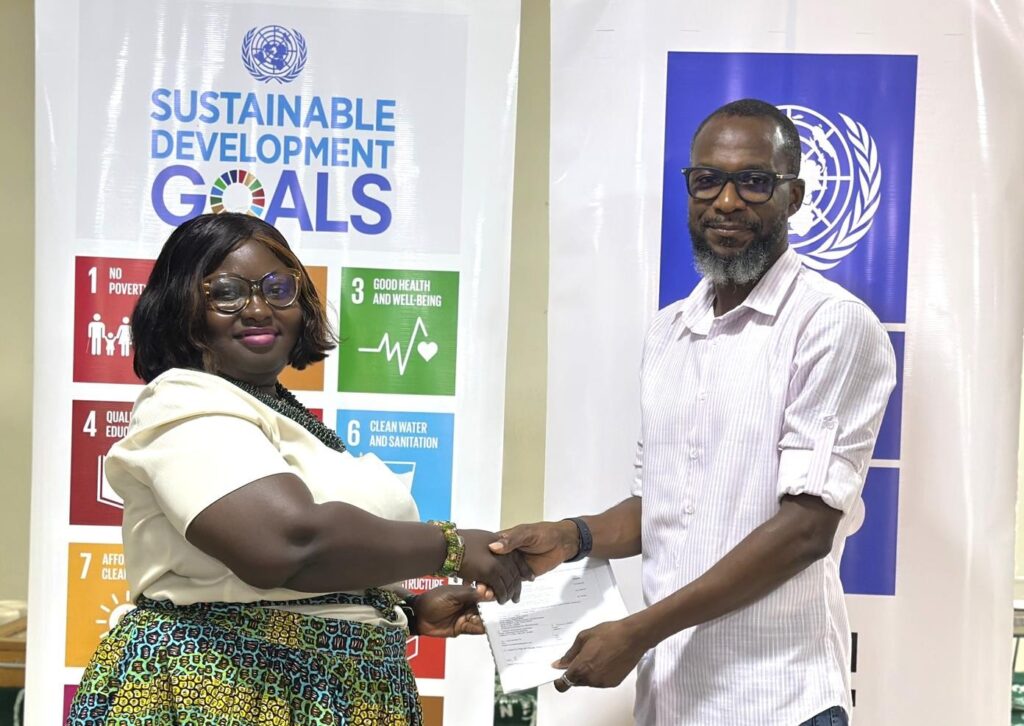
Head of Environment and Climate at UNDP Ghana, Dr. Abdul Razak Saeed, said investing in community leadership offers one of the most effective ways to achieve lasting development.
“Innovative financing is transforming the way development is delivered. It is shifting us beyond traditional aid models and positioning civil society organisations as strategic partners that connect communities to sustainable development outcomes and long-term impact,” he said.
He explained that when communities are empowered with resources and technical support, they become active partners in protecting ecosystems while improving household incomes.
Building Stronger Communities
Beyond environmental restoration, the programme seeks to improve the resilience of rural communities facing increasing climate pressures.
Changing rainfall patterns, land degradation and declining agricultural productivity continue to threaten food security in many parts of northern Ghana.
The projects aim to reverse these trends by encouraging farming methods that protect soils, conserve water and increase agricultural productivity without damaging the environment.
The initiative also promotes greater participation by women, young people, persons with disabilities and indigenous communities, ensuring that development benefits reach those who often face the greatest economic challenges.
Local Organisations Driving Local Solutions
Finance and Operations Manager of the Tuna Women Development Project, Louis Kuuyebir, described the programme as an important opportunity for communities to shape their own future.
“We are grateful to UNDP Ghana, the GEF Small Grants Programme and our partners for this investment in community-led action. This support will strengthen our efforts to protect the environment, improve livelihoods and build a more resilient future for communities across the Black Volta Basin,” he said.
Investing in Future Generations
The projects, which will run until mid-2028, are expected to restore damaged ecosystems, improve food security, strengthen climate resilience and expand livelihood opportunities for thousands of people living along the Black Volta Basin.
More importantly, the initiative demonstrates that sustainable development begins at the community level.
When local people are equipped with the resources, knowledge and confidence to protect the environment, they also strengthen their own futures.
For the families living along the Black Volta Basin, the programme is not simply about conserving nature. It is about ensuring that the land, forests and rivers continue to support livelihoods, nourish communities and provide hope for generations to come.