BoG Holds Key Rate at 14% as Middle East Crisis Erodes Ghana’s Dollar Reserves
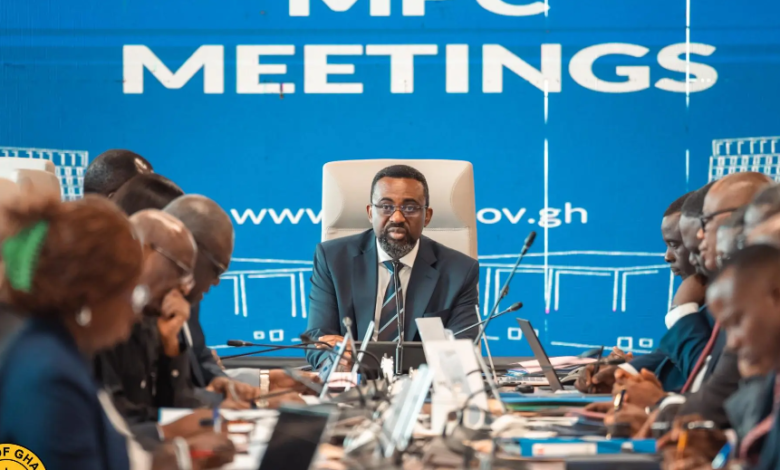
The Bank of Ghana has kept its benchmark Monetary Policy Rate unchanged at 14 percent, citing rising geopolitical tensions in the Middle East, renewed risks to inflation and the need to preserve macroeconomic stability despite strong domestic economic growth.
Announcing the Monetary Policy Committee’s (MPC) decision, Governor Dr. Johnson Pandit Asiama said the committee unanimously agreed to leave the policy rate unchanged to give policymakers time to assess the impact of escalating global risks on Ghana’s economy.
Dollar Reserves Fall on Higher Energy Bills
One of the clearest signs of the external pressure facing the economy was a decline in Ghana’s gross international reserves.
At the end of June, reserves stood at US$12.9 billion, equivalent to five months of import cover, down from US$13.8 billion, or 5.7 months of import cover, recorded at the end of December.
The Governor attributed the decline largely to increased payments for imported energy following the Middle East conflict, which has disrupted global energy markets.
Despite the reduction, he said Ghana still holds sufficient reserves to cushion the economy against external shocks.
Cedi Under Pressure but Shows Signs of Recovery
The Governor disclosed that the cedi experienced increased demand pressures in the interbank foreign exchange market in May but has since stabilised.
Between January and July 2026, the cedi recorded a 9.5 percent depreciation against the US dollar.
The Bank believes continued improvements in Ghana’s trade balance and the current reserve position should strengthen the country’s ability to navigate global uncertainty.
Global Risks Cloud Inflation Outlook
According to the MPC, the renewed conflict in the Middle East has increased volatility in global energy markets, disrupted trade routes and raised concerns about global supply chains.
These developments have pushed up energy prices and prompted several central banks around the world to slow or pause interest rate cuts amid renewed inflation risks.
The Bank warned that prolonged geopolitical tensions could tighten global financing conditions and negatively affect emerging and developing economies through trade and financial channels.
Domestic Economy Continues to Strengthen
While global conditions remain uncertain, the MPC said Ghana’s domestic economy continues to show resilience.
The committee pointed to strong first-quarter GDP growth, improving business and consumer confidence, easier credit conditions and significant growth in private sector lending as factors expected to support economic activity in the months ahead.
Inflation Near Target but Risks Remain
The Bank noted that inflation has moved closer to the lower end of its medium-term target range, largely because of favourable base effects.
Although inflation expectations and core inflation have edged up slightly, they remain broadly within the target band.
The MPC expects inflation to rise gradually within the target range but warned that possible increases in utility tariffs, together with higher crude oil prices resulting from Middle East tensions, remain significant upside risks.
At the same time, continued fiscal discipline and an appropriate monetary policy stance are expected to help contain inflationary pressures.
Why the Rate Stayed Unchanged
Given the balance of risks, the MPC concluded that maintaining the policy rate at 14 percent remains the most appropriate course of action.
The Bank said the current stance will help keep inflation within target while allowing policymakers time to monitor how geopolitical developments evolve and assess their potential impact on Ghana’s economy.