From Dialogue to Delivery: Why AHAIC 2027 Matters for Africa and the World
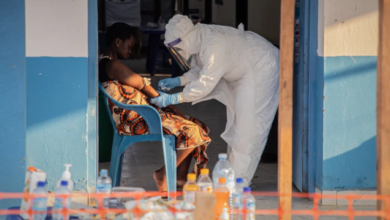
Africa’s health systems are facing a new set of pressures as countries contend with changing sources of health financing, climate-related risks, rising non-communicable diseases and shortages of health workers.
At the same time, new technologies, including artificial intelligence and digital health, are creating opportunities to improve how healthcare is delivered, even as many countries continue to struggle with gaps in infrastructure and access.
These pressures are raising a fundamental question for African countries: how can they build health systems that are strong enough to respond to immediate needs while remaining sustainable over the long term?

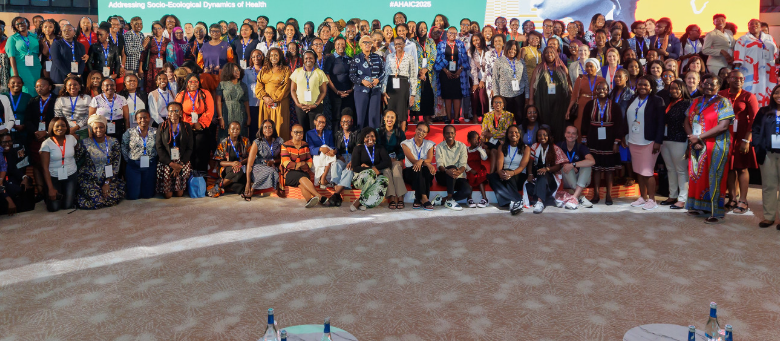
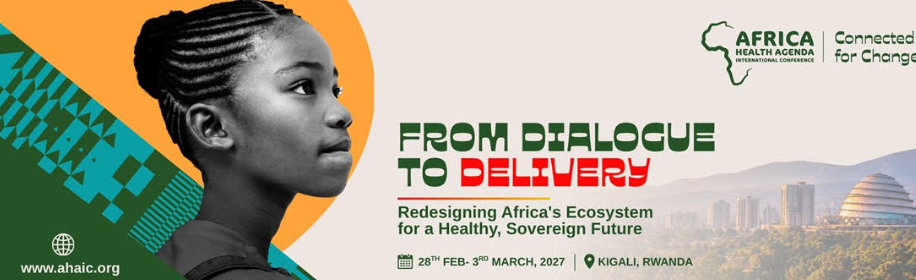
That question will be central to the Africa Health Agenda International Conference (AHAIC) 2027, which will bring governments, health workers, researchers, communities, development partners, investors, innovators and the private sector to Kigali, Rwanda, from February 28 to March 3, 2027.
The conference, convened by Amref Health Africa, Africa CDC, WHO AFRO and Rwanda’s Ministry of Health, will be held under the theme, “From Dialogue to Delivery: Redesigning Africa’s Ecosystem for a Healthy, Sovereign Future.”
Financing health beyond donor support
One of the biggest challenges facing African health systems is how to maintain essential services as traditional development assistance becomes less predictable.
Governments are already balancing health spending against competing demands on limited public resources. For many countries, the challenge is not simply increasing health budgets, but finding more reliable ways to finance services and use existing resources more effectively.
AHAIC 2027 will therefore examine options for stronger domestic investment and more sustainable health financing, while considering how governments, development partners and the private sector can work together to close persistent gaps.
The discussion also comes down to what happens before people reach a hospital.
Preventing illness through vaccination, nutrition, healthier environments, community health and early diagnosis can reduce pressure on health facilities while helping households avoid the economic consequences of illness.
For families living on tight incomes, a serious illness can mean medical costs, lost earnings and children missing school. Stronger primary healthcare and prevention can therefore have economic benefits as well as health benefits.
What health sovereignty means for Africa
The conference will also examine what greater health sovereignty could mean in practical terms.
For African countries, this includes having greater capacity to set health priorities, develop and retain skilled workers, generate and use data, strengthen local innovation and build some of the products and capabilities their health systems need.
But greater self-reliance does not mean working alone.
Pandemics, antimicrobial resistance, climate-related health threats and emerging technologies cross national borders, making international cooperation essential.
The challenge is therefore to build partnerships that give African countries greater influence over their priorities while maintaining the international collaboration needed to address shared health threats.
This could mean moving beyond traditional donor-recipient arrangements towards partnerships based on shared priorities, investment, knowledge exchange and mutual accountability.
Africa’s solutions can travel
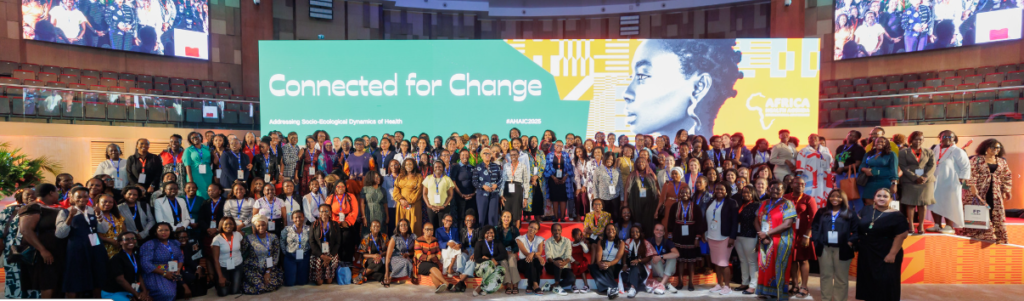
AHAIC 2027 will also provide a platform for African innovations in areas including community healthcare, digital health, disease prevention, health financing and climate resilience.
Some of these approaches have emerged from necessity, with countries finding ways to deliver healthcare despite limited resources and difficult operating environments.
Those experiences could offer useful lessons beyond Africa, particularly for countries facing similar pressures around healthcare costs, workforce shortages and access.
The conference will therefore come at an important moment for global health. Africa is seeking greater capacity to finance and shape its own health priorities, while many of the challenges facing its health systems require cooperation that extends beyond national borders.
The focus in Kigali will be on how those two realities can work together, and whether dialogue can translate into practical changes that make health systems more resilient, sustainable and responsive to the people they serve.
It is an opportunity for the world to engage with Africa as a source of leadership, knowledge and innovation and for African and international partners to jointly explore what a more equitable and effective future for global health could look like. Learn more about AHAIC 2027 and register to attend.