Banks Trained to Improve SME Lending in Ghana
Banks and finance houses are being equipped with new approaches to assess and finance small and medium-sized enterprises (SMEs), as industry stakeholders seek to address lending barriers linked to weak financial records, cash-flow management and limited business readiness.
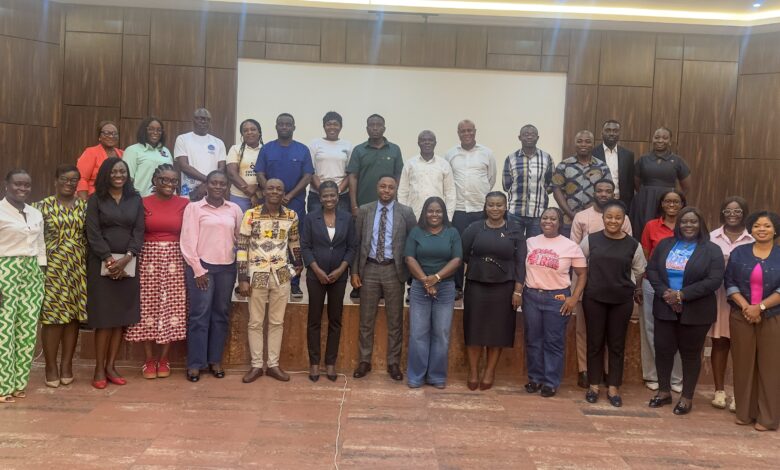
The Chartered Institute of Bankers, Ghana (CIB Ghana), in partnership with the Ghana Investment Support Programme (GhISP), organised a two-day workshop in Accra on October 15 and 16, 2026, to strengthen financial institutions’ capacity to deliver gender-responsive, climate-smart and inclusive financing to SMEs.
The programme brought together SME portfolio managers from banks and selected finance houses to explore ways of improving credit assessment and designing lending products that respond to the realities of smaller businesses without compromising commercial viability.
One participant said traditional lending assessments could overlook viable businesses that lack the financial records and formal structures banks typically require.
The workshop, the participant said, offered practical ways to assess businesses through their cash flows, business models and other indicators of viability, which could help institutions structure financing around the needs of SMEs.
SMEs play a significant role in Ghana’s economy through employment, innovation and business activity. However, limited access to finance remains a challenge for many, particularly those with weak financial records, inadequate governance systems, poor cash-flow management and limited investment readiness.
Rethinking SME credit assessment
The workshop focused on strengthening the ability of lenders to assess SME risks and identify viable businesses that may not meet conventional lending criteria.
Participants examined SME business models, governance and risk assessment, credit analysis and cash-flow-based lending. The sessions also covered gender-smart finance, inclusive product design, climate risk and green financing for SMEs.
These approaches are intended to help lenders look beyond conventional financial documentation and assess a wider range of factors when determining whether a business can repay a loan.
Integrating climate considerations into lending decisions is also becoming important as financial institutions assess the risks and opportunities associated with businesses affected by changing environmental conditions and the transition to more sustainable economic activity.
The programme combined expert presentations with practical case studies, group discussions and experience sharing, allowing participants to apply the concepts to lending and portfolio-management situations within their institutions.
Building capacity for inclusive lending
CIB Ghana and GhISP said the workshop forms part of a broader initiative to improve the quality of SME lending, strengthen financial inclusion and encourage lenders to incorporate climate considerations into financing decisions.
Speaking on the expected impact, CIB Ghana Chief Executive Officer Robert Dzato said strengthening the capacity of financial institutions to adopt sound, inclusive and sustainable lending practices was essential to improving SMEs’ access to finance and supporting their long-term growth.
He said the institute remained committed to equipping banking professionals with the knowledge and skills needed to make informed financing decisions that support SME development and Ghana’s economic growth.
At the end of the workshop, participating institutions were encouraged to apply the lessons in their credit assessment processes, product development, portfolio management and engagement with SMEs.
The Accra programme is the first of two ecosystem workshops under the initiative. A second workshop is scheduled for Kumasi in November 2026.
The extent to which the training improves access to finance will depend on how participating institutions translate the lessons into lending policies and products, and whether these changes enable more viable businesses, including women-led and climate-responsive enterprises, to secure appropriate financing.