One in Three Ebola Cases in DRC Detected Only After Death, WHO Warns
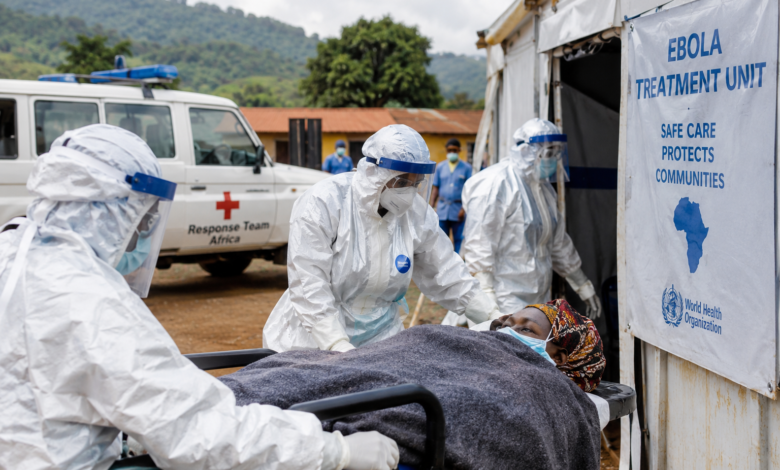
About one in every three new Ebola cases in the Democratic Republic of Congo is being identified only after the patient has died in the community, highlighting delays in detecting and treating infections.
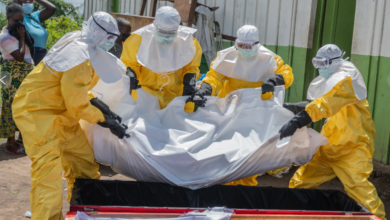
Dr Marie-Roseline Belize, Regional Emergency Director for the WHO African Region, said the deaths also create opportunities for the virus to spread among relatives, caregivers and others involved in burial activities.
She made the disclosure during a WHO/AFRO media briefing on the Ebola outbreak caused by the Bundibugyo virus and other health emergencies in the region.
The outbreak was declared over 131 days ago and had recorded more than 7,700 cases and 3,700 deaths, according to the WHO.
While response efforts have been stepped up, the outbreak remained active across seven provinces, with cases moving in different directions.
Children among those most at risk
Children under five are recording the highest fatality rates, with more than 60% of confirmed cases in the age group resulting in death, compared with about 40% among adults, Dr Belize said.
Children are also accounting for a disproportionate share of deaths occurring in communities and in health facilities where Ebola is not recognised early enough.
She said the figures made early identification and prompt access to treatment particularly important for young children.
“Early detection saves lives,” Dr Belize said, adding that WHO was working with communities to identify suspected cases, address misinformation and ensure patients are referred for care quickly.
Cases falling in some areas, rising in others
The outbreak is not following the same pattern across affected provinces.
Between August 31 and September 20, cases fell by about 26% in Ituri and 15% in Howele. In North Kivu, however, cases increased by 73% over the same period.
Dr Belize said the contrasting trends showed that the outbreak was still not under control and that each affected province required a response suited to its transmission pattern.
Contact follow-up has reached almost 88%, but a significant number of new infections are still being detected without a known epidemiological link.
Health teams are working to close that gap by finding cases earlier and tracing people who may have been exposed.
Treatment capacity expanded
WHO and its partners have expanded treatment and testing capacity, with nearly 1,400 treatment and isolation beds available across 49 Ebola treatment centres.
The response also has 25 laboratories capable of processing up to 3,500 tests each day.
But Dr Belize said infrastructure alone would not stop the outbreak.
Communities are being brought into the surveillance effort through community-based reporting, while health authorities are also working more closely with private health providers and traditional healers.
One example is the Taksimoto Alert Programme in Ituri, which is being used to help identify and report suspected cases more quickly.
Other health needs remain
The Ebola response is also being carried out alongside routine health services.
Dr Belize said the focus on Ebola should not prevent women from accessing safe childbirth services, children from receiving routine vaccinations or patients with malaria and other illnesses from getting treatment.
The WHO’s immediate priorities include maintaining progress in areas where infections are falling, strengthening the response in North Kivu and other emerging hotspots, improving early detection and reducing deaths occurring in communities.
Cross-border preparedness will also remain important given the geographical spread of the outbreak.
Dr Belize said progress was possible but remained fragile, and called for continued support to sustain the response until transmission is brought to an end.