
ATU, Nestlé Seal Deal to Boost Female Engineering Talent Pipeline in Ghana
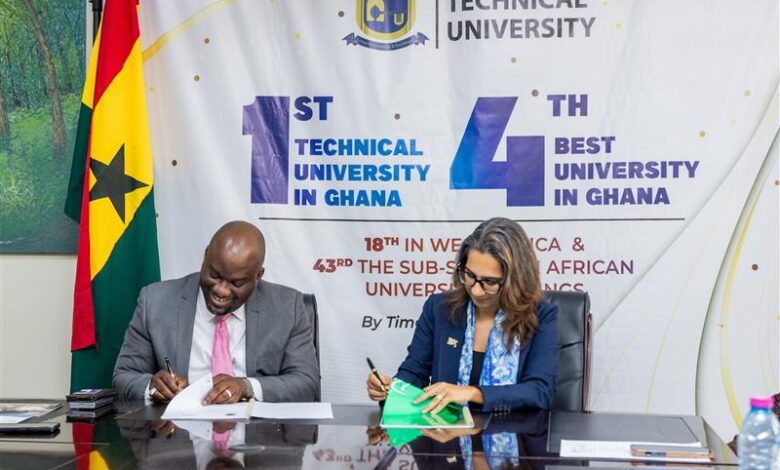
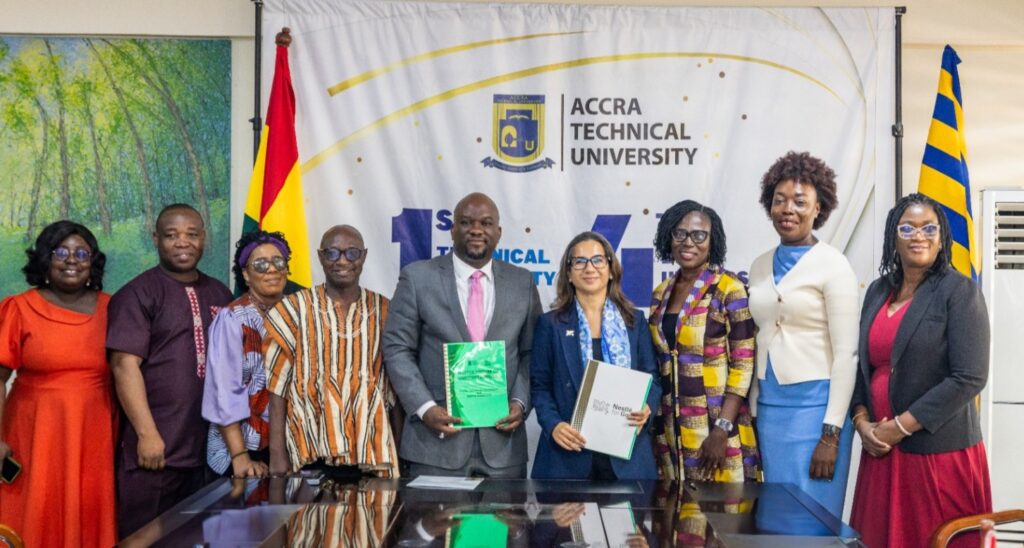
Ghana’s push to close the gender gap in engineering is taking a practical turn, with Accra Technical University entering a strategic partnership with Nestlé Ghana Limited to equip students especially women with industry-ready skills.
The Memorandum of Understanding (MoU), aligned with the spirit of International Women’s Day, anchors female engineering students at the heart of a structured training, mentorship and career development pathway designed to narrow the gap between classroom learning and industrial practice.
From advocacy to implementation
Managing Director of Nestlé Ghana, Salome Azevedo, said the initiative reflects a deliberate shift from discussion to delivery.
“We are moving beyond promises to real action in addressing the gender gap in engineering,” she noted, adding that the programme is aimed at developing confident, capable women ready to take up roles in industry.
She emphasised that the collaboration is not symbolic, but a targeted intervention to build technical competence and improve employability among female engineers.
Inside the training model
Central to the agreement is the placement of ATU students into Nestlé’s technical training ecosystem, where academic knowledge is reinforced with hands-on industrial experience.
The programme will focus on students in mechanical, electrical and electronic engineering, offering:
- Blended theoretical and practical instruction
- Structured internship placements
- Mentorship and career guidance
- Exposure to real production systems, teamwork and project execution
Each cycle will run for three to six months, with up to 20 students per intake. Participants will receive certification at the end of the programme and may be considered for roles within Nestlé.
The design, according to organisers, is to ensure graduates leave school not just qualified, but immediately deployable.
Aligning skills with industry demand
Vice Chancellor of ATU, Amevi Acakpovi, highlighted the urgency of aligning technical education with labour market needs.
“As a TVET institution, we train both the mind and the hand,” he said, stressing that partnerships with industry are essential to delivering relevant, job-ready graduates.
He acknowledged constraints such as limited infrastructure and specialised training capacity within universities, noting that industry collaboration helps bridge those gaps.
Strengthening technical education outcomes
With a student population of about 36,000, ATU remains a major hub for technical education in Ghana, with programmes spanning engineering, applied sciences, business and the built environment.
The university has consistently ranked among the top technical institutions in Sub-Saharan Africa, and management believes the Nestlé partnership will deepen practical training opportunities, particularly within its engineering faculty.
Creating a talent pipeline
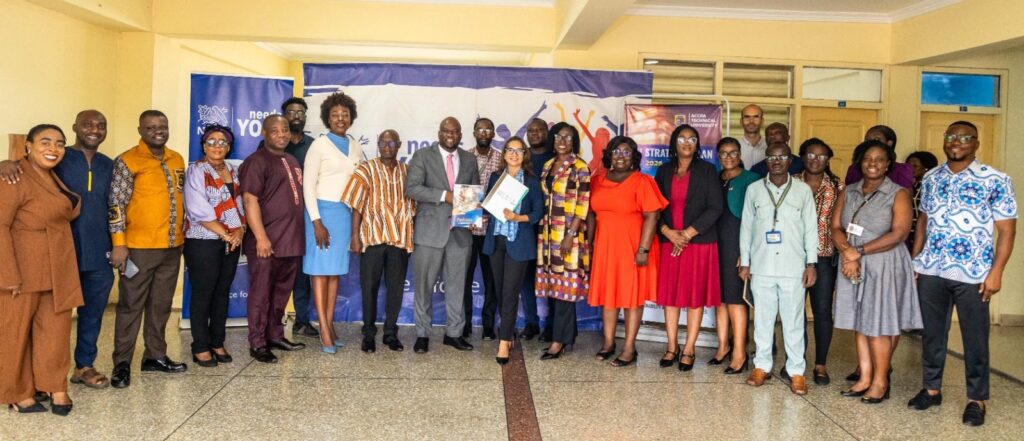
Beyond training, the partnership is positioned as a pipeline for developing skilled engineers to support Ghana’s industrial growth.
For Nestlé, it offers early access to a pool of trained graduates familiar with industry processes. For students especially women it provides critical exposure, mentorship and a clearer transition into engineering careers.
Reframing the skills agenda
As concerns grow over youth unemployment and skills mismatches, the ATU–Nestlé collaboration underscores a shift toward more intentional, industry-driven training models.
By integrating technical education with real-world experience and prioritising female participation the initiative signals a broader effort to transform how Ghana prepares its workforce for the demands of modern industry.