
Gnassingbé’s 48-Hour Border Directive Puts AfCFTA’s Real Trade Barriers Under Fresh Scrutiny
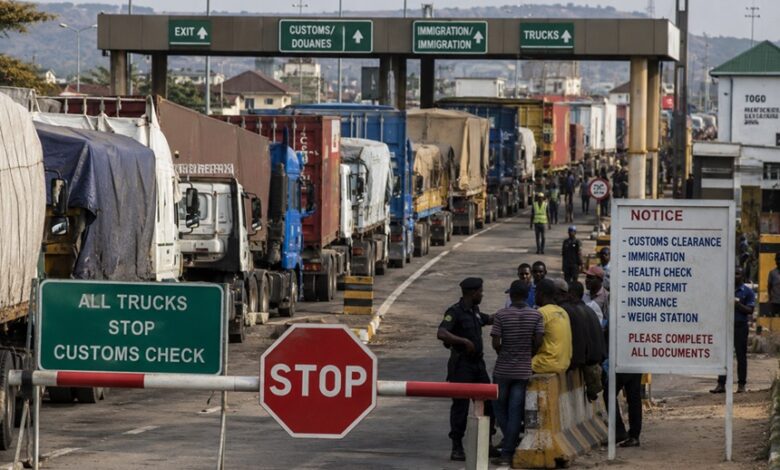
A direct order by Faure Essozimna Gnassingbé for security authorities to resolve border delays within 48 hours has sharply refocused attention on one of Africa’s most persistent obstacles to regional trade integration: the slow and often frustrating movement of goods and people across borders.
The announcement, made during the ongoing Biashara Afrika 2026 summit, immediately drew applause from delegates, reflecting growing frustration among businesses, freight operators and investors over the continued existence of trade bottlenecks despite the launch of the African Continental Free Trade Area.

“Even today, logistics costs in the region remain among the highest in the world. Non-tariff barriers persist. Border delays continue to slow trade,” President Gnassingbé told participants at the summit.
“I thank our two friends from Nigeria and the President of Afreximbank for pointing out our shortcomings, and I ask the Minister of Security to resolve this issue within 48 hours,” he added.
The statement struck a chord because it directly addressed concerns repeatedly raised throughout the forum: that Africa’s trade ambitions continue to collide with operational realities at border posts, ports and transport corridors across the continent.
Beyond Tariffs, the Real Trade Problem
While African governments continue reducing tariffs under the AfCFTA framework, businesses say the bigger obstacles to regional commerce increasingly lie elsewhere.
Long cargo clearance times, multiple checkpoints, overlapping customs procedures, inconsistent border regulations and security delays continue to inflate transportation costs and weaken supply chain efficiency across West Africa.
Transport operators moving goods through the Togo-Ghana and Togo-Benin corridors frequently complain of prolonged inspections, administrative bureaucracy and unpredictable clearance procedures that disrupt delivery schedules and raise the cost of doing business.
The frustrations are not limited to cargo movement alone.
Despite regional free movement protocols within Economic Community of West African States, travellers and traders across several borders still encounter delays, repeated checks and movement restrictions that many businesses argue contradict the spirit of continental integration.
At the Biashara summit, several speakers openly criticised the persistence of port congestion, border inefficiencies and non-tariff barriers that continue to undermine Africa’s single market ambitions.
A Public Acknowledgement of a Longstanding Problem
President Gnassingbé’s intervention stood out partly because it represented a rare public acknowledgement by a sitting Head of State of the operational frustrations businesses continue facing within regional trade systems.
For many delegates, the applause that followed reflected accumulated frustration over years of policy declarations that have not always translated into practical improvements on the ground.
The President’s 48-hour directive has now created immediate expectations around what changes businesses and travellers may begin to see at border posts linked to Togo and neighbouring countries.
Analysts say the response could become an important test of how quickly governments are prepared to act on the trade barriers undermining AfCFTA implementation.
Trade Delays Carry Economic Costs
The issue goes far beyond inconvenience.
High logistics costs remain one of the most significant structural constraints affecting African competitiveness within both regional and global markets.
Border delays increase transport expenses, weaken supply-chain reliability, reduce export competitiveness and discourage cross-border investment.
For SMEs and small-scale traders, the impact can be particularly severe, with prolonged delays often resulting in spoiled goods, lost income and restricted access to regional markets.
That challenge is becoming increasingly critical as African leaders position the AfCFTA as a major vehicle for industrialisation, value addition and intra-African commerce.
Yet many businesses argue that without faster cargo movement, harmonised border systems and more efficient trade corridors, the continent’s single market vision risks remaining more aspirational than transformational.

Pressure for Visible Results
The spotlight now shifts to implementation.
Businesses, investors and freight operators across the region will be closely monitoring whether the President’s directive results in measurable improvements at border crossings in the coming days.
The outcome may also influence broader confidence in the willingness of African governments to move beyond integration rhetoric toward addressing the practical constraints slowing regional trade.
At a summit focused heavily on translating the AfCFTA into tangible economic opportunities, the loud applause that greeted the announcement revealed the extent to which businesses are now demanding visible reforms rather than continued promises.