From Disclosure to Dominance: Newmont Turns Transparency into a Competitive Edge in Ghana’s Mining Sector
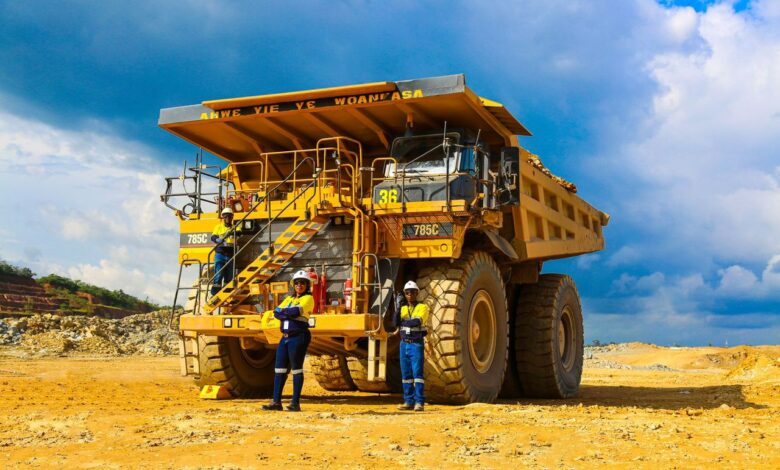
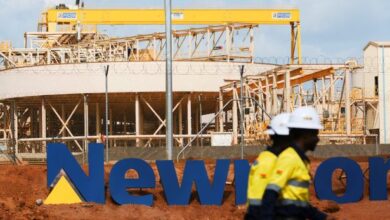
Transparency in Ghana’s extractive sector is increasingly shifting from a compliance requirement to a strategic business tool, with Newmont’s business in Ghana emerging as a leading example of how disclosure can shape investor confidence, policy direction and public trust.
At a time when governments across resource-rich economies are under pressure to demonstrate accountability in revenue mobilisation, Newmont’s detailed reporting of its GH₵12.8 billion fiscal contribution in 2025 signals more than corporate openness. It reflects a deliberate positioning as a transparent and accountable partner in Ghana’s development agenda.
Beyond simply publishing headline figures, the company’s breakdown of payments across corporate income tax, royalties and other statutory obligations provides a clearer picture of how mining revenues flow into the national economy. This level of detail is critical in a sector often criticised for opacity and complex financial structures that can obscure the true scale of contributions.
For policymakers, such disclosure offers a valuable benchmark. It allows government agencies, particularly the Ghana Revenue Authority and the Ministry of Finance, to better track revenue streams, assess compliance and strengthen fiscal planning. In an environment where domestic revenue mobilisation remains central to economic stability, transparent reporting from major taxpayers enhances the credibility of the broader tax system.
The implications extend beyond government. Investors, both local and international, increasingly view transparency as a proxy for governance quality and long-term viability. By openly communicating its financial and operational footprint, Newmont reduces information asymmetry, making it easier for stakeholders to assess risk and performance. This, in turn, supports Ghana’s attractiveness as a mining investment destination within a competitive global landscape.
Transparency also plays a stabilising role in community relations. In mining regions where questions around resource benefits and local development often arise, clear disclosure helps bridge the trust gap between companies and host communities. When stakeholders understand the scale and structure of contributions, it strengthens the social licence to operate and reduces the risk of conflict.
Ghana has made notable progress in promoting extractive sector transparency, particularly through frameworks such as the Extractive Industries Transparency Initiative (EITI), of which the country is a member. Complementing this is the work of Publish What You Pay, a worldwide movement advocating for open and accountable extractive industries and ensuring that revenues from oil, gas and mining are used to drive development.
Within this broader transparency ecosystem, Newmont’s detailed disclosure of its payments to government aligns closely with the principles championed by both EITI and Publish What You Pay. By clearly reporting what it pays, the company contributes to a system that enables citizens, civil society organisations and policymakers to track resource revenues, scrutinise their use and demand accountability. This reinforces the link between extractive wealth and national development outcomes, which sits at the core of both frameworks.
However, the effectiveness of such frameworks depends heavily on the quality and consistency of company-level reporting. In this regard, Newmont’s approach aligns with global best practices, reinforcing the country’s standing as a relatively transparent mining jurisdiction.
Yet, the broader challenge lies in ensuring that transparency translates into tangible outcomes. Disclosure alone does not guarantee efficient use of revenues or equitable distribution of benefits. It must be complemented by strong public financial management, effective oversight institutions and clear development priorities.
For Newmont, the emphasis on transparency appears to be part of a wider strategy to anchor its operations within Ghana’s policy and development framework. By proactively disclosing its contributions, the company positions itself not just as a taxpayer, but as a partner in economic governance.
As Ghana continues to navigate fiscal pressures and pursue long-term economic transformation, the role of transparent, large-scale operators becomes increasingly significant. In that context, Newmont’s disclosure leadership offers a model for how extractive companies can move beyond compliance to influence the broader conversation on accountability, investment and sustainable development.
Ultimately, transparency in the mining sector is no longer just about meeting regulatory expectations. It is about shaping trust, informing policy and reinforcing the link between natural resources and national development.