Newmont’s GH₵1.63bn Royalty Payment Rekindles Debate on Ghana’s Resource Governance and Dev Impact
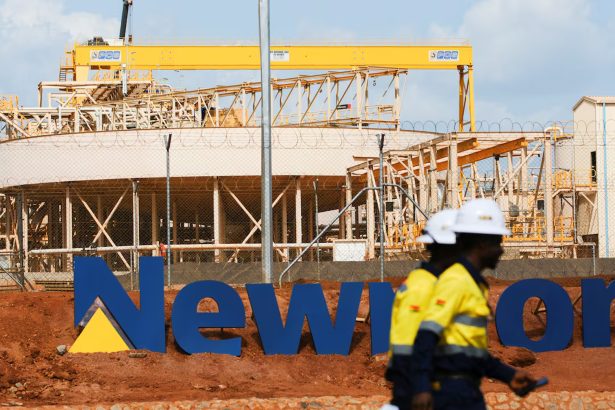
Ghana’s ability to translate natural resource wealth into broad-based development is once again in focus, as royalty payments from Newmont Corporation place in proper perspective both the strength and complexity of the country’s resource governance framework.
In 2025, Newmont contributed approximately GH₵1.63 billion in mineral royalties to the state, forming a critical component of its record GH₵12.8 billion total fiscal payments. Unlike corporate taxes, which are tied to profitability, royalties are production-based, making them one of the most stable and predictable revenue streams within Ghana’s extractive sector.

Stable Revenues, Strategic Importance
Royalty payments are typically calculated as a percentage of gross mineral output, ensuring that government earns revenue regardless of cost structures or profit margins. This makes them a vital anchor for public finances, particularly during periods of price volatility or rising operational costs.
For policymakers, this stability provides a reliable funding stream for national development priorities. However, it also raises important questions about how effectively these revenues are managed and distributed across the economy.
Governance and Allocation Pressures
Under Ghana’s fiscal framework, mineral royalties are channelled through central government accounts and distributed to key institutions, including local authorities and development funds in mining communities.
The scale of Newmont’s royalty contribution places renewed attention on the efficiency and transparency of these allocation mechanisms. Analysts note that while Ghana has established structures for managing resource revenues, gaps remain in ensuring that funds translate into visible development outcomes at the community level.
The debate is not just about how much is paid—but how well it is used.
Balancing National and Local Interests
A recurring policy challenge lies in balancing national revenue needs with the expectations of host communities. While royalties contribute to the national budget, mining communities often demand a more direct share of the benefits, particularly in infrastructure, health and education.
This tension underscores the importance of strong governance systems that can align fiscal flows with development priorities, ensuring that resource wealth supports inclusive growth.
Transparency as a Policy Lever
Newmont’s detailed disclosure of its royalty payments adds to a growing push for transparency within the extractive sector. Clear reporting helps strengthen public accountability and provides a benchmark for assessing the performance of revenue management systems.
Such disclosures are increasingly important as investors and development partners place greater emphasis on governance standards in resource-rich economies.
Looking Ahead
As Ghana deepens efforts to mobilise domestic revenue, royalties are expected to remain a cornerstone of its extractive fiscal regime. The challenge will be to move beyond collection toward optimisation, ensuring that stable inflows are matched by efficient allocation and measurable development impact.
Newmont’s 2025 payments offer a clear signal: Ghana’s resource wealth continues to generate significant fiscal value. The next step is ensuring that this value is fully captured, transparently managed and strategically deployed to support long-term economic transformation.