Africans Still Struggling Despite Modest Economic Recovery, Afrobarometer Finds
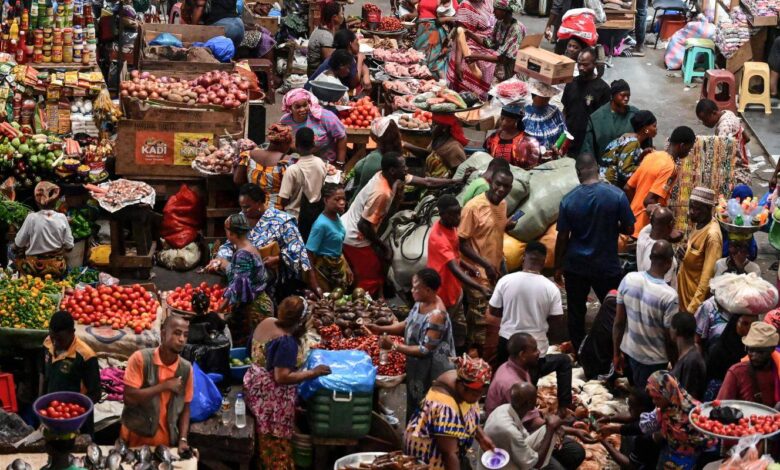
Economic conditions across Africa may be showing signs of improvement from the worst years of the COVID-19 crisis, but a new continent-wide survey suggests that millions of Africans continue to grapple with high living costs, unemployment and shortages of basic necessities.
According to the latest Afrobarometer Pan-Africa Profile, large majorities of Africans remain dissatisfied with their governments’ handling of key economic issues, even as perceptions of economic conditions have improved modestly in recent years.
The report, based on interviews with 50,961 citizens across 38 African countries conducted in 2024 and 2025, found that 82% of respondents believe their governments are performing poorly in keeping prices stable, while 79% say authorities are failing to reduce inequalities between rich and poor.
Similarly, 76% rate their governments badly on job creation, 73% say governments are doing poorly in improving the living standards of the poor, and 64% express dissatisfaction with the overall management of the economy.
The findings come at a time when many African economies are battling inflationary pressures, debt burdens, currency volatility and slow job creation despite signs of macroeconomic stabilisation in several countries.
Cost of Living and Unemployment Dominate Public Concerns
The survey shows that economic issues remain at the centre of citizens’ concerns across the continent.
Unemployment emerged as the second most important issue Africans want their governments to address, cited by 33% of respondents among their top three priorities, behind only health care, which was mentioned by 38%.
The rising cost of living ranked joint-third among citizens’ concerns, cited by 23% of respondents, reflecting persistent pressures on household incomes despite easing inflation in some countries.
Poverty, management of the economy and wage levels also featured prominently among issues requiring urgent government attention.
Living Conditions Remain Difficult
While economic indicators may be improving in some countries, many Africans say they have yet to feel the benefits.
Six in ten respondents described their country’s economic condition as “fairly bad” or “very bad,” while nearly half said their own living conditions were poor.
The survey found that 59% of Africans view their national economies negatively, while 49% report that their personal living circumstances remain difficult.
Although this represents an improvement from the immediate post-pandemic years, Afrobarometer noted that economic perceptions remain worse than they were a decade ago.
Across 28 countries surveyed consistently since 2014, the proportion of respondents describing their national economy as bad has declined by seven percentage points compared with the 2021–2023 survey period. However, it remains six percentage points higher than levels recorded ten years ago.
Widespread Deprivation Persists
Perhaps the most striking finding of the report is the extent of material deprivation across the continent.
Majorities of respondents reported going without basic necessities at least once during the previous year.
Nearly eight in ten Africans (79%) said they or a family member had gone without a cash income, while 65% experienced shortages in access to medical care.
Food insecurity also remains a major challenge, with 58% reporting that they went without enough food. Similarly, 57% lacked access to clean water at some point during the year, while 52% experienced shortages of cooking fuel.
The findings highlight the continued vulnerability of households despite signs of economic recovery in many countries.
Signs of Recovery, But Challenges Remain
Despite the overwhelmingly negative assessments, the report identified a modest improvement in public perceptions compared with the height of the COVID-19 economic downturn.
Tracking trends across 28 countries since 2014, Afrobarometer found evidence of a gradual recovery in citizens’ evaluations of government performance on economic management, job creation, poverty reduction, price stability and inequality.
However, the report suggests that governments still face a substantial credibility gap as many citizens continue to struggle with the practical realities of daily life.
The findings underscore the challenge facing policymakers across Africa: translating macroeconomic improvements into tangible benefits that improve living standards, create jobs and reduce the cost of living for ordinary citizens.
For many Africans, the survey suggests, economic recovery remains more visible in statistics than in their daily experiences.