
Ecobank Ghana Grows Profit by 28% as Lending and Capital Strengthen
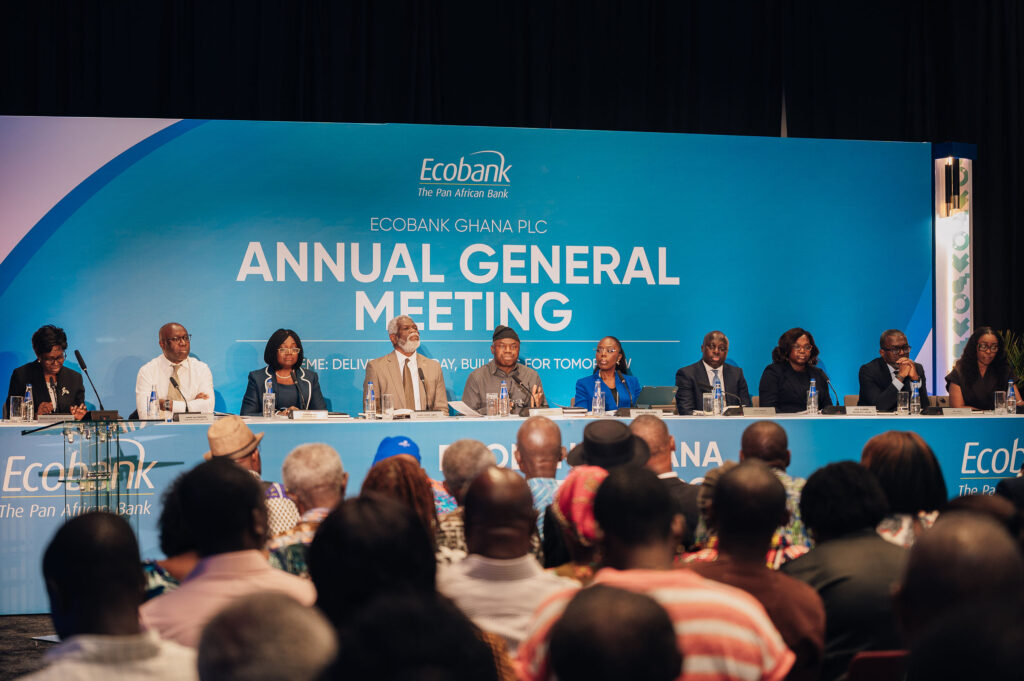
Ecobank Ghana Plc strengthened its position within Ghana’s banking industry in 2025, posting a 28 percent increase in profit before tax as stronger economic conditions, rising credit demand and continued investment in digital banking supported performance.
The bank recorded profit before tax of GH¢3.0 billion, up from GH¢2.4 billion in 2024, while revenue rose to GH¢5.2 billion. The performance placed Ecobank among the industry’s leading performers, ranking second by both revenue and profit before tax.
The results reflect a banking sector that is gradually benefiting from Ghana’s improving macroeconomic environment after a period of economic adjustment. Falling inflation, increased business activity and improving investor confidence have begun creating conditions that support lending, investment and financial sector growth.
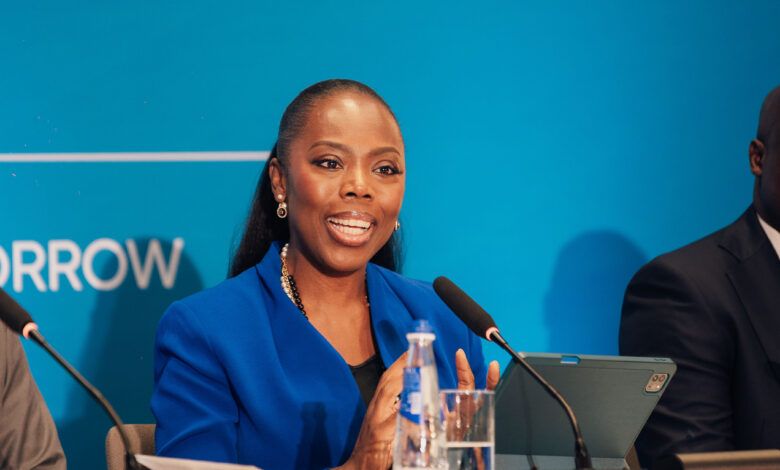
Managing Director of Ecobank Ghana, Mrs. Abena Osei-Poku, attributed the performance to strong operational discipline, prudent cost management and the bank’s ability to navigate a changing regulatory and economic environment.
The bank’s loan portfolio expanded significantly during the year, with loans and advances increasing by 24 percent from GH¢10 billion to GH¢13 billion. Total assets grew to GH¢47 billion, while shareholders’ funds rose by 33 percent to GH¢7.2 billion, reflecting a stronger capital base to support future business expansion.
Despite a marginal decline in customer deposits to GH¢31 billion, the bank maintained that the movement reflected deliberate balance sheet optimisation rather than underlying funding pressures.
A key highlight of the year was the bank’s strong capital position. Ecobank closed 2025 with a Capital Adequacy Ratio of 21.23 percent without regulatory reliefs, comfortably above the minimum regulatory requirement.
Mrs. Osei-Poku said the capital strength positions the bank to support growing opportunities within the economy while maintaining resilience against potential shocks.
While profitability and balance sheet growth improved, asset quality remains a priority across the banking industry. Ecobank’s Non-Performing Loan ratio stood at 17.92 percent at the end of 2025, highlighting the lingering impact of credit stress experienced by some businesses during recent economic challenges.
According to Mrs. Osei-Poku, the bank has intensified loan recovery efforts and strengthened credit monitoring systems, with a target of reducing the NPL ratio below 10 percent by the end of 2026.
Digital banking continued to play an increasingly important role in the bank’s growth strategy. Transaction volumes across mobile and online banking platforms recorded strong growth as customers increasingly embraced digital channels for everyday banking services.
Mrs. Osei-Poku noted that further investment in technology and digital infrastructure will remain a major focus in 2026 as the bank seeks to enhance customer experience, improve operational efficiency and strengthen service delivery.
Beyond financial performance, the bank also expanded financial literacy initiatives and broadened access to banking services in underserved communities as part of efforts to deepen financial inclusion.
Looking ahead, Ecobank expects Ghana’s improving economic fundamentals to provide opportunities for further growth. However, Mrs. Osei-Poku cautioned that risks remain, including commodity price volatility, asset quality pressures, climate-related financial risks and uncertainties arising from global geopolitical developments and changing monetary policy conditions.
As economic activity continues to strengthen, banks are expected to play a central role in financing business expansion, supporting private sector growth and facilitating broader economic recovery. Ecobank’s 2025 performance reflects how stronger fundamentals, capital resilience and disciplined execution are helping position financial institutions for the next phase of growth.